
By PPH Foundation
Postpartum haemorrhage remains the leading direct cause of maternal death globally, yet one of the greatest challenges in managing the condition is that women often deteriorate before the danger is recognized. Increasingly, researchers are exploring how wearable technologies and artificial intelligence can help identify early signs of haemorrhage by continuously monitoring a mother's vital signs and alerting healthcare workers before severe complications develop. Recent studies have shown that changes in physiological indicators such as the Shock Index, a measure calculated by dividing heart rate by systolic blood pressure, can signal significant blood loss earlier than traditional clinical observations (Nathan et al., 2015; El Ayadi et al., 2019).
The growing interest in AI-enabled monitoring stems from the fact that visual estimation of blood loss is often inaccurate. Research has demonstrated that healthcare workers frequently underestimate postpartum blood loss, delaying recognition and treatment of haemorrhage (Diaz et al., 2018). Continuous monitoring systems that combine wearable sensors with artificial intelligence algorithms offer the potential to detect subtle physiological changes in real time and trigger alerts when intervention may be needed.
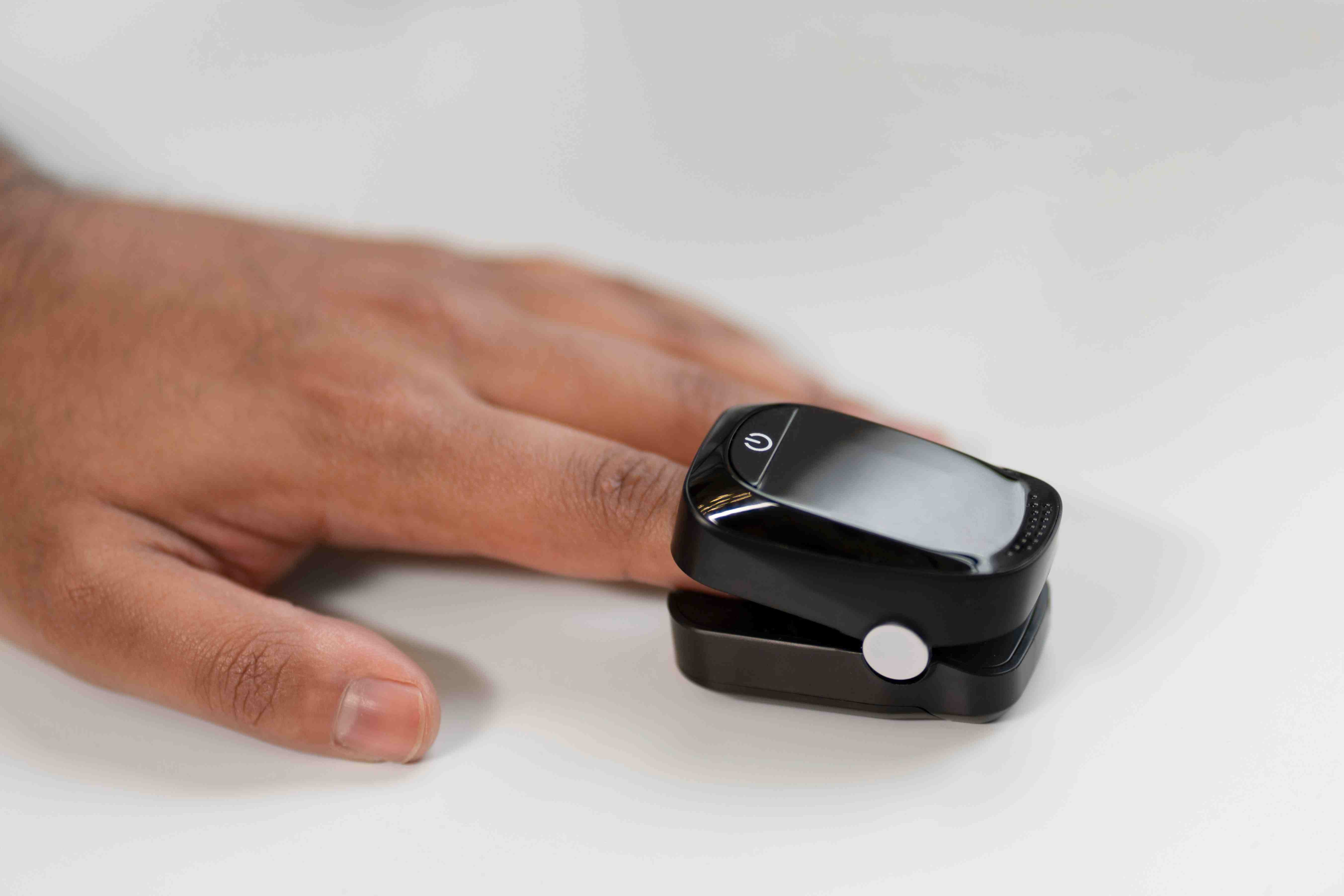
Wearable devices designed for maternal health can continuously track heart rate, blood pressure, oxygen saturation, respiratory rate, and body temperature. When integrated with AI-powered analytical systems, these devices can identify patterns associated with haemodynamic instability long before obvious clinical symptoms emerge. Researchers have increasingly focused on the Shock Index as an early warning indicator because it often rises before blood pressure begins to fall, providing an earlier signal that a woman may be developing significant blood loss (Nathan et al., 2015).
Several innovations are already demonstrating the potential of this approach. Studies conducted in maternity settings have found that AI-assisted monitoring systems can improve early identification of women at risk of severe postpartum haemorrhage and support faster clinical decision-making (El Ayadi et al., 2019). Emerging digital platforms are also combining wearable technologies with mobile applications that allow healthcare workers to receive alerts, monitor trends remotely, and coordinate timely responses.
Prof Moses Obimbo, Project Lead of the End Postpartum Haemorrhage Initiative, believes that such innovations could significantly strengthen maternal healthcare systems, particularly in settings where healthcare workers are often responsible for monitoring large numbers of patients.
"One of the challenges in postpartum haemorrhage management is recognizing deterioration early enough to intervene before a woman's condition becomes critical. Technologies that continuously monitor vital signs and provide timely alerts can complement clinical judgement and strengthen patient safety. While technology will never replace skilled healthcare workers, it can provide an additional layer of vigilance that helps save lives," says Prof Obimbo.
The potential benefits may be particularly significant in resource-constrained environments where staffing shortages can make continuous patient observation difficult. AI-supported monitoring systems can help prioritize attention towards patients showing signs of deterioration, allowing healthcare workers to intervene more rapidly. Some experts also see opportunities for integrating these technologies into referral systems, enabling frontline facilities to identify high-risk patients earlier and escalate care appropriately.
However, challenges remain. Cost, infrastructure requirements, data privacy concerns, and the need for validation across diverse healthcare settings must all be addressed before widespread adoption can occur. Researchers caution that AI systems should support, rather than replace, clinical decision-making and must be carefully evaluated to ensure accuracy and safety.
Despite these challenges, the future of postpartum haemorrhage care may increasingly involve intelligent monitoring systems that provide real-time insights into maternal health. As digital health technologies continue to evolve, AI and wearable sensors could become valuable tools in helping healthcare workers identify danger earlier, respond faster, and ultimately prevent avoidable maternal deaths from postpartum haemorrhage.
Sources
- Nathan HL, Cottam K, Hezelgrave NL, Seed PT, Briley A, Bewley S, Shennan AH. Determination of Normal Ranges of Shock Index and Other Haemodynamic Variables in the Immediate Postpartum Period: A Cohort Study. PLoS One. 2015;10(12):e0146409.
- El Ayadi AM, Nathan HL, Seed PT, Butrick E, Miller S, Brizuela V, et al. Vital Sign Prediction of Adverse Maternal Outcomes in Women with Hypovolemic Shock: The Role of Shock Index. PLoS One. 2019;14(2):e0211820.
- Diaz V, Abalos E, Carroli G. Methods for Measuring Blood Loss During Childbirth and Their Effect on Maternal Outcomes. Cochrane Database of Systematic Reviews. 2018;9:CD010980.
- World Health Organization. WHO Recommendations on Prevention and Treatment of Postpartum Haemorrhage and Maternal Monitoring. Geneva: WHO; 2023.
- Image by freepik</a>