By PPH Foundation
Climate change is increasingly being recognized as a major driver of malaria transmission, with direct consequences for maternal health, postpartum haemorrhage (PPH), and newborn survival. Rising temperatures, changing rainfall patterns, flooding, and prolonged humidity are expanding mosquito breeding habitats and increasing malaria exposure among pregnant women, particularly across sub-Saharan Africa where the burden of maternal mortality remains high.
Recent evidence shows that climate variability is reshaping malaria transmission patterns, exposing more women to infection during pregnancy and worsening complications linked to maternal anaemia, placental malaria, preterm birth, stillbirth, and low birth weight. These conditions are also strongly associated with increased risk of postpartum haemorrhage and poor maternal outcomes during childbirth.
According to the World Health Organization, malaria during pregnancy remains a major public health concern, especially in Africa, where approximately 35 million pregnancies are exposed to malaria infection annually. WHO further notes that malaria in pregnancy contributes significantly to maternal anaemia, which weakens the body’s ability to survive severe bleeding during childbirth.
A 2025 systematic review published in Tropical Diseases, Travel Medicine and Vaccines confirmed that malaria in pregnancy significantly increases risks of maternal anaemia, placental complications, neonatal mortality, and adverse birth outcomes. Another 2025 review in the Journal of Current Health Sciences similarly found strong associations between malaria infection, severe maternal anaemia, and pregnancy complications linked to increased obstetric risk.
Scientists also warn that climate change could substantially increase malaria transmission zones across Africa in coming decades, placing further pressure on maternal health systems already struggling with shortages in blood access, emergency obstetric care, and healthcare workforce capacity.
Prof Julius Ogeng’o, a Co-Lead at the End PPH Initiative, says climate-related malaria risks must now be considered part of maternal health planning and postpartum haemorrhage prevention strategies.
“Climate change is no longer only an environmental issue. It is directly increasing malaria exposure among pregnant women, contributing to anaemia and raising the risk of postpartum haemorrhage during childbirth. Protecting mothers now requires stronger integration of malaria prevention, climate adaptation, and maternal healthcare systems,” he says.
Maternal health experts continue to emphasize the importance of early antenatal care, insecticide-treated mosquito nets, preventive malaria treatment during pregnancy, nutrition support, timely diagnosis, and rapid treatment to reduce maternal complications linked to malaria infection.
As climate change continues to reshape disease patterns globally, experts warn that protecting pregnant women from malaria must remain central to efforts aimed at reducing postpartum haemorrhage, strengthening maternal survival, and improving newborn health outcomes.
Sources
- World Health Organization. World Malaria Report 2024. Geneva: WHO; 2024. (who.int)
- Minwuyelet A et al. Current Update on Malaria in Pregnancy: Systematic Review. Tropical Diseases, Travel Medicine and Vaccines. 2025.
- Ahmar H et al. Malaria in Pregnancy: Systematic Review of Maternal and Fetal Outcomes. Journal of Current Health Sciences. 2025.
- Caminade C et al. Impact of Climate Change on Global Malaria Distribution. Proceedings of the National Academy of Sciences. 2024.
- Wiemers P et al. Climate Change and Vector-Borne Diseases in Pregnancy. Seminars in Immunopathology. 2025.
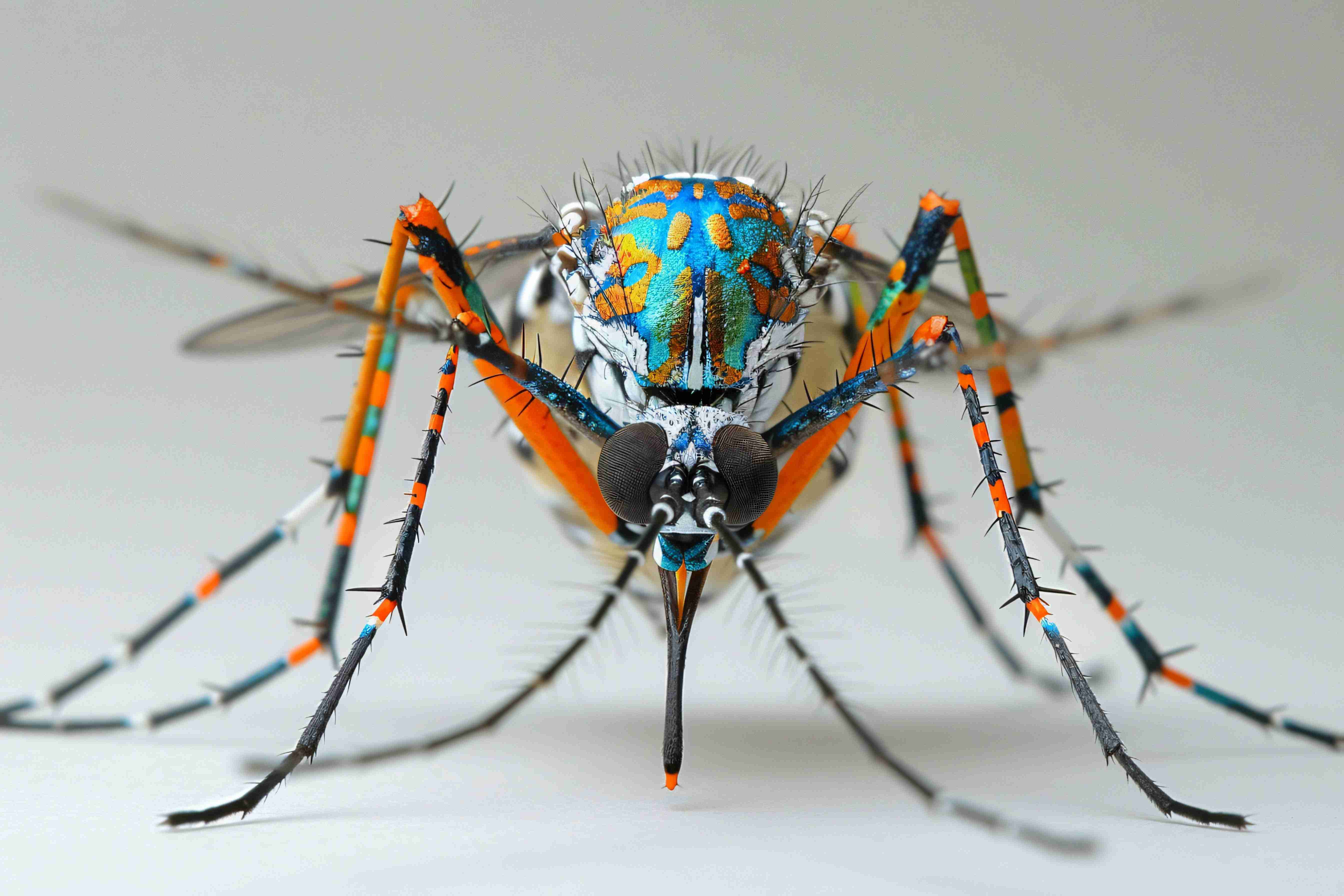
- Image by Freepik