By PPH Foundation
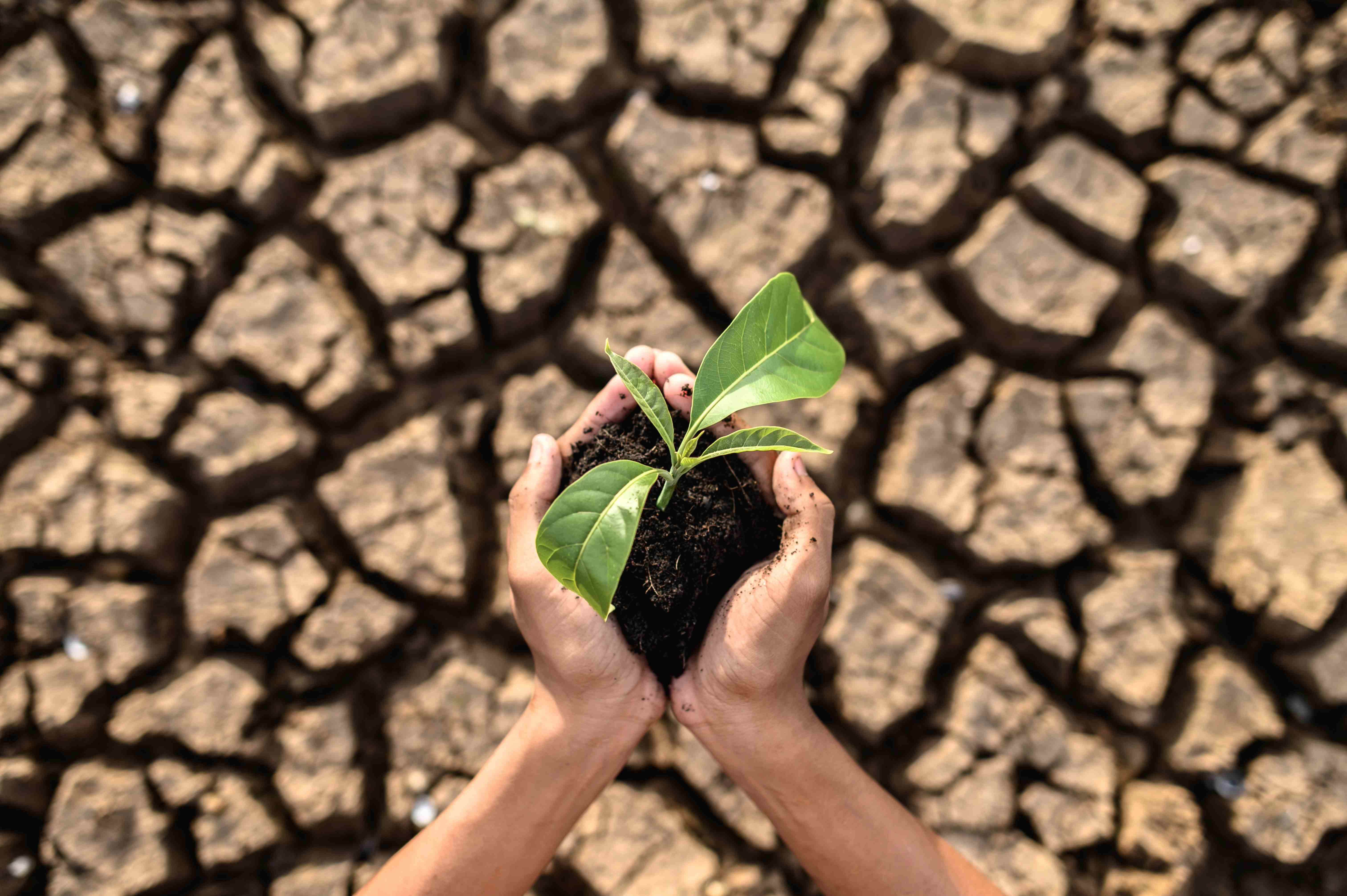
Drought is increasingly emerging as a maternal health issue. Beyond its effects on agriculture and livelihoods, prolonged drought can contribute to food insecurity, maternal undernutrition, and anaemia, factors that increase the risks associated with postpartum haemorrhage, the leading direct cause of maternal death worldwide.
According to the United Nations Convention to Combat Desertification, droughts are becoming more frequent and severe due to climate change, affecting food production, water availability, and household resilience worldwide. In many low- and middle-income countries, prolonged drought contributes to food insecurity, reduced dietary diversity, and malnutrition among vulnerable populations, including pregnant women.
Research has consistently shown that maternal nutrition plays a critical role in pregnancy outcomes. The World Health Organization estimates that approximately 37 percent of pregnant women globally are affected by anaemia, with iron deficiency remaining the leading cause (WHO, 2024). Anaemia reduces the body's ability to tolerate blood loss and is recognized as a major risk factor for severe outcomes when postpartum haemorrhage occurs.
Drought can worsen this challenge by limiting access to iron-rich foods, fruits, vegetables, and other essential nutrients required during pregnancy. A review published by Phalkey et al. in Global Health Action (2015) found that climate-related food insecurity is associated with increased maternal undernutrition and adverse pregnancy outcomes. Similarly, a study by Cooper et al. published in The Lancet Planetary Health (2019) highlighted the growing threat that climate change poses to maternal and child nutrition through disruptions in food systems.
For pregnant women already living in resource-constrained settings, drought can create a dangerous cycle. Reduced food availability increases the risk of malnutrition and anaemia, while weakened nutritional status increases vulnerability to complications during childbirth. If postpartum haemorrhage occurs, women with low haemoglobin levels often have less physiological reserve to survive severe blood loss.
Prof Julius Ogeng'o, Co-Lead of the End Postpartum Haemorrhage Initiative, says climate-related food insecurity should be recognized as an emerging maternal health concern.
"When we discuss postpartum haemorrhage, we often focus on what happens during childbirth. However, many of the factors that determine whether a woman survives begin much earlier. Drought affects food availability, nutrition, and maternal health long before delivery. A woman who enters labour with anaemia resulting from poor nutrition is significantly more vulnerable if postpartum haemorrhage occurs. Addressing food insecurity is therefore an important component of preventing maternal deaths."
Experts emphasize that climate adaptation and maternal health interventions should increasingly be viewed as interconnected priorities. Investments in drought-resilient agriculture, nutrition programmes, maternal supplementation, social protection measures, and strengthened health systems can help reduce the indirect effects of climate change on maternal survival.
The World Day to Combat Desertification and Drought serves as a reminder that environmental challenges can have far-reaching consequences for health. As countries work to reduce maternal mortality, addressing the links between drought, nutrition, anaemia, and postpartum haemorrhage will be essential in protecting mothers and building more resilient communities.
Sources
- United Nations Convention to Combat Desertification. World Day to Combat Desertification and Drought 2026 Campaign Materials. Bonn: UNCCD; 2026.
- World Health Organization. Anaemia in Women and Children: Global Health Estimates. Geneva: WHO; 2024.
- Phalkey RK, Aranda-Jan C, Marx S, Höfle B, Sauerborn R. Systematic Review of Current Efforts to Quantify the Impacts of Climate Change on Undernutrition. Global Health Action. 2015;8:25827.
- Cooper MW, Brown ME, Hochrainer-Stigler S, et al. Mapping the Effects of Drought on Child Stunting. The Lancet Planetary Health. 2019;3(1):e24–e33.
- Image by jcomp on Magnific</a>