By PPH Foundation
World Hand Hygiene Day, May 5th
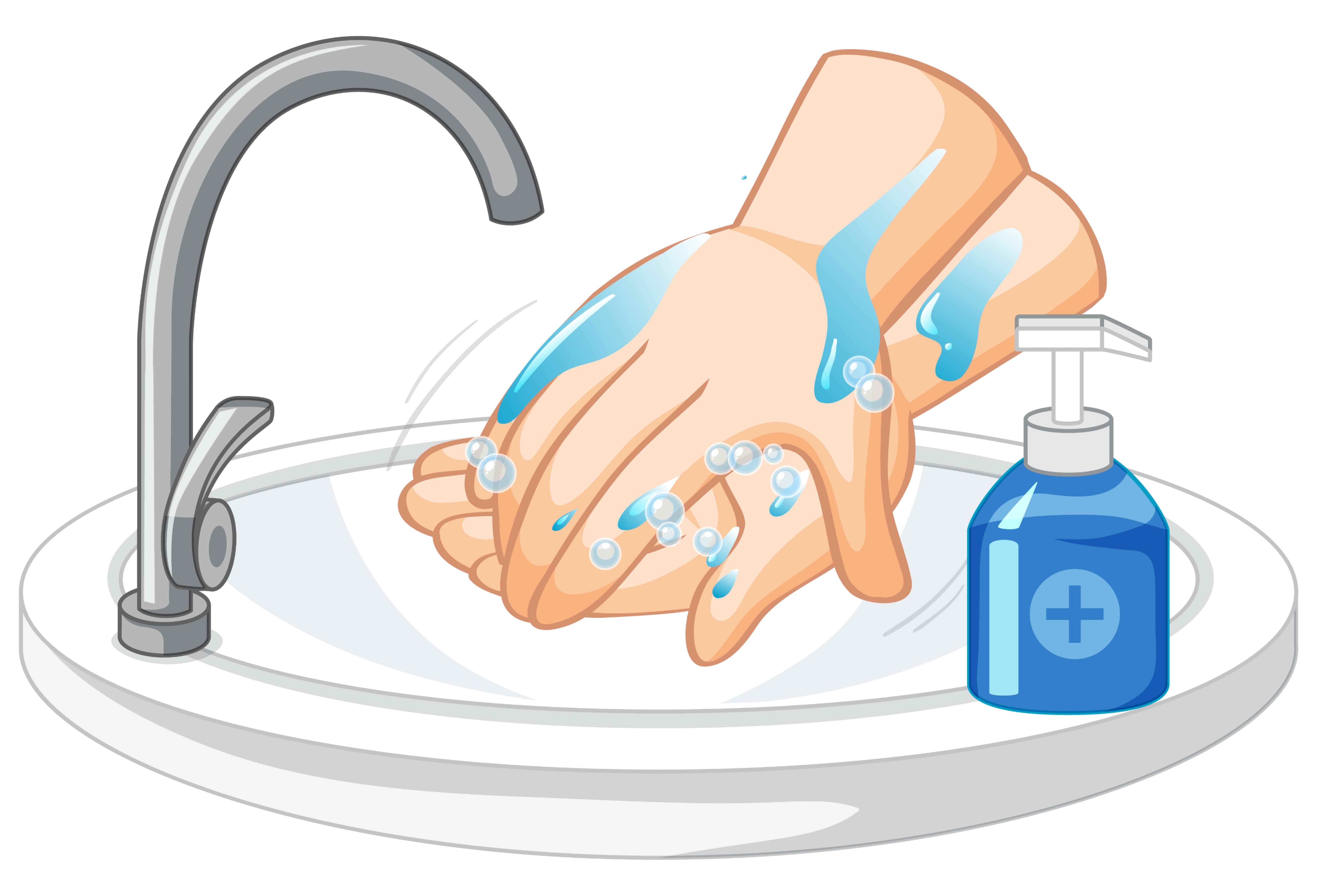
On World Hand Hygiene Day, global attention turns to one of the simplest yet most powerful tools in healthcare, clean hands. In maternity care, however, hand hygiene is more than a routine practice. It is a critical intervention in preventing infections that can directly increase the risk of postpartum haemorrhage, PPH, a leading cause of maternal death.
The connection lies in infection. Poor hand hygiene during labour and delivery increases the risk of maternal sepsis, which can interfere with uterine contraction and blood clotting, both essential in preventing excessive bleeding after childbirth. Infections weaken the body’s ability to respond to blood loss, making PPH more severe and harder to manage.
According to UNICEF and the World Health Organization, hand hygiene is one of the most cost-effective interventions to prevent healthcare-associated infections. Their joint report, State of the World’s Hand Hygiene, reveals that one in three health-care facilities globally lack adequate hand hygiene services at points of care, exposing millions of women to preventable risks during childbirth.
In Kenya and other low-resource settings, these gaps are even more pronounced. Limited access to clean water, soap, and sanitation infrastructure continues to compromise safe delivery environments, particularly in rural and high-burden facilities.
Dr Laura Oyiengo, Health Specialist, Maternal and Newborn Health at UNICEF Kenya and also a member of the Global Steering Committee at End PPH Initiative, has emphasized the importance of strengthening systems to protect mothers and newborns through quality care. She notes that improving maternal outcomes requires not only skilled health workers, but also safe environments that reduce preventable complications and support timely, effective care.
This aligns with global evidence showing that improving water, sanitation, and hygiene, WASH, in health facilities can significantly reduce maternal and newborn infections. UNICEF estimates that inadequate WASH contributes to a substantial burden of preventable illness and death, reinforcing the need for investment in basic infrastructure as part of quality maternal care.
For PPH, the implications are clear. Prevention does not begin at the point of bleeding, it begins much earlier, with infection control, clean delivery practices, and adherence to basic hygiene protocols. Ensuring that every birth takes place in a clean, safe environment is a fundamental step in reducing complications that can escalate into life-threatening haemorrhage.
The solution is both simple and urgent. Governments and partners must prioritize WASH investments in health facilities, ensure consistent supply of water and hygiene materials, and strengthen accountability for infection prevention practices. At the same time, health workers must be supported through training and supervision to maintain high standards of care.
As the world marks World Hand Hygiene Day, the message is clear. Preventing postpartum haemorrhage is not only about emergency response, it is about getting the basics right. Because sometimes, saving a mother’s life begins with clean hands.
Sources
World Health Organization, United Nations Children’s Fund (UNICEF). State of the World’s Hand Hygiene, A Global Call to Action to Make Hand Hygiene a Priority in Policy and Practice. Geneva, WHO, 2021.
United Nations Children’s Fund (UNICEF). Hand Hygiene for All Initiative, Improving Access and Behaviour Change in Hygiene Practices. New York, UNICEF, 2022.
United Nations Children’s Fund (UNICEF). Water, Sanitation and Hygiene (WASH) in Health Care Facilities, Global Baseline Report. New York, UNICEF, 2019.
Image by brgfx on Magnific</a>