By PPH Foundation
The impact of rising food prices is increasingly being felt far beyond household budgets. For many pregnant women, especially in low- and middle-income countries, higher food costs can mean reduced access to nutritious diets at a time when adequate nutrition is essential for a healthy pregnancy and safe delivery. Maternal health experts are warning that worsening food insecurity may indirectly increase the risk of postpartum haemorrhage by contributing to maternal anaemia and poor nutritional status during pregnancy.
Across many countries, households continue to grapple with the rising cost of living driven by increased fuel prices, taxation, economic pressures, currency fluctuations, and supply chain challenges. As food prices rise, families are often forced to make difficult choices about what they can afford to eat. Unfortunately, nutrient-rich foods such as meat, fish, eggs, fruits, vegetables, and fortified foods are often among the first items to be reduced or eliminated from household diets.
Research consistently shows that maternal undernutrition and iron deficiency anaemia remain among the leading contributors to poor maternal health outcomes. According to the World Health Organization, anaemia affects nearly one-third of women of reproductive age globally, with pregnant women in sub-Saharan Africa carrying a disproportionate burden. Women who enter labour with low haemoglobin levels are less able to tolerate blood loss during childbirth, increasing the likelihood of severe complications if postpartum haemorrhage occurs.
Evidence published in The Lancet Global Health and Maternal & Child Nutrition demonstrates that rising food prices are associated with reduced dietary diversity, lower consumption of nutrient-dense foods, and increased risks of maternal undernutrition among vulnerable populations. Researchers note that when food budgets are constrained, households often shift toward cheaper calorie-dense foods while consuming fewer iron-rich and protein-rich foods that are essential during pregnancy.
In many communities, the increasing cost of staple foods, transport, cooking fuel, and healthcare has further strained household resources. Pregnant women may skip meals, reduce portion sizes, or consume less diverse diets in an effort to stretch limited incomes. These nutritional compromises can contribute to anaemia, maternal exhaustion, and other conditions that increase vulnerability during childbirth.
Dr Kireki Omanwa, President of the Kenya Obstetrical and Gynaecological Society and Co-Lead of the End Postpartum Haemorrhage Initiative, says maternal nutrition must remain central to efforts aimed at reducing maternal deaths.
"Food security is a maternal health issue. When pregnant women cannot access adequate nutrition, the effects extend beyond pregnancy and can influence how well they withstand complications such as postpartum haemorrhage. Strengthening maternal nutrition programmes, supporting food security interventions, and ensuring women receive quality antenatal care are essential investments in maternal survival."
He notes that while clinical interventions remain critical in preventing and managing postpartum haemorrhage, countries must also address the economic realities that affect maternal health. This includes improving access to affordable nutritious foods, strengthening social protection programmes, expanding iron and folic acid supplementation, and ensuring women receive nutrition counselling throughout pregnancy.
Experts further emphasize that improving maternal nutrition generates benefits across the entire continuum of care. Better nutrition contributes to healthier pregnancies, reduced anaemia, improved birth outcomes, and greater resilience during childbirth and obstetric emergencies.
As governments seek solutions to rising food costs and economic pressures, maternal health advocates are calling for greater recognition of the link between food affordability and maternal survival. Protecting pregnant women from the nutritional consequences of food inflation may be one of the most important, yet often overlooked, strategies in the fight against postpartum haemorrhage and preventable maternal deaths.
Sources
- World Health Organization. Anaemia in Women and Children: Global Health Estimates. Geneva: WHO; 2024.
- World Health Organization. Trends in Maternal Mortality 2000–2023. Geneva: WHO; 2025.
- Headey D, Alderman H. The Relative Caloric Prices of Healthy and Unhealthy Foods Differ Systematically Across Income Levels and Continents. The Journal of Nutrition. 2019;149(11):2020–2033.
- Green R, Cornelsen L, Dangour AD, et al. The Effect of Rising Food Prices on Food Consumption and Dietary Quality. The Lancet Global Health. 2013;1(5):e259–e267.
- Keats EC, Rappaport AI, Shah S, Oh C, Jain R, Bhutta ZA. The Impact of Food Price and Income Changes on Diet and Nutrition Outcomes. Maternal & Child Nutrition. 2021;17(S1):e13131.
- Young MF, Oaks BM, Tandon S, Martorell R, Dewey KG, Wendt AS. Safety and Benefits of Antenatal Oral Iron Supplementation in Low-Income Countries. British Journal of Haematology. 2017;177(6):884–895.
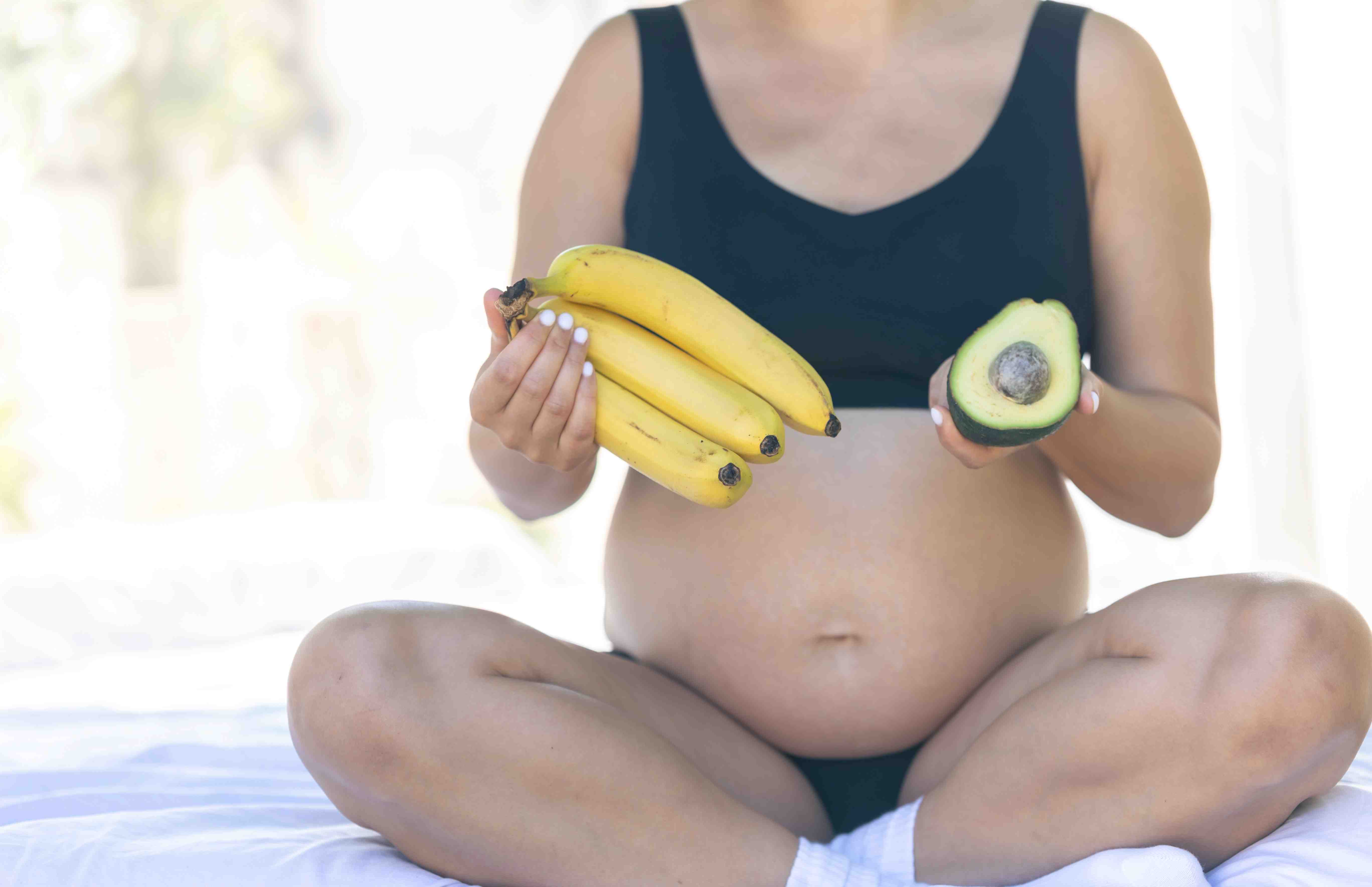
- Image by pvproductions on Magnific</a>