By PPH Foundation
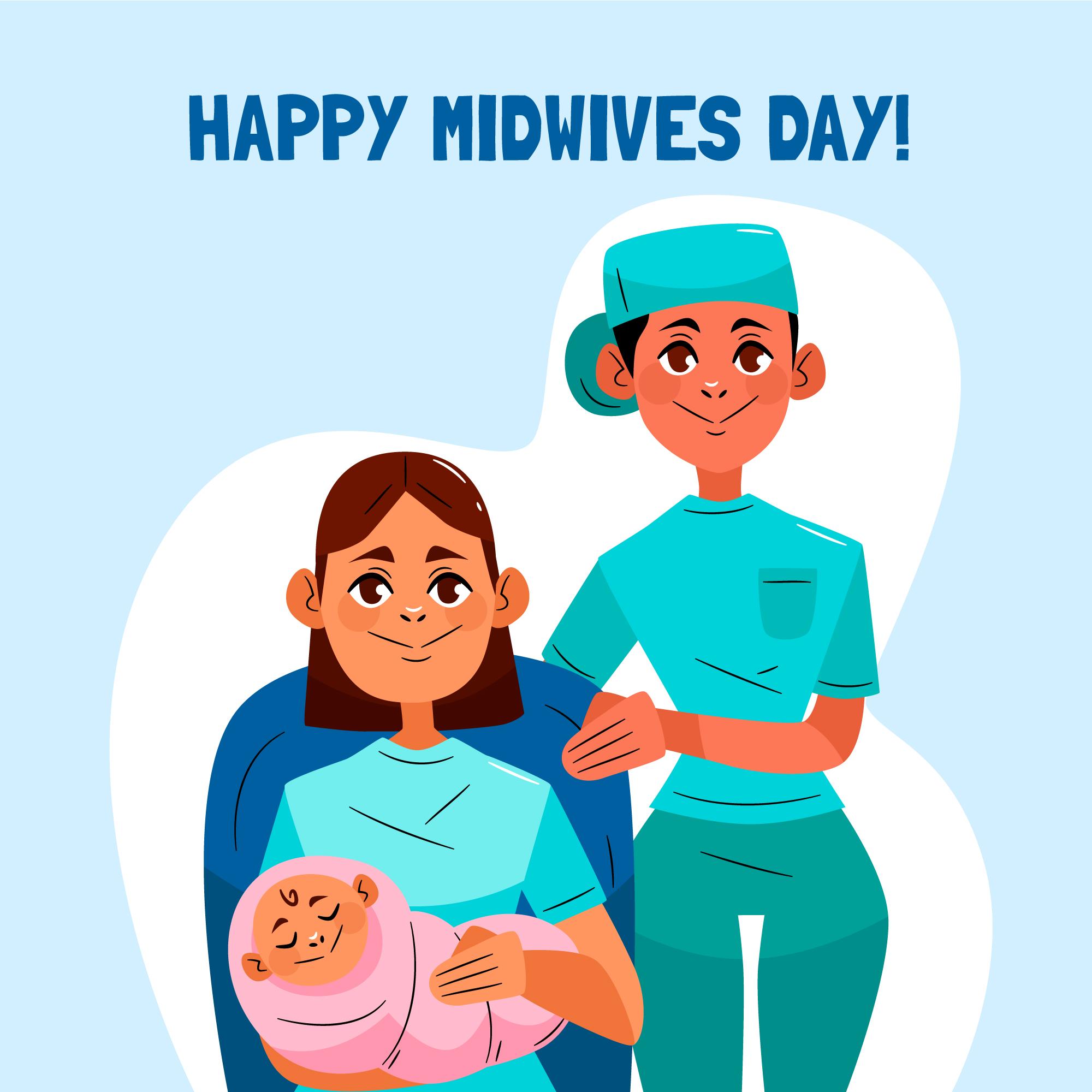
International Day of the Midwife, May 5th
As the world marks International Day of the Midwife, the spotlight turns to one of the most critical yet often under-supported cadres in maternal health, midwives. In the fight against postpartum haemorrhage, PPH, the leading cause of maternal death globally, midwives remain the first line of defense before, during, and after childbirth.
PPH can claim a woman’s life within hours if not managed promptly. This urgency underscores the importance of having skilled providers present at every birth. As highlighted in the One Million More Midwives call by the International Confederation of Midwives, scaling up the midwifery workforce is one of the most effective strategies to reduce preventable maternal deaths.
Midwives play a critical role across the continuum of care. They identify risk factors such as anaemia during antenatal care, ensure safe delivery practices including active management of the third stage of labour, and provide close monitoring in the postpartum period where most haemorrhage-related deaths occur.
In the critical moments when PPH occurs, a trained midwife is often the first responder. With the right skills and tools, they can administer uterotonics, perform uterine massage, initiate fluid resuscitation, and coordinate timely referrals, interventions that are proven to save lives when done promptly.
Dr Eunice Atsali, Vice President of the Midwives Association of Kenya and Co-Lead of the End PPH Initiative, emphasizes the central role of midwives in preventing maternal deaths.
“Midwives are at the frontline of maternal care. When adequately trained, equipped, and supported, they can prevent most cases of postpartum haemorrhage and respond effectively when it occurs. Investing in midwives is investing in saving mothers’ lives,” she says.
Globally, the evidence is clear. The International Confederation of Midwives notes that strengthening midwifery care can avert a significant proportion of maternal and newborn deaths. However, shortages remain a major challenge, particularly in low-resource settings where the burden of PPH is highest.
In Kenya, the Midwives Association of Kenya continues to advocate for increased investment in midwifery education, regulation, and deployment. Without enough skilled providers, even well-equipped facilities cannot deliver timely, quality care.
The solution goes beyond numbers. Midwives must be supported with continuous training, access to essential supplies, and enabling working conditions. A well-supported midwife is better positioned to provide respectful, timely, and lifesaving care.
As the global call for “One Million More Midwives” gains momentum, the message is clear. Ending deaths from postpartum haemorrhage will not be achieved without strengthening the midwifery workforce. Because when seconds matter, it is the midwife who stands between life and loss.
Sources
International Confederation of Midwives. One Million More Midwives, A Global Call to Action to Strengthen the Midwifery Workforce. 2024.
World Health Organization. WHO Recommendations for the Prevention and Treatment of Postpartum Haemorrhage. Geneva, WHO, 2012.
United Nations Population Fund. State of the World’s Midwifery Report. New York, UNFPA, 2021.
PPH Foundation. One Million More Midwives, Ending Postpartum Hemorrhage Starts Here. 2026.
Image by freepik</a>