By PPH Foundation
Recovering from postpartum haemorrhage is about more than stopping the bleeding. For many mothers, the days and weeks that follow are marked by physical exhaustion, anaemia and the demands of breastfeeding a newborn. Good nutrition becomes an essential part of recovery, helping restore lost nutrients, rebuild strength and support adequate breast milk production. For women who have experienced severe blood loss, what they eat after childbirth can influence both their own health and their ability to care for their babies.
The World Health Organization recognises supportive care after postpartum haemorrhage as a critical component of maternal recovery. This includes assessing women for anaemia, providing iron supplementation where indicated and encouraging breastfeeding mothers to consume a healthy, balanced diet rich in iron, protein, fruits, vegetables and other nutrient-dense foods. Women diagnosed with anaemia should receive appropriate treatment alongside continued postnatal follow-up to restore haemoglobin levels and improve recovery (World Health Organization, 2023).
Postpartum haemorrhage often results in substantial blood loss, leaving many mothers with depleted iron stores. Iron is essential for producing haemoglobin, the protein that carries oxygen throughout the body. When iron levels are low, mothers may experience persistent fatigue, dizziness, shortness of breath and difficulty performing everyday activities, including caring for and breastfeeding their newborns. Without appropriate treatment and nutritional support, recovery may be prolonged.
Iron-rich foods should form the foundation of recovery after postpartum haemorrhage. Animal sources such as lean red meat, liver, fish and poultry provide highly absorbable haem iron, while beans, lentils, cowpeas, green leafy vegetables, fortified cereals and traditional vegetables also contribute valuable iron. Combining these foods with vitamin C-rich fruits such as oranges, mangoes, guavas or tomatoes improves iron absorption, while drinking tea or coffee immediately after meals may reduce the body's ability to absorb iron.
Protein is equally important because it supports tissue repair, immune function and overall healing after childbirth. Eggs, milk, yoghurt, fish, chicken, beans, peas, groundnuts and soy products provide the building blocks needed for recovery. Mothers should also remain well hydrated, as adequate fluid intake supports normal body functions and successful breastfeeding.
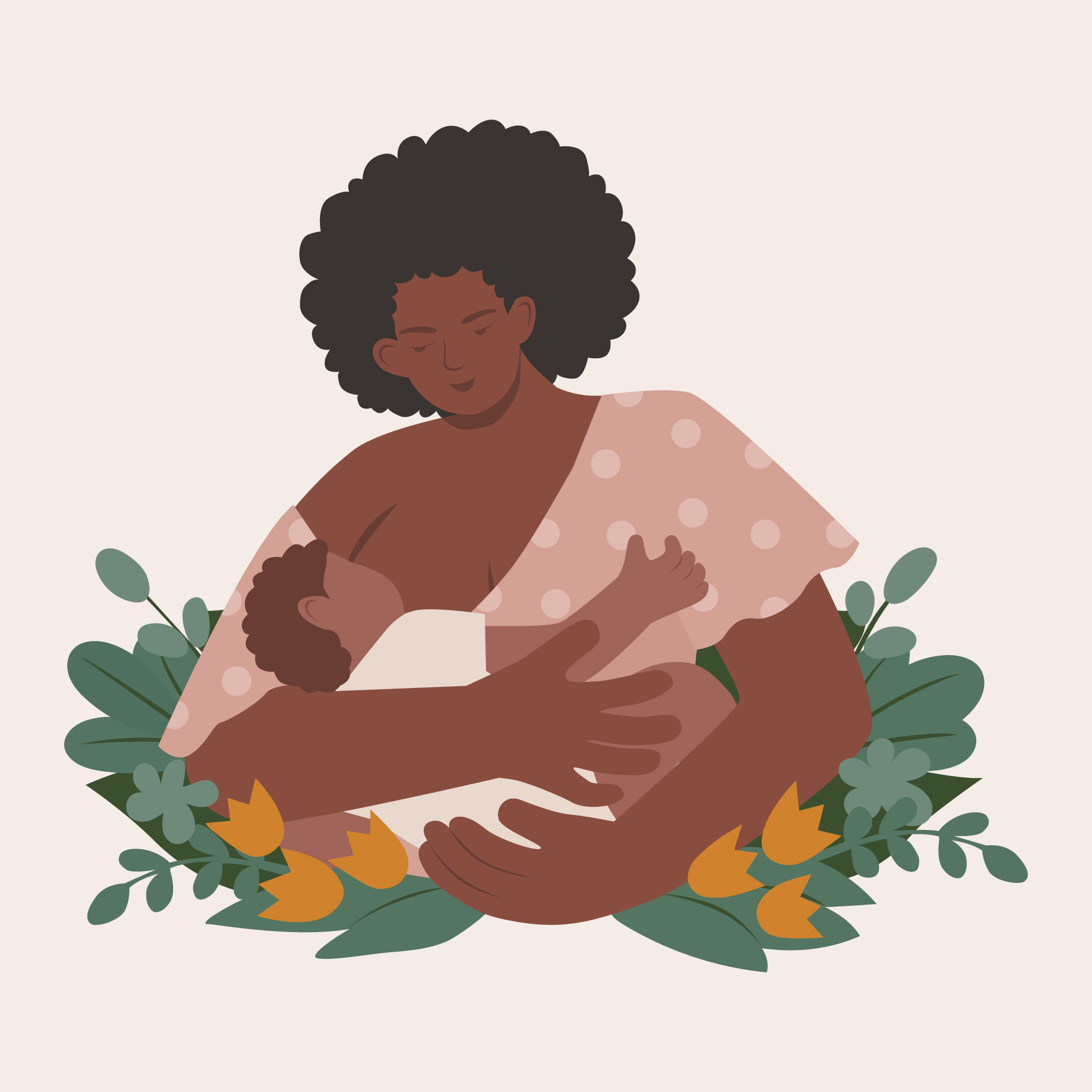
For breastfeeding mothers, nutrition serves two important purposes. It helps replenish nutrients lost during pregnancy and childbirth while providing the energy required for milk production. Although breast milk production is remarkably resilient, mothers recovering from significant blood loss require additional nutritional support to restore their own health and reduce the effects of postpartum anaemia.
Recent evidence from an updated Cochrane Review found that appropriate treatment of postpartum iron-deficiency anaemia improves haemoglobin recovery and reduces the burden of anaemia during the postnatal period, reinforcing the importance of early diagnosis and treatment for women recovering from postpartum haemorrhage (Prick et al., 2024).
Prof Julius Ogeng'o, Co-Lead at EndPPH Initiative, says nutrition should be viewed as an integral part of postpartum haemorrhage management rather than an afterthought.
"After postpartum haemorrhage, the body begins an extraordinary process of repair. Replacing lost blood is only one step. Mothers also need adequate nutrition to restore iron stores, rebuild tissues, recover their strength and support breastfeeding. Good nutrition is therefore an essential component of comprehensive postnatal care and contributes significantly to better maternal and newborn outcomes."
He adds that recovery is most successful when clinical treatment is complemented by family and community support.
"A mother's nutritional needs increase after significant blood loss. Families should encourage balanced meals rich in iron and protein, ensure mothers remain well hydrated and support them with adequate rest. These simple measures strengthen recovery, improve wellbeing and enable mothers to care for their newborns with confidence."
Healthcare providers also have an important responsibility. Women recovering from postpartum haemorrhage should be screened for anaemia before discharge, counselled on healthy nutrition, prescribed iron and folic acid supplements where appropriate and linked to follow-up services that monitor their recovery. These measures are particularly important in settings where maternal anaemia remains common.
As Kenya continues strengthening maternal health services, nutrition should remain a key part of postpartum care. Saving a mother's life during childbirth is the first step. Ensuring she recovers fully through quality clinical care, adequate nutrition and continued support allows her to regain her health, successfully breastfeed where possible and give her child the best possible start in life.
References
Prick, B. W., et al. (2024). Treatment for women with postpartum iron deficiency anaemia. Cochrane Database of Systematic Reviews.
World Health Organization. (2023). Consolidated guidelines for the prevention, diagnosis and treatment of postpartum haemorrhage.
World Health Organization. (2023). WHO recommendations on the assessment of postpartum blood loss and use of a treatment bundle for postpartum haemorrhage.
Image by magnific</a>