By PPH Foundation
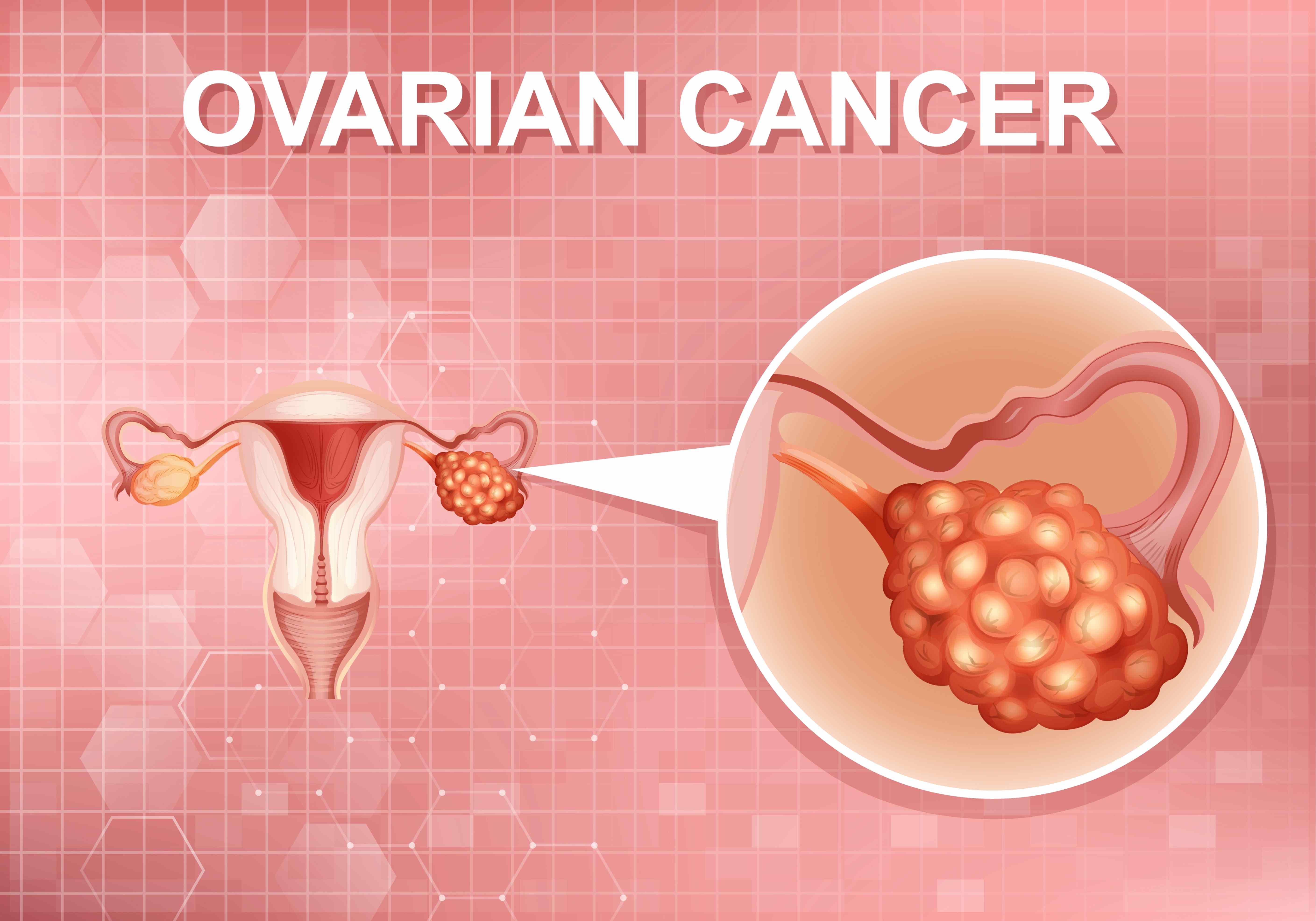
World Ovarian Cancer Day, May 8th
Each year, World Ovarian Cancer Day draws attention to a disease that continues to affect women globally. However, less discussed is how ovarian cancer, especially during pregnancy, can increase the risk of postpartum haemorrhage, PPH, a leading cause of maternal death. While the two conditions may seem unrelated, emerging evidence shows important clinical links that cannot be ignored.
Ovarian cancer in pregnancy is rare, estimated at between 1 in 15,000 and 1 in 32,000 pregnancies, but its impact is significant. A comprehensive review by Dłuski et al., published in Cancers in 2020, highlights that such cases often require complex obstetric management, including surgical interventions and close monitoring, which can increase the likelihood of complications during and after delivery. These complications, in turn, elevate the risk of excessive bleeding.
The pathway to PPH in such cases is often indirect but critical. Tumours can distort pelvic anatomy, contribute to abnormal placentation, or necessitate caesarean delivery, all of which are known risk factors for severe bleeding. Evidence from Nyfløt et al., in a 2017 study published in BMC Pregnancy and Childbirth, confirms that surgical delivery, prolonged labour, and obstetric complications significantly increase the risk of severe postpartum haemorrhage.
Dr Kireki Omanwa, Co-Lead of the End PPH Initiative, emphasizes the need for integrated care.
“Ovarian cancer may not be common in pregnancy, but when it occurs, it significantly complicates care. These women are more likely to undergo complex deliveries, and that increases the risk of postpartum haemorrhage. Early detection and multidisciplinary care are critical,” he says.
Further research reinforces this concern. A systematic review by Blake et al., published in the European Journal of Obstetrics and Gynecology and Reproductive Biology in 2015, found that pregnancies complicated by ovarian cancer often involve higher rates of surgical intervention and preterm delivery, both of which can increase vulnerability to postpartum complications, including haemorrhage.
Globally, there is also a growing trend of cancers being diagnosed during pregnancy, partly due to delayed childbearing and improved diagnostic capacity. This underscores the need to strengthen collaboration between oncology and maternal health services, particularly in low-resource settings where health systems may struggle to manage such complex cases.
The solution lies in preparedness and integration. Health systems must identify high-risk pregnancies early, ensure access to skilled birth attendants, and guarantee availability of blood and emergency obstetric care. Multidisciplinary teams, including obstetricians, oncologists, and anaesthetists, are essential in managing these cases safely.
As we mark World Ovarian Cancer Day, the message is clear. Women’s health must be approached holistically. Linking cancer care with maternal health services is not optional, it is essential. Because in the fight against postpartum haemorrhage, even rare risk factors must be anticipated, understood, and addressed to save lives.
Sources
Dłuski, D.F., Mierzyński, R., Poniedziałek-Czajkowska, E., Leszczyńska-Gorzelak, B. Ovarian Cancer and Pregnancy—A Current Problem in Perinatal Medicine, A Comprehensive Review. Cancers, 2020, Volume 12, Issue 12.
Nyfløt, L.T., Sandven, I., Stray-Pedersen, B., Pettersen, S., Al-Zirqi, I., Rosenberg, M., Jacobsen, A.F., Vangen, S. Risk Factors for Severe Postpartum Hemorrhage, A Case-Control Study. BMC Pregnancy and Childbirth, 2017, Volume 17, Issue 1.
Blake, E.A., Kodama, M., Yunokawa, M., Ross, M.S., Ueda, Y., Grubbs, B.H., Matsuo, K. Feto-Maternal Outcomes of Pregnancy Complicated by Epithelial Ovarian Cancer, A Systematic Review of Literature. European Journal of Obstetrics and Gynecology and Reproductive Biology, 2015, Volume 186.
Image by Freepik