By PPH Foundation
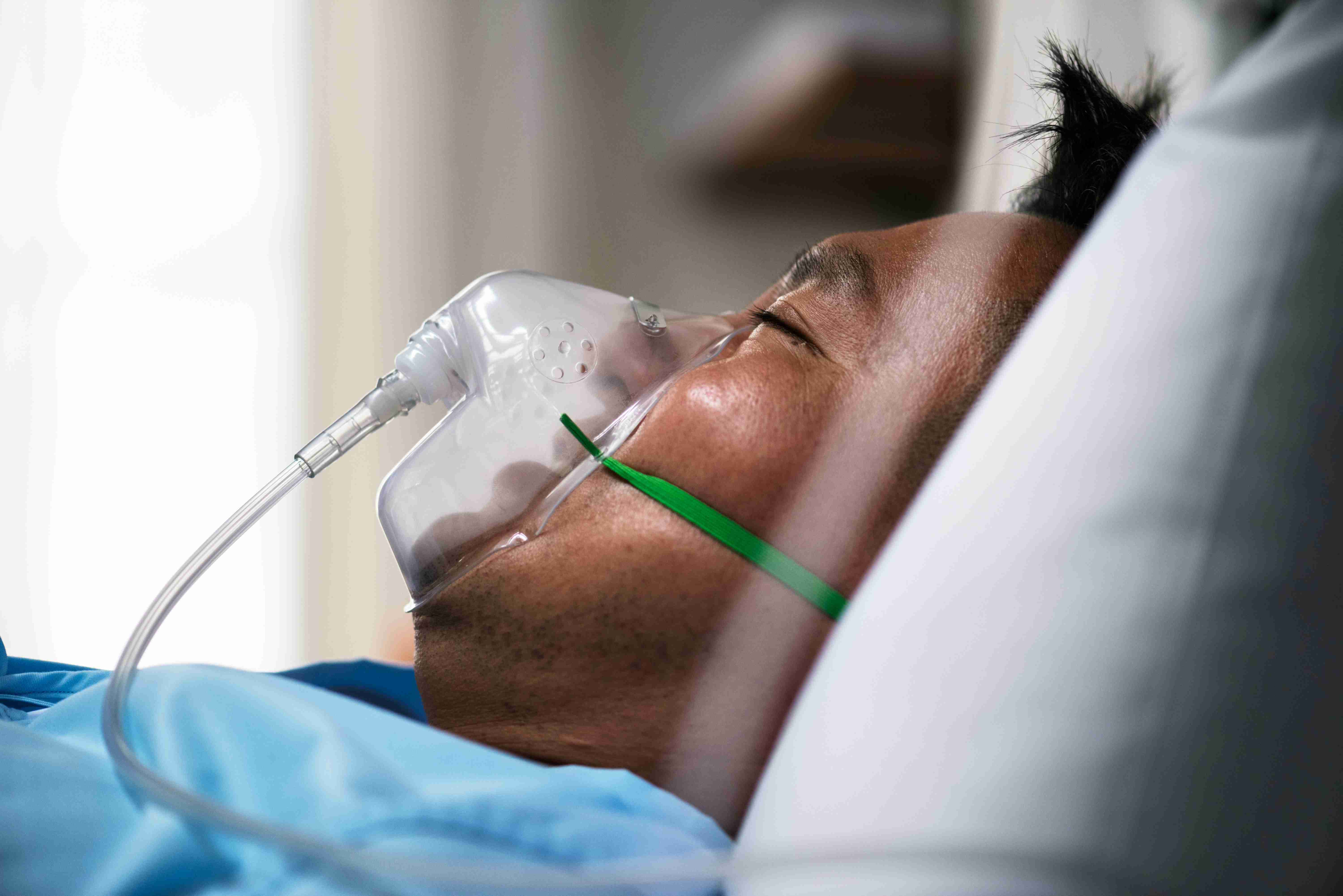
Postpartum haemorrhage, PPH, kills within hours, and survival depends on how quickly a woman in shock is stabilized. One of the most critical yet overlooked elements in that response is oxygen. Emerging evidence now shows that oxygen is not only supportive care, it may directly influence how much a woman bleeds and whether she survives.
When severe bleeding occurs, the body goes into hypovolemic shock, reducing oxygen delivery to vital organs. According to the World Health Organization, immediate resuscitation in PPH must include oxygen therapy alongside fluids and blood transfusion to maintain organ function and prevent collapse.
New research strengthens this further. A 2024 systematic review and meta-analysis found that oxygen therapy during the third stage of labour can significantly reduce blood loss, with women receiving oxygen losing on average 38 to 41 millilitres less blood compared to routine care. This suggests that oxygen may play a direct role in reducing the severity of haemorrhage.
Clinical trial evidence supports this finding. A randomized controlled trial demonstrated that women who received oxygen alongside oxytocin had substantially lower blood loss, approximately 149 millilitres compared to 256 millilitres in those who did not receive oxygen. This shows that oxygen can enhance the effectiveness of standard PPH prevention and treatment interventions.
The physiological explanation is clear. Research published in critical care settings shows that severe postpartum haemorrhage rapidly reduces tissue oxygenation and places stress on the heart, accelerating organ dysfunction. Without adequate oxygen, the body cannot compensate for blood loss, and deterioration happens quickly.
In real-world settings, especially where blood transfusion is delayed or unavailable, oxygen becomes even more critical. Case-based clinical evidence demonstrates that optimizing oxygen delivery can be lifesaving in severe anaemia following PPH, helping sustain vital organs while definitive treatment is arranged.
Despite this, access to oxygen remains inconsistent. Reports from the World Health Organization highlight major gaps in oxygen availability across low-resource settings, where supply systems, equipment, and infrastructure are often unreliable. This means that even when PPH is recognized early, the ability to stabilize patients is limited.
Prof Moses Obimbo, Project Lead of the End PPH Initiative, underscores this gap.
“Oxygen is a fundamental component of emergency care in postpartum haemorrhage. When a woman is bleeding heavily, her organs are already deprived of oxygen. Without immediate oxygen support, the window for survival narrows significantly, even when other interventions are available. Strengthening oxygen systems is therefore essential to saving lives.”
The challenge goes beyond availability. Oxygen concentrators depend on electricity, while cylinders rely on strong supply chains. Any disruption, whether power outages, empty cylinders, or equipment failure, can delay care at the most critical moment.
The solution is clear. Oxygen must be treated as an essential medicine within maternal health systems. This means investing in reliable supply, backup power, maintenance systems, and training health workers to integrate oxygen into emergency obstetric care.
Preventing deaths from postpartum haemorrhage is not only about stopping the bleeding. It is about keeping the mother alive long enough for that to happen. And sometimes, that begins with something as basic, and as powerful, as oxygen.
Sources
World Health Organization. WHO Recommendations for the Prevention and Treatment of Postpartum Haemorrhage. Geneva, WHO, 2012.
World Health Organization. Managing Complications in Pregnancy and Childbirth, A Guide for Midwives and Doctors. Geneva, WHO.
Abdelaziz A, et al. Effect of Oxygen Inhalation During the Third Stage of Labour on Blood Loss, A Systematic Review and Meta-Analysis. 2024.
Abdelaziz A, et al. Oxygen Inhalation Improves Outcomes in the Third Stage of Labour, A Randomized Controlled Trial. Journal of Obstetrics and Gynaecology Research. 2016.
Van de Louw A, et al. Tissue Oxygenation and Haemodynamic Changes in Severe Postpartum Haemorrhage. Critical Care. 2009.
Moussa HN, et al. Optimizing Oxygen Delivery in Severe Anaemia Following Postpartum Haemorrhage. Obstetric Case Reports. 2016.
Image by rawpixel.com on Magnific</a>