By PPH Foundation
Postpartum haemorrhage (PPH) remains one of the leading causes of maternal deaths globally, and experts continue to warn that poor maternal nutrition, particularly iron deficiency and anaemia, significantly increases the danger faced by pregnant women during childbirth. As countries work to strengthen emergency obstetric care, growing evidence shows that preventing PPH must also begin much earlier through improved nutrition, early screening, and treatment of anaemia during pregnancy.
According to the World Health Organization, nearly 37 percent of pregnant women globally are affected by anaemia, with iron deficiency remaining the most common cause. Africa continues to carry one of the highest burdens, driven by poor nutrition, malaria, infections, food insecurity, and limited access to maternal healthcare services.
Maternal anaemia weakens the body’s ability to tolerate blood loss during childbirth. Women who enter labour with low haemoglobin levels face a significantly higher risk of severe complications if postpartum haemorrhage occurs, including shock, organ failure, need for blood transfusion, and death. Recent studies continue to show a strong relationship between prepartum anaemia and poor maternal outcomes during delivery and the postpartum period.
A 2023 meta-analysis published in Clinical and Applied Thrombosis/Hemostasis found that women with prepartum anaemia had increased risk of postpartum haemorrhage compared to women with normal haemoglobin levels. Additional research published in BMC Pregnancy and Childbirth in 2025 further showed that pregnancy-related anaemia continues to contribute to postpartum health complications affecting both mothers and infants.
Experts note that iron deficiency during pregnancy often develops gradually and may remain undetected until labour or delivery complications arise. Symptoms such as fatigue, dizziness, shortness of breath, weakness, and paleness are sometimes overlooked or normalized during pregnancy, delaying diagnosis and treatment.
Dr Eunice Atsali, a Co - Lead at the End PPH Initiative, says strengthening maternal nutrition is one of the most important but underappreciated strategies in preventing severe postpartum haemorrhage outcomes.
“A mother who begins labour with severe anaemia is already at greater risk if excessive bleeding occurs. Improving iron status during pregnancy strengthens the body’s resilience, reduces complications, and improves chances of survival during obstetric emergencies. Nutrition must therefore be treated as a core pillar of maternal health and PPH prevention,” she says.
The WHO continues to recommend routine iron and folic acid supplementation during pregnancy, alongside early antenatal screening, nutrition counselling, malaria prevention, and timely management of infections contributing to anaemia. New WHO consolidated guidelines on postpartum haemorrhage prevention also emphasize stronger integration of preventive maternal care, including improved antenatal preparedness and risk identification.
Maternal health experts further warn that food insecurity, rising living costs, climate-related disruptions, and unequal access to nutritious foods continue to place many women at increased risk of iron deficiency across low-resource settings. Addressing maternal nutrition therefore remains essential not only for preventing anaemia, but also for reducing maternal deaths linked to postpartum haemorrhage.
Sources
- World Health Organization. Anaemia Fact Sheet. Geneva: WHO; 2025.
- World Health Organization. Consolidated Guidelines for the Prevention, Diagnosis and Treatment of Postpartum Haemorrhage. Geneva: WHO; 2025.
- Glonnegger H, Glenzer MM, Lancaster L, Barnes RFW, von Drygalski A. Prepartum Anemia and Risk of Postpartum Hemorrhage: A Meta-Analysis and Brief Review. Clinical and Applied Thrombosis/Hemostasis. 2023.
- Zinsstag L, Sonephet S, Rigutto-Farebrother J, et al. Maternal and Infant Outcomes of Pregnancy Anemia at One Month Postpartum: A Cohort Analysis. BMC Pregnancy and Childbirth. 2025;25:1039.
- The Critical Role of Iron in Pregnancy, Puerperium, and Fetal Development. Journal of Clinical Medicine. 2025;14(10):3482.
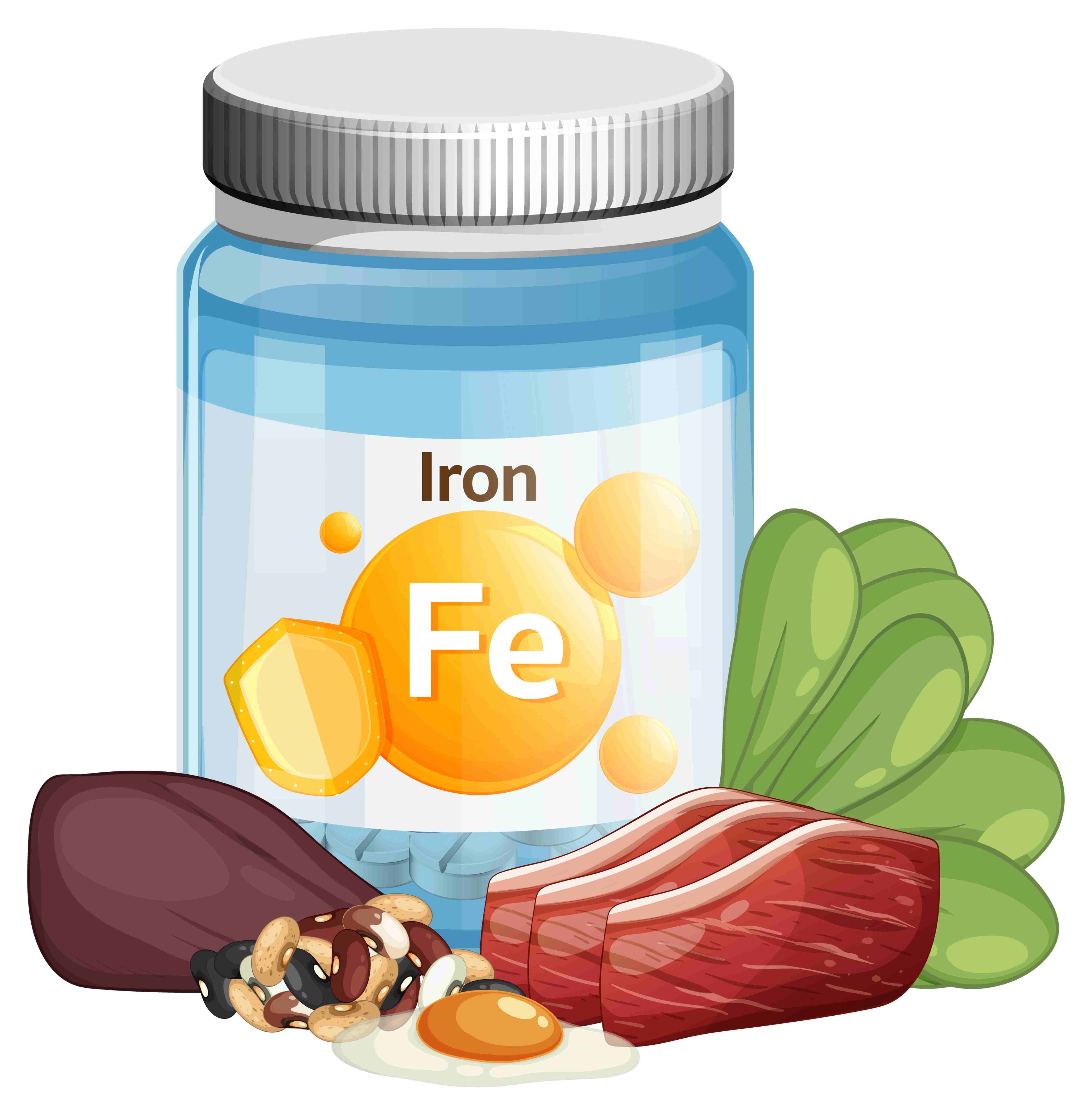
- Image by brgfx on Magnific</a>