By PPH Foundation
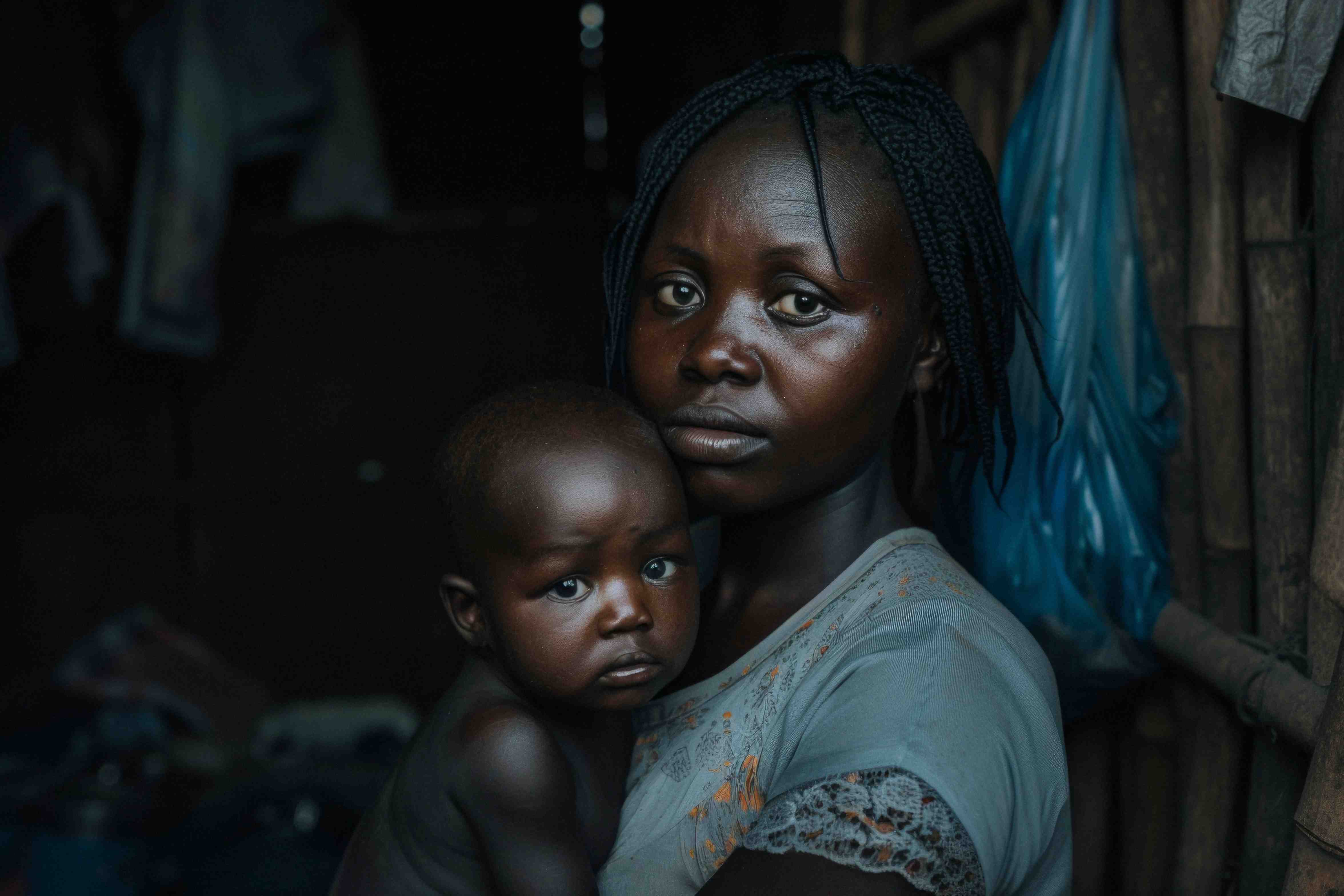
As the world marks World Refugee Day on 20 June, attention is often focused on shelter, food, security, and education for displaced populations. Less visible, however, are the maternal health challenges faced by millions of refugee women who continue to become pregnant and give birth while living in camps, settlements, and host communities far from home.
According to the United Nations High Commissioner for Refugees (UNHCR), more than 120 million people worldwide are forcibly displaced, with women and girls accounting for nearly half of this population. Many refugee women spend extended periods in displacement, often facing barriers to reproductive healthcare, antenatal services, skilled birth attendance, and emergency obstetric care.
For women experiencing postpartum haemorrhage, these barriers can be deadly.
Postpartum haemorrhage remains the leading direct cause of maternal mortality globally, accounting for approximately 27 percent of maternal deaths worldwide (WHO, 2025). Effective management depends on rapid diagnosis, skilled healthcare workers, access to uterotonic medicines, blood transfusion services, referral systems, and surgical care where necessary. Yet these resources are often difficult to access within refugee settings.
Research published by UNFPA and the Women's Refugee Commission shows that displaced women frequently encounter challenges including shortages of healthcare personnel, overcrowded health facilities, language barriers, transportation difficulties, and disruptions in continuity of care. These factors can delay lifesaving interventions when obstetric emergencies occur.
Refugee women are also disproportionately affected by anaemia and undernutrition. A review by Black et al. (2013) in The Lancet found that food insecurity and micronutrient deficiencies remain common among displaced populations, increasing the risk of adverse pregnancy outcomes. Anaemia significantly reduces a woman's ability to withstand severe blood loss during childbirth, making postpartum haemorrhage even more dangerous.
Prof Ann Beatrice Kihara, Co-Lead of the End Postpartum Haemorrhage Initiative, says refugee mothers require targeted interventions that recognize the unique challenges associated with displacement.
"Refugee women face multiple vulnerabilities before, during, and after pregnancy. Many are living in unfamiliar environments, with limited support networks and inconsistent access to healthcare services. Protecting these mothers from postpartum haemorrhage requires deliberate investments in skilled maternity care, emergency referral systems, blood availability, nutrition support, and community awareness programmes within refugee settings."
Experts note that progress has been made in several refugee camps and settlements where governments, humanitarian agencies, and development partners have strengthened maternity services through mobile clinics, maternity waiting homes, community health workers, emergency transport systems, and improved referral pathways. However, significant gaps remain.
As the global community commemorates World Refugee Day, maternal health advocates are calling for greater attention to the reproductive health needs of displaced women. Ensuring that refugee mothers have access to quality maternal healthcare is not simply a humanitarian obligation; it is an essential step towards reducing preventable maternal deaths from postpartum haemorrhage.
For millions of women living in displacement, safe childbirth should not depend on where conflict, disaster, or crisis forced them to seek refuge.
Sources
- United Nations High Commissioner for Refugees. Global Trends: Forced Displacement 2025. Geneva: UNHCR; 2025.
- World Health Organization. Trends in Maternal Mortality 2000–2023. Geneva: WHO; 2025.
- United Nations Population Fund. Reproductive Health in Humanitarian Settings. New York: UNFPA; 2024.
- Women's Refugee Commission. Improving Maternal Health Services for Refugee Women. New York: WRC; 2023.
- Black RE, Victora CG, Walker SP, et al. Maternal and Child Undernutrition and Overweight in Low-Income and Middle-Income Countries. The Lancet. 2013;382(9890):427–451.
- World Health Organization. Recommendations for the Prevention and Treatment of Postpartum Haemorrhage. Geneva: WHO; 2012.
- Inter-Agency Working Group on Reproductive Health in Crises. Minimum Initial Service Package for Sexual and Reproductive Health in Humanitarian Settings. New York: IAWG; 2023.
- Image by Freepik