By PPH Foundation
STI Awareness Month, April
Infections acquired before or during pregnancy can quietly shape how a woman experiences childbirth, including her risk of excessive bleeding. Sexually transmitted infections, STIs, are increasingly recognized as an important but often overlooked factor that can contribute to postpartum haemorrhage, particularly through their impact on maternal health, infection risk, and complications during and after delivery.
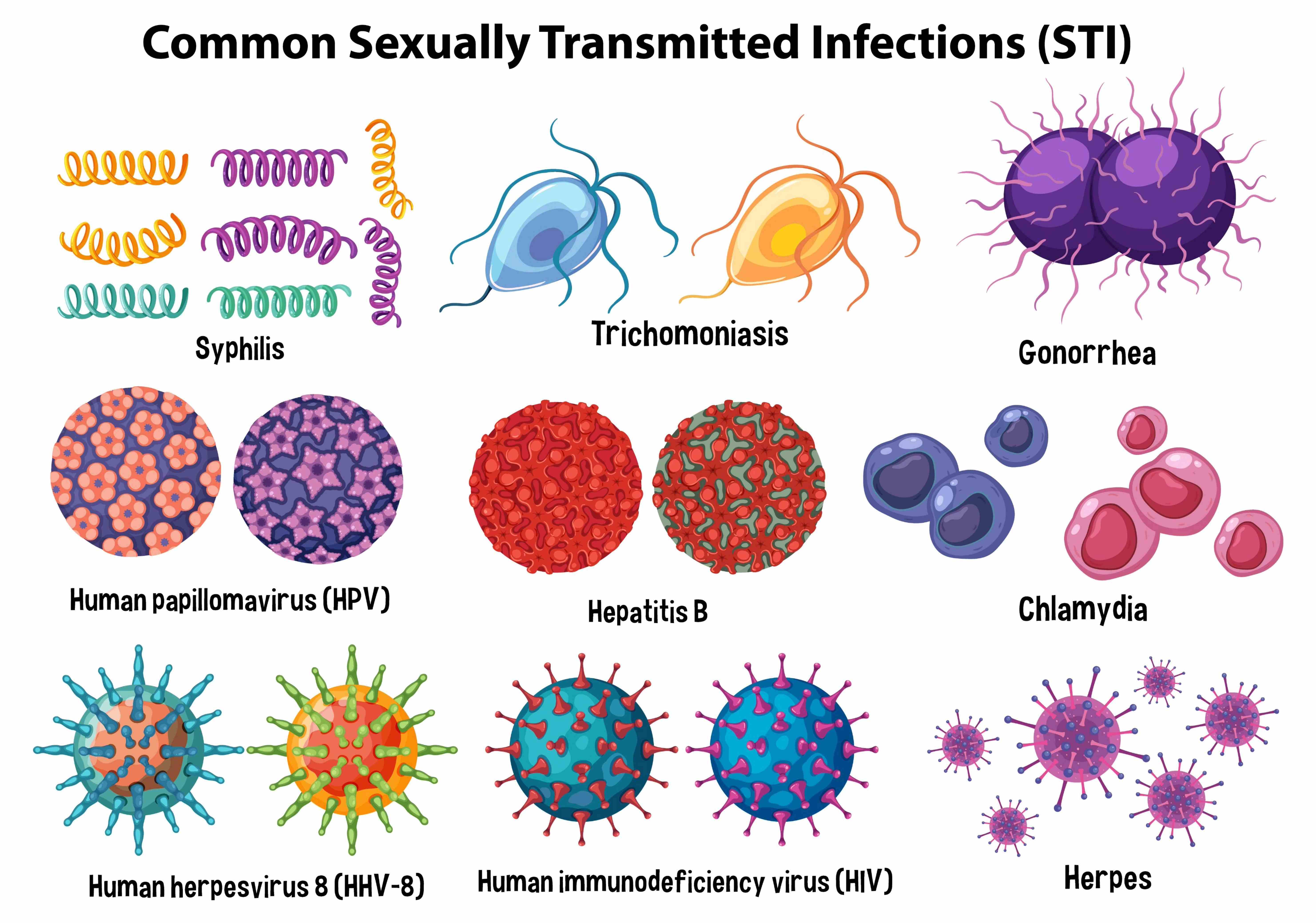
STIs such as chlamydia, gonorrhea, and syphilis are associated with adverse pregnancy outcomes including pelvic infections, premature rupture of membranes, and preterm birth. These conditions increase the likelihood of prolonged or complicated labour, uterine infection, and poor uterine contraction after delivery, all of which are known pathways to postpartum haemorrhage. Infections can also lead to inflammation and tissue damage, making it more difficult for the body to control bleeding effectively after childbirth.
Recent evidence continues to strengthen this connection. A 2023 analysis in BMC Pregnancy and Childbirth found that maternal infections, including untreated STIs, significantly increased the risk of obstetric complications such as sepsis and haemorrhage. Similarly, research published in The Lancet Global Health, 2022, highlighted that infection-related maternal conditions remain a major contributor to severe bleeding and maternal mortality in low-resource settings. The World Health Organization also notes that maternal infections, including STIs, are among the leading indirect causes of maternal deaths, often acting alongside conditions like postpartum haemorrhage to worsen outcomes.
Bringing this into perspective, Dr Eunice Atsali, a Co-Lead of the End PPH Initiative notes that, “Maternal infections do not occur in isolation. When a woman enters labour with an untreated infection, the risks extend beyond infection itself to complications such as postpartum haemorrhage. Preventing and managing infections early is a critical step in safeguarding maternal survival.”
Addressing this risk requires a strong focus on prevention, early detection, and integrated care. Routine antenatal screening for STIs is one of the most effective interventions, allowing for early diagnosis and treatment before complications arise. The WHO recommends universal screening for syphilis and targeted screening for other STIs during pregnancy, alongside prompt treatment to reduce adverse outcomes.
Treatment and continuity of care are equally important. Antibiotic therapy for bacterial STIs has been shown to significantly reduce the risk of complications, including infection-related bleeding. Strengthening infection prevention and control practices during delivery, including clean birth environments and appropriate use of antibiotics, further reduces the risk of postpartum complications.
Health education also plays a critical role. Empowering women with information on STI prevention, testing, and treatment encourages early care seeking and reduces stigma. At the same time, integrating STI services into maternal health programs ensures that women receive comprehensive care that addresses both infectious and obstetric risks.
As the world marks STI Awareness Month, the message is clear. Protecting maternal health requires looking beyond the moment of delivery to the conditions that shape it. By preventing and managing infections early, we not only reduce the burden of disease but also take a critical step toward preventing postpartum haemorrhage and ensuring safer childbirth for all women.
Sources
Kassebaum NJ et al. Global causes of maternal death, a WHO systematic analysis. The Lancet Global Health. 2022,10(9):e1234–e1244.
World Health Organization. Global health sector strategy on sexually transmitted infections 2022–2030. Geneva, WHO, 2022.
Bonet M et al. Maternal sepsis and infection related complications. BMC Pregnancy and Childbirth. 2023,23:112.
World Health Organization. WHO recommendations for antenatal care for a positive pregnancy experience. Geneva, WHO, 2020.
Image by brgfx on Freepik</a>