By PPH Foundation
As the world marks International Salt Awareness Week which is being observed from 12–18 May 2026 and closely linked to the World Hypertension Day 2026, growing research continues to show that excessive salt intake during and after pregnancy may contribute to hypertension, preeclampsia, and increased risk of postpartum haemorrhage. While postpartum haemorrhage remains the leading cause of maternal deaths globally, hypertensive disorders in pregnancy are increasingly being recognized as major contributors to severe bleeding, emergency obstetric complications, stroke, kidney injury, and maternal mortality.
Recent studies published in 2025 and 2026 indicate that women with hypertensive disorders of pregnancy face significantly elevated risks of postpartum haemorrhage, with systolic blood pressure emerging as one of the strongest predictors of severe maternal complications. Researchers have also demonstrated that excess sodium exposure contributes to salt-sensitive hypertension, vascular dysfunction, and long-term cardiovascular complications after pregnancy.
According to Dr Kireki Omanwa, a Co-Lead of the End PPH Initiative, reducing preventable maternal deaths requires stronger attention to lifestyle and nutritional factors that increase pregnancy-related complications.
“Many maternal emergencies associated with postpartum haemorrhage are compounded by poorly controlled hypertension. Reducing excessive salt intake, strengthening antenatal screening, and promoting early detection can significantly reduce risks for mothers before severe complications occur,” says Dr Omanwa.
A 2025 systematic review published in the American Journal of Obstetrics and Gynecology further showed that postpartum hypertension remains a major challenge among women with hypertensive disorders of pregnancy, with ongoing concerns around stroke risk, organ dysfunction, fluid overload, and long-term cardiovascular disease.
Additional research analyzing more than 7,400 pregnancies found important associations between sodium intake and development of hypertensive disorders of pregnancy, further reinforcing global recommendations on healthier dietary practices during pregnancy.
Experts continue to call for stronger public awareness on healthy nutrition during pregnancy, routine blood pressure monitoring, and timely maternal healthcare access to prevent hypertension-related complications that can escalate into postpartum haemorrhage and maternal death.
Sources
- Zhang J, Zhi B, Wu H. Nomogram for predicting postpartum hemorrhage in women with hypertensive disorders of pregnancy. Scientific Reports. 2025;15:32845. Available from: Scientific Reports
- Masenga SK, Wandira N, Cattivelli-Murdoch G, et al. Salt sensitivity of blood pressure: mechanisms and sex-specific differences. Nature Reviews Cardiology. 2025;22:611–628. Available from: Nature Reviews Cardiology
- Bank TC, Grasch JL, Chung J, et al. Sodium intake and the development of hypertensive disorders of pregnancy. American Journal of Obstetrics & Gynecology MFM. 2023;5(11):101166. Available from: RTI International
- Tol ID, Khalil A, Cairns AE, et al. Postpartum management of the hypertensive disorders of pregnancy: systematic review and meta-analysis. American Journal of Obstetrics and Gynecology. 2025. Available from: PubMed
- McCoy SM, Hurwitz M, Kwapong YA, et al. Advances in postpartum hypertension management: a review of current guidelines and interventions. npj Women’s Health. 2025;3:47. Available from: npj Women's Health
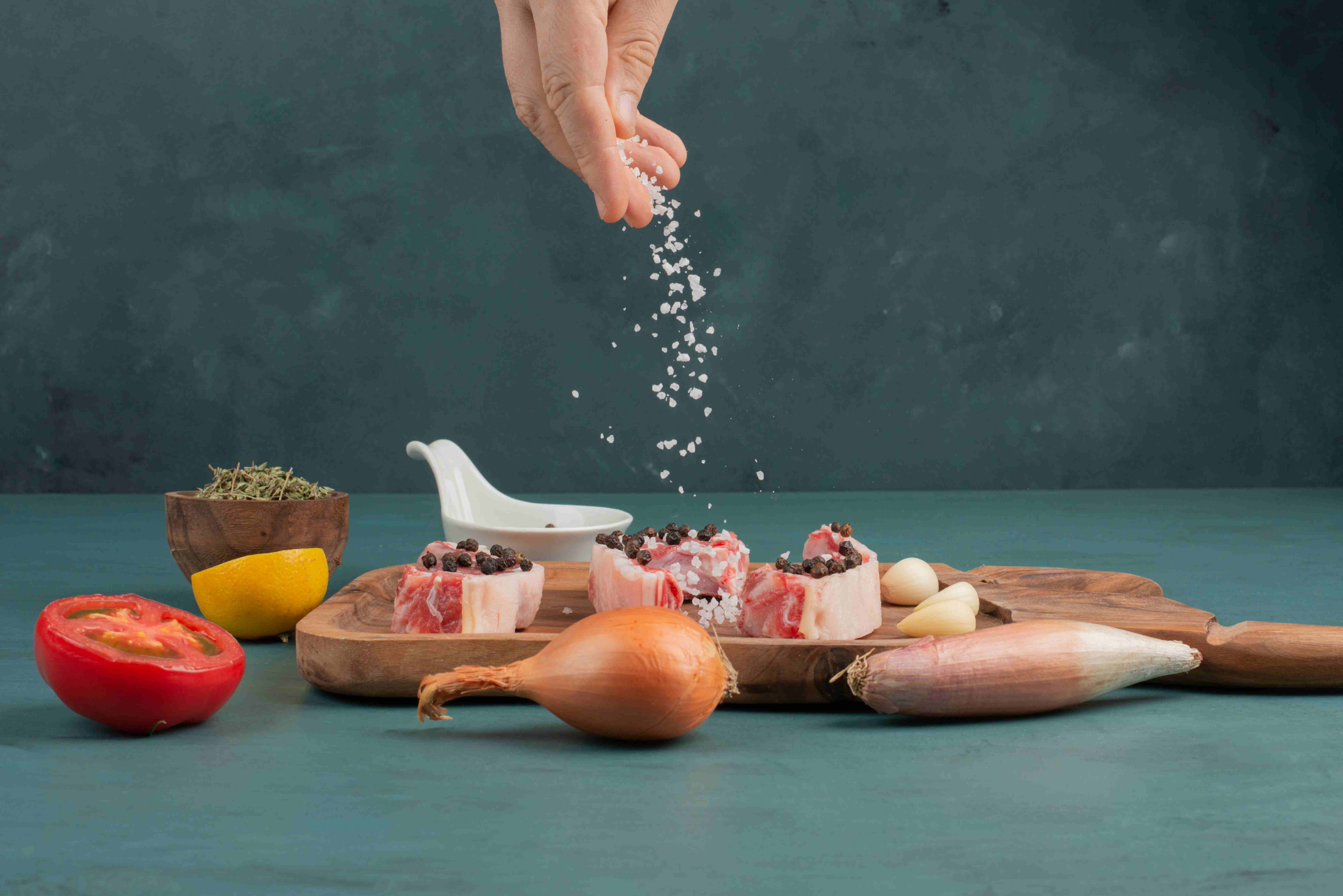
- Image by azerbaijan_stockers on Magnific</a>