By PPH Foundation
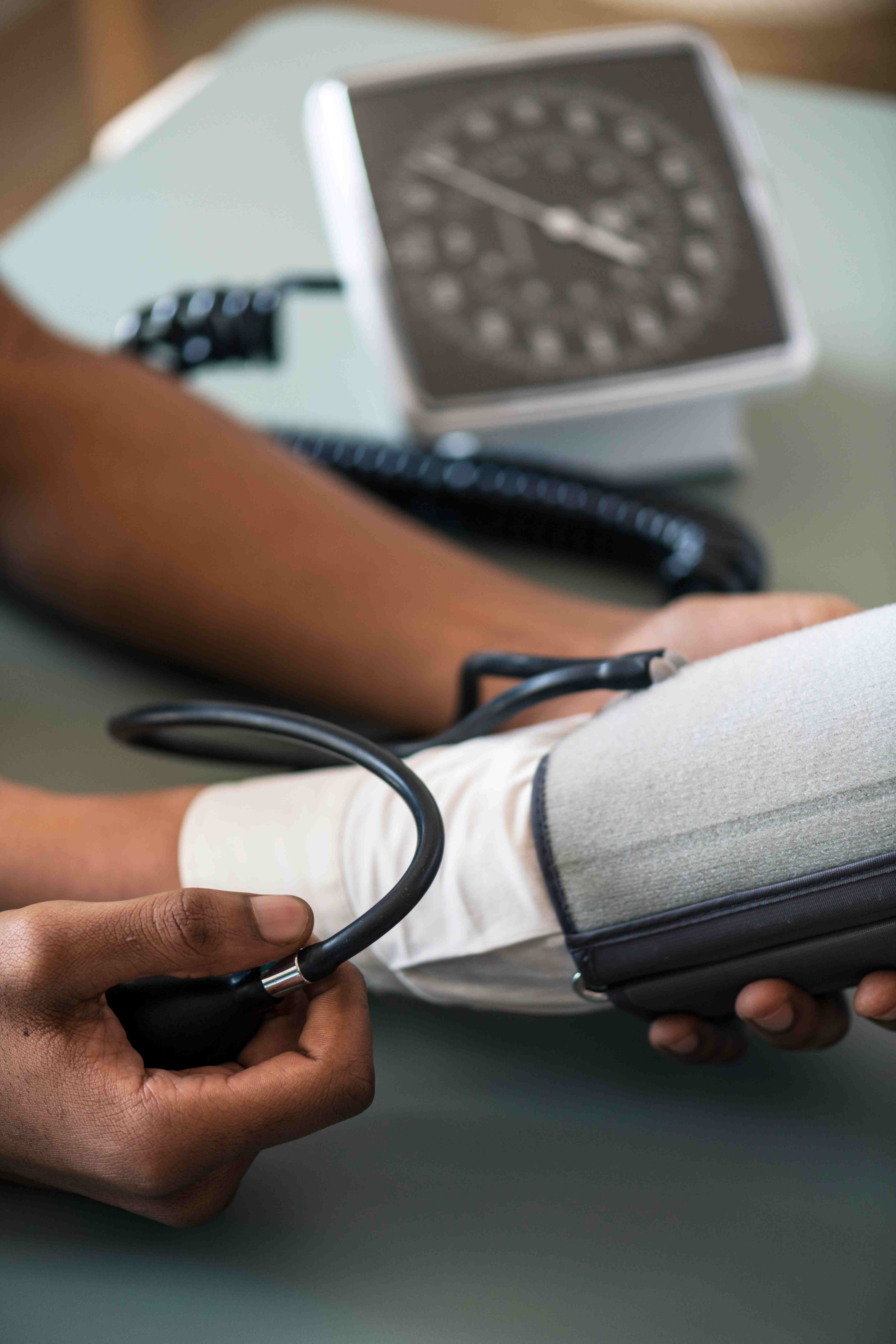
High blood pressure during pregnancy continues to emerge as one of the major but often overlooked contributors to postpartum haemorrhage and maternal deaths globally. As the world marks World Hypertension Day 2026 on 17 May under the theme “Controlling Hypertension Together,” growing evidence shows that hypertensive disorders in pregnancy significantly increase the risk of severe bleeding, emergency delivery complications, stillbirths, stroke, organ failure, and maternal death.
According to the World Health Organization, hypertension remains one of the leading preventable causes of premature death worldwide, with many women entering pregnancy unaware of their blood pressure status. Recent studies have further shown that women with hypertensive disorders of pregnancy face elevated risks of postpartum haemorrhage, particularly in severe preeclampsia and chronic hypertension cases.
Prof Ann Beatrice Kihara, a Co-Lead of the End PPH Initiative, notes that many maternal emergencies linked to hypertension can be prevented through early screening, routine antenatal monitoring, timely referral, and strengthened emergency obstetric care systems.
“Hypertension in pregnancy is dangerous because it can progress silently until mothers develop life-threatening complications such as severe bleeding, stroke, seizures, or organ failure. Early detection and continuity of care are critical in preventing these outcomes,” says Prof Kihara.
Research published in 2025 has also shown that hypertension frequently persists beyond delivery, with nearly 40 percent of women experiencing elevated blood pressure in the late postpartum period, increasing long-term cardiovascular risks if not properly monitored. Additional findings from the University of Oxford indicate that home blood pressure monitoring after hypertensive pregnancies may significantly reduce future cardiovascular complications among mothers.
In Kenya and across many low- and middle-income countries, delayed diagnosis, limited access to specialised maternal care, and weak emergency response systems continue to place mothers at increased risk of preventable complications linked to hypertension and postpartum haemorrhage. Experts continue to call for stronger investment in antenatal screening, community awareness, and maternal health systems to ensure mothers are identified and treated before emergencies occur.
Sources
- World Health Organization. World Hypertension Day 2026. Geneva: WHO; 2026. Available from: World Health Organization
- Wang Y, et al. Association between hypertensive disorders of pregnancy and postpartum haemorrhage outcomes. Scientific Reports. 2025;15:18133. Available from: Scientific Reports
- Hauspurg A, et al. Persistent postpartum hypertension and maternal cardiovascular outcomes. National Center for Biotechnology Information. 2025. Available from: NCBI PMC
- University of Oxford. Home blood pressure monitoring after hypertensive pregnancy may reduce long-term cardiovascular risk. Reported by The Guardian, 27 April 2026. Available from: The Guardian
- Image by rawpixel.com on Magnific</a>