By PPH Foundation
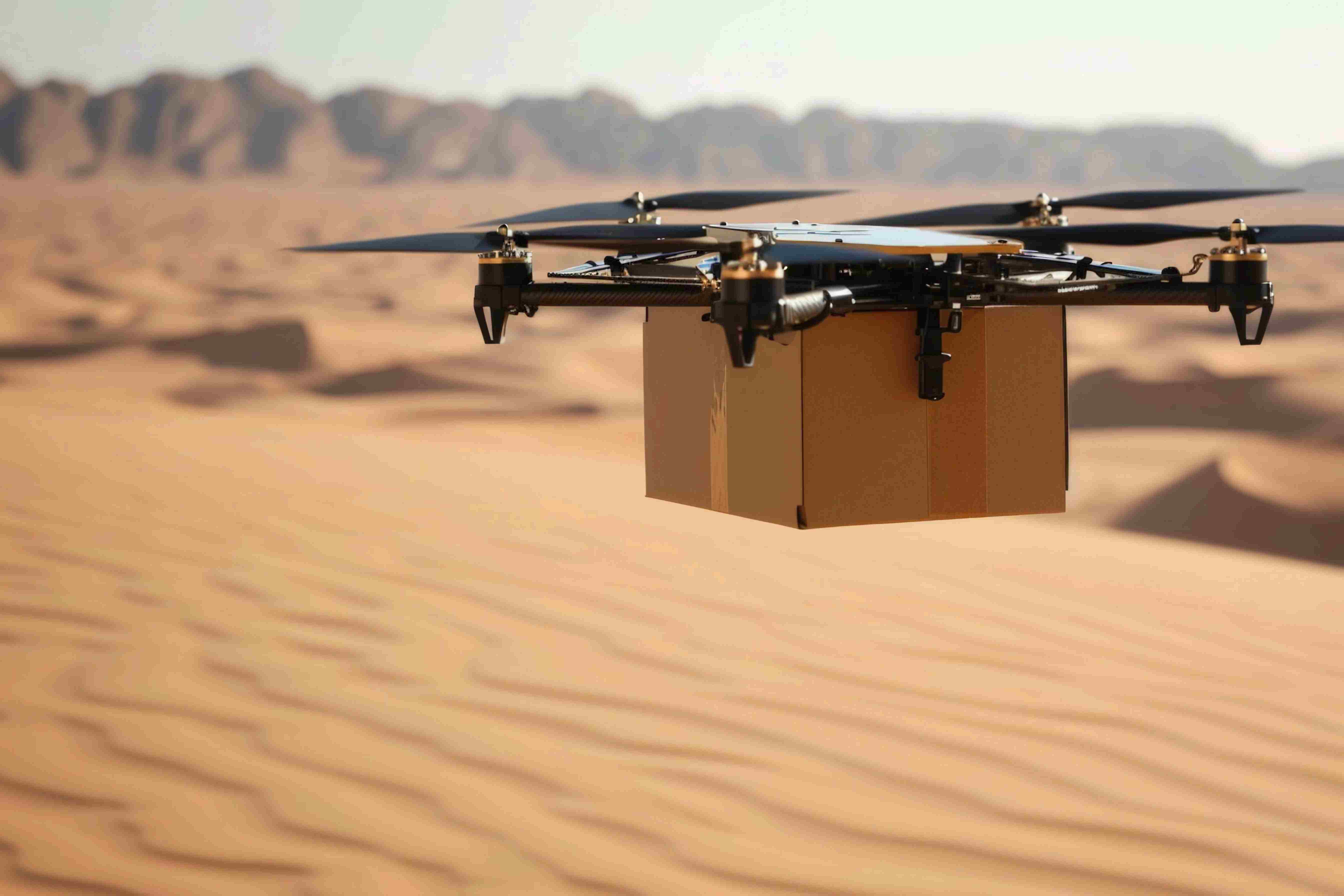
When postpartum haemorrhage, PPH, strikes, having life-saving medicines and blood available quickly can determine whether a mother survives. Yet for women in rural and hard-to-reach communities, the emergency may be compounded by long distances, poor roads and delays in transporting essential supplies. This is where drones are emerging as a potential solution to one of maternal healthcare's most difficult challenges: the last mile.
Drones are already being used to transport blood products to remote health facilities in countries including Rwanda. Evidence from Rwanda shows that the technology can significantly reduce delivery times and blood wastage, demonstrating how faster transport could strengthen emergency response when conventional road networks are slow or difficult to navigate.
A study published in The Lancet Global Health analysed 12,733 blood-product orders delivered by drones to 20 health facilities in Rwanda between 2017 and 2019. The researchers found that the mean drone delivery time was 49.6 minutes, 79 minutes faster than estimated road delivery and 98 minutes faster than Google Maps estimates. Blood-product expirations also fell, with the study reporting a 67 per cent reduction after 12 months.
The relevance to PPH is clear. Severe bleeding after childbirth may require rapid access to blood and blood products, while uterotonic medicines are central to preventing and treating bleeding associated with poor uterine contraction. However, the evidence for drone delivery is currently stronger for blood than for uterotonics specifically.
Botswana has also explored the maternal health application. In 2021, UNFPA and partners launched a pilot using drones to transport maternal health commodities, including essential obstetric medicines, blood and blood products, and laboratory specimens to hard-to-reach communities.
For Kenya, the potential is particularly relevant to efforts to strengthen access to blood during maternal emergencies. Prof Julius Ogeng'o, Co-Lead of the End PPH Initiative, has emphasised the importance of ensuring that blood is available where and when mothers need it.
This challenge extends beyond blood donation. Blood must be collected, tested, stored, distributed and transported efficiently. The PPH Foundation's ROAMING Blood initiative similarly seeks to strengthen connections between donors, health facilities, ambulances and healthcare personnel so blood can be mobilised when required.
Drones could potentially become another layer within such a system, particularly where roads are slow, blocked or difficult to navigate. But they cannot replace health workers, blood banks, ambulances or functioning referral systems. They require infrastructure, regulation, trained personnel and evidence that their costs and benefits justify their use.
For PPH, the promise of drones is therefore not the technology itself. It is the possibility of saving critical minutes between recognising a maternal emergency and delivering the resources needed to save a life.
References
- Rosenberg, E., et al. (2022). Effect of unmanned aerial vehicle, drone, delivery on blood product delivery time and wastage in Rwanda: A retrospective, cross-sectional study and time series analysis. The Lancet Global Health, 10, e564–e569.
- Ngabo, D., et al. (2026). Last-mile delivery in healthcare: Drone delivery for blood products in Rwanda. Manufacturing & Service Operations Management.
- World Health Organization. Drones take Rwanda's national blood service to new heights.
- United Nations Population Fund, UNFPA. (2021). Piloting drones to deliver life-saving products for women in rural Botswana.
- Habibi, S., Ivaki, N., & Barata, J. (2025). A systematic literature review of unmanned aerial vehicles for healthcare and emergency services.
- Image by magnific</a>