By PPH Foundation
A pregnant woman who contracts an infection from animals, contaminated animal products or disease-carrying insects may not immediately think about postpartum haemorrhage. Yet some zoonotic diseases can cause severe infections, anaemia and clotting abnormalities that weaken a mother's health during pregnancy, increasing the risk of complications during childbirth, including excessive bleeding. As the world marks World Zoonoses Day, experts are calling for greater attention to the often-overlooked link between animal health and maternal survival (World Health Organization, 2023).
Zoonotic diseases are infections that spread between animals and humans. They include brucellosis, listeriosis, leptospirosis, toxoplasmosis and Rift Valley fever, all of which can affect pregnancy. These infections have been associated with miscarriage, stillbirth, preterm birth, maternal sepsis and poor newborn outcomes. Severe infections may also leave pregnant women more vulnerable during labour and make the management of postpartum haemorrhage more challenging (Charlier et al., 2021; World Health Organization, 2023).
According to Dr. Kireki Omanwa, Co-Lead of the End Postpartum Haemorrhage Initiative, preventing maternal deaths begins long before a woman enters the delivery room.
"Preventing postpartum haemorrhage is not only about responding when excessive bleeding occurs. It starts with protecting a woman's health throughout pregnancy. Preventing infections, including zoonotic diseases, helps reduce complications that can weaken mothers before delivery. This is why maternal health, animal health and environmental health must work together through the One Health approach. Healthy communities, healthy animals and healthy environments all contribute to safer pregnancies and healthier newborns."
In Kenya, where many families depend on livestock, preventing zoonotic diseases is particularly important. Pregnant women are advised to avoid consuming unpasteurized milk and undercooked meat, practice good hand hygiene after handling animals, use protective clothing when caring for sick livestock, and seek medical attention promptly if they develop persistent fever or flu-like symptoms during pregnancy. Health experts also encourage livestock vaccination, vector control and stronger disease surveillance to reduce outbreaks that threaten both human and animal health (Food and Agriculture Organization, 2024).
Climate change is also increasing the risk of some zoonotic diseases by altering rainfall patterns, expanding mosquito breeding sites and increasing interactions between people, livestock and wildlife. These changes underscore the need for stronger collaboration between the human, animal and environmental health sectors to protect vulnerable populations, especially pregnant women and newborns (World Health Organization, 2023).
As countries work to reduce preventable maternal deaths, World Zoonoses Day serves as a reminder that protecting mothers extends beyond maternity wards. Preventing diseases at the human-animal-environment interface is an important step towards healthier pregnancies, safer childbirth and reducing complications such as postpartum haemorrhage.
References
Charlier, C., Beaudoin, M. C., Couderc, T., et al. Pregnancy and listeriosis: Clinical features, diagnosis and management. The Lancet Infectious Diseases. 2021.
Food and Agriculture Organization. World Zoonoses Day: One Health for People, Animals and the Environment. 2024.
World Health Organization. WHO recommendations for the prevention and treatment of postpartum haemorrhage. Geneva: World Health Organization; 2023.
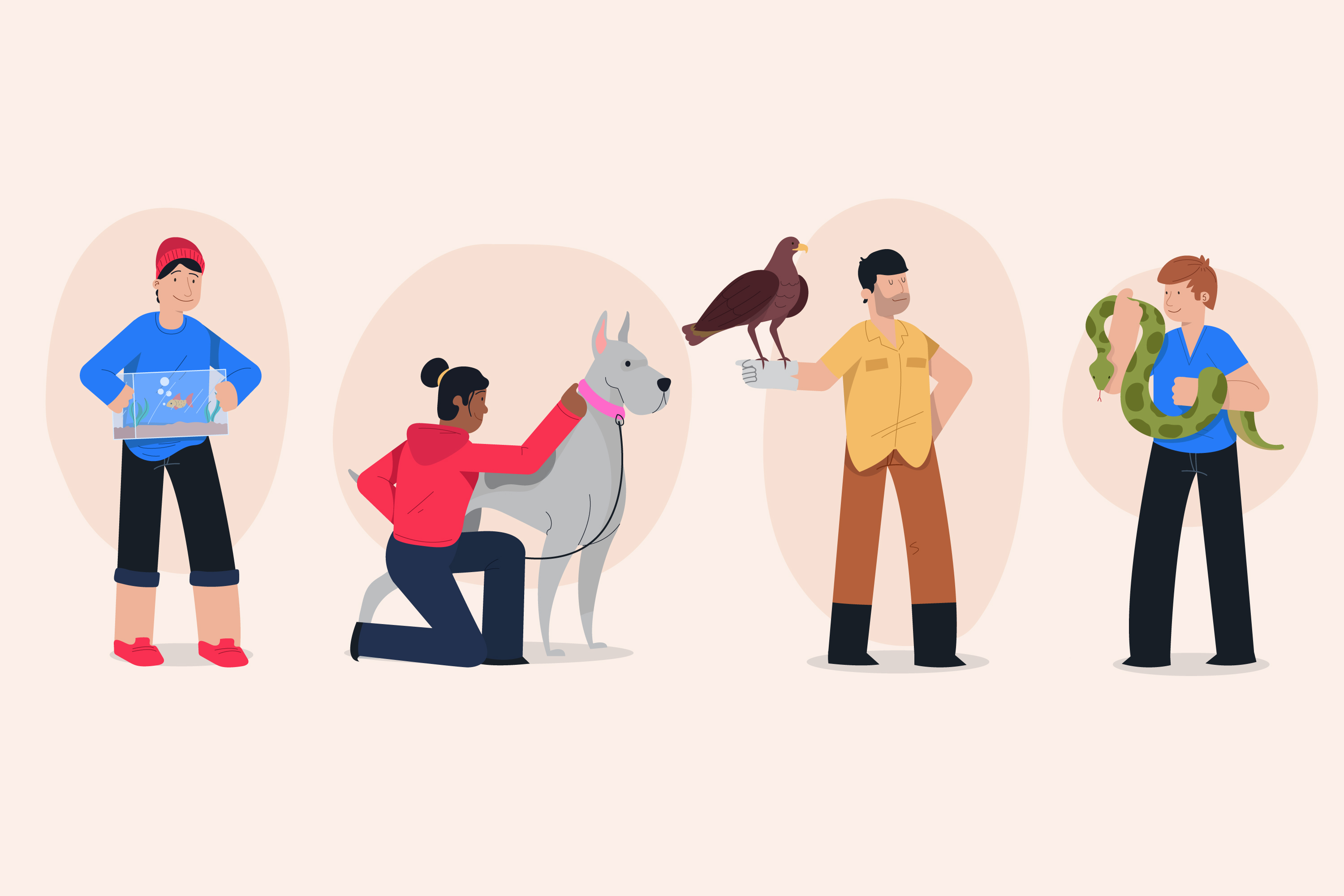
Image by Freepik