By PPH Foundation
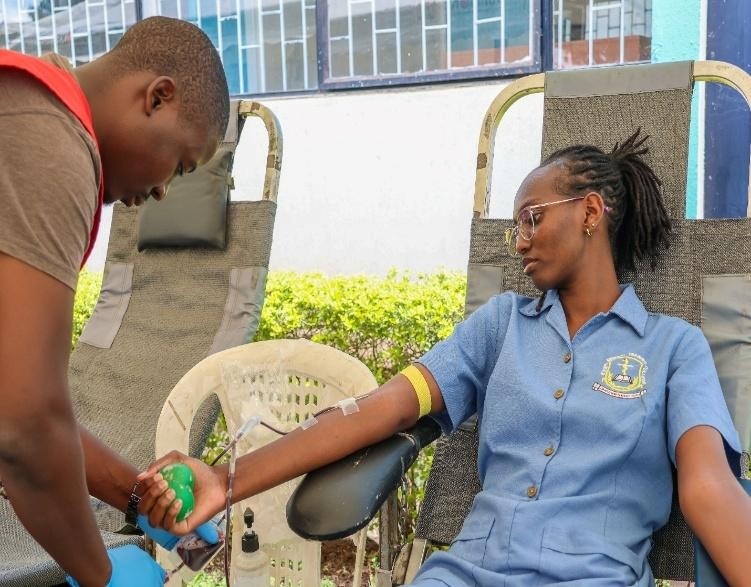
When a mother experiences severe bleeding during childbirth, access to safe blood can become the difference between life and death within a matter of hours. Yet for many women across low- and middle-income countries, obtaining blood during an obstetric emergency remains one of the greatest challenges facing maternal healthcare systems. As the world marks World Blood Donor Day on 14 June under the theme "Give Blood, Give Hope: Together We Save Lives," maternal health experts are calling for stronger blood donation systems as a critical strategy in preventing deaths from postpartum haemorrhage.
Although postpartum haemorrhage can often be prevented and treated, survival depends on the timely availability of essential interventions, including blood transfusion. According to the World Health Organization's Trends in Maternal Mortality Report (WHO, 2025), severe bleeding remains one of the leading direct causes of maternal deaths worldwide, particularly in resource-constrained settings where access to emergency blood products remains limited.
The World Health Organization Recommendations for the Prevention and Treatment of Postpartum Haemorrhage (WHO, 2012) note that women experiencing severe postpartum haemorrhage can die within a matter of hours if appropriate treatment is not immediately available. Blood transfusion remains one of the most important lifesaving interventions for women who experience excessive blood loss during childbirth.
Research continues to demonstrate the central role of blood systems in improving maternal survival. A global modelling study published in The Lancet Haematology by Roberts et al. (2019) found significant inequalities in blood availability across regions, with many low-income countries experiencing substantial shortages despite having some of the highest burdens of maternal haemorrhage. Similarly, Bates and Hassall, writing in BMJ Global Health (2022), observed that weak blood collection systems, inadequate storage capacity, transportation challenges, and fragmented distribution networks continue to undermine emergency maternal care across many countries in sub-Saharan Africa.
Further evidence from Allain and Owusu-Ofori in Transfusion Medicine Reviews (2023) emphasizes that strengthening blood collection, storage, transportation, and distribution systems is essential for reducing preventable deaths associated with obstetric haemorrhage. The authors argue that sustainable blood systems must extend beyond donor recruitment to include reliable supply chains and equitable access for patients in both urban and rural settings.
Prof Julius Ogeng'o, Co-Lead of the End Postpartum Haemorrhage Initiative, says blood donation should be viewed not only as an act of generosity but also as a vital maternal health intervention.
"Every blood donor has the potential to save a mother's life. When postpartum haemorrhage occurs, access to safe blood becomes one of the most important interventions available. Strengthening voluntary blood donation, improving blood distribution systems, and ensuring timely access to blood products are critical steps towards ending preventable maternal deaths," says Prof Ogeng'o.
He notes that addressing maternal deaths from postpartum haemorrhage requires more than increasing blood donations alone. It calls for the development of responsive blood systems capable of ensuring that safe blood reaches mothers when and where it is needed most.
Through the End PPH Initiative's ROAMING Blood Initiative, stakeholders are working towards strengthening a sustainable blood ecosystem that goes beyond traditional blood drives. The initiative seeks to leverage partnerships, data systems, community engagement, technology, and coordinated blood supply mechanisms to improve access to blood and blood products across the country. By connecting blood donors, health facilities, policymakers, and communities, the initiative aims to reduce delays during obstetric emergencies and strengthen preparedness for maternal health crises.
"Blood should not be available only in major cities or during emergencies. We must build a system that ensures every woman, regardless of where she lives, can access lifesaving blood when complications occur. The ROAMING Blood Initiative is helping us move from isolated blood collection efforts towards a more sustainable and responsive blood system," Prof Ogeng'o adds.
Experts further note that strengthening blood systems requires a comprehensive approach that includes regular donor recruitment, public awareness campaigns, blood storage infrastructure, emergency transportation networks, digital tracking systems, and sustained investment by governments and partners. The WHO Regional Office for Africa report on Strengthening Blood Services in Africa (2024) identifies these components as critical for improving maternal and emergency care outcomes across the continent.
As countries work towards achieving Sustainable Development Goal 3 and reducing maternal mortality, World Blood Donor Day serves as a reminder that behind many successful maternal emergency responses is a blood donor whose contribution made survival possible. At the same time, initiatives such as the ROAMING Blood Initiative demonstrate that saving mothers' lives requires more than individual donations. It requires resilient blood systems, coordinated partnerships, and sustained investments that ensure blood is available whenever and wherever it is needed.
For mothers facing postpartum haemorrhage, every donation can save a life, and every strengthened blood system can save many more.
Sources
- World Health Organization. World Blood Donor Day 2026 Campaign: Give Blood, Give Hope: Together We Save Lives. Geneva: World Health Organization; 2026.
- World Health Organization. Blood Safety and Availability Fact Sheet. Geneva: World Health Organization; 2025.
- World Health Organization. Trends in Maternal Mortality 2000–2023. Geneva: World Health Organization; 2025.
- World Health Organization. Recommendations for the Prevention and Treatment of Postpartum Haemorrhage. Geneva: World Health Organization; 2012.
- Roberts N, James S, Delaney M, Fitzmaurice C. The Global Need and Availability of Blood Products: A Modelling Study. The Lancet Haematology. 2019;6(12):e606-e615.
- Bates I, Hassall O. Blood Systems in Sub-Saharan Africa: Challenges and Opportunities. BMJ Global Health. 2022;7:e008380.
- Allain JP, Owusu-Ofori S. Safe Blood for Africa: Addressing Blood Availability and Access in Resource-Limited Settings. Transfusion Medicine Reviews. 2023;37(1):1-9.
- World Health Organization Regional Office for Africa. Strengthening Blood Services in Africa to Improve Maternal and Emergency Care. Brazzaville: WHO Regional Office for Africa; 2024.