
By PPH Foundation
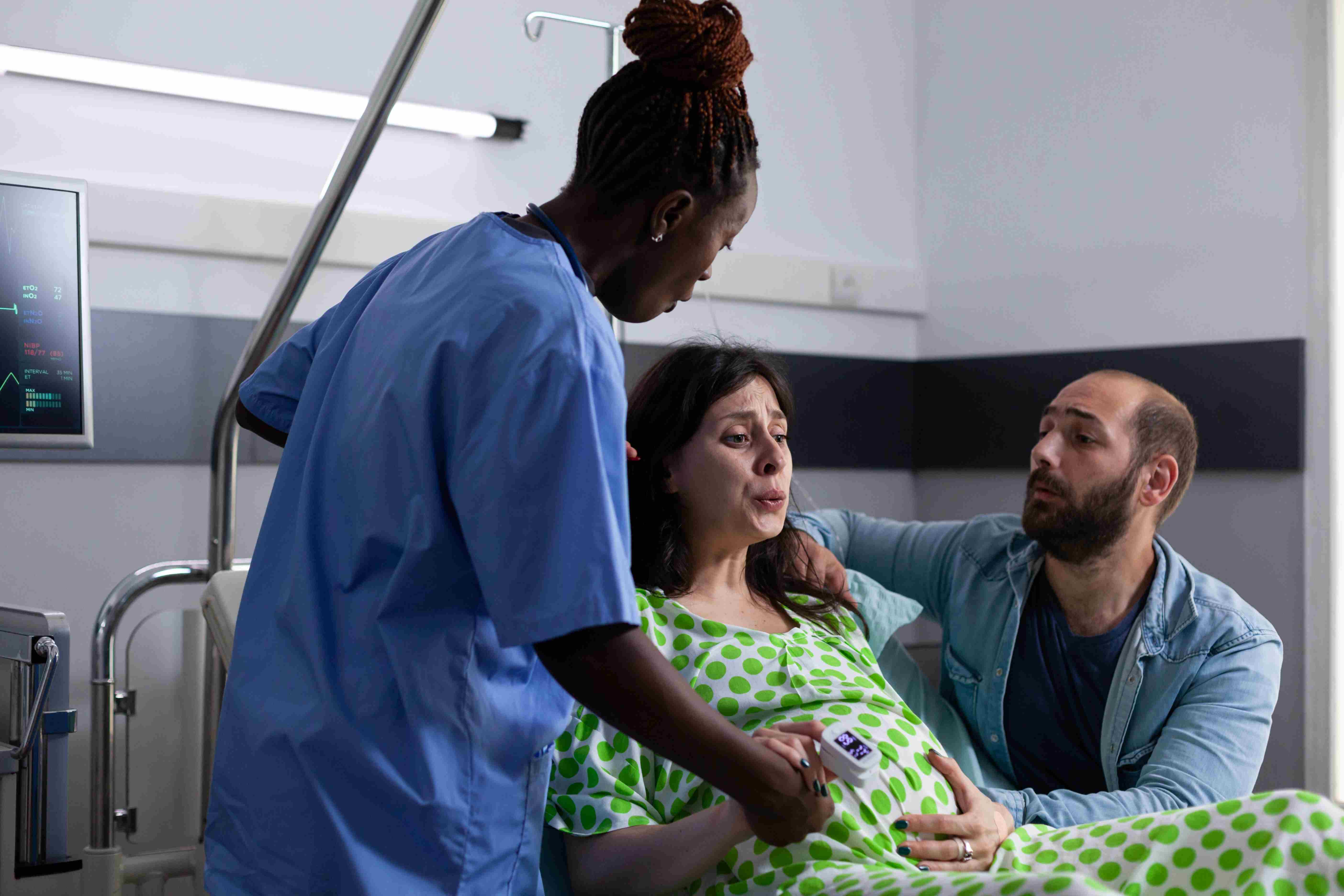
When a woman goes into labour, the person beside her may do more than offer reassurance. A birth companion can provide emotional and practical support, help her communicate with health workers and, importantly, speak up when something does not seem right.
This seemingly simple role could become particularly important when complications such as postpartum haemorrhage, PPH, develop, because recognising that something is wrong and alerting the healthcare team early can help trigger a faster response.
The World Health Organization recommends that women have a companion of their choice during labour and childbirth. According to WHO, continuous support can improve women’s experience of childbirth and may also contribute to better health outcomes. Companions can provide practical and emotional support and help bridge communication gaps between women and healthcare workers.
For Dr Eunice Atsali, a midwife, Co-Lead of the End Postpartum Haemorrhage Initaitive and PPH survivor, the importance of having people who understand what to look for during childbirth is personal.
Dr Atsali experienced severe PPH following the birth of her second child. Recalling the experience, she described the frightening moment when she realised she was losing blood and how quickly her condition deteriorated. Her experience has since strengthened her commitment to improving the prevention and management of PPH.
Her story also offers an important lesson for families: even someone who is not a health professional can play a useful supporting role when a woman is giving birth.
A birth companion may notice that a woman suddenly looks unusually pale, becomes weak or dizzy, complains of feeling faint, becomes confused or says that she feels something is seriously wrong. They may also notice heavy bleeding after delivery or observe a change in the woman's condition before the situation becomes obvious to everyone else.
These observations should never replace clinical assessment. But they can prompt an important action: alerting the healthcare team immediately.
This matters because PPH can progress rapidly. WHO’s 2025 Consolidated Guidelines for the Prevention, Diagnosis and Treatment of Postpartum Haemorrhage emphasise early recognition and timely treatment, noting that lifesaving interventions may be delayed when PPH is not identified promptly.
The role of the birth companion, therefore, is not to diagnose PPH, administer medicines or decide what treatment a woman needs. Those responsibilities belong to trained health professionals.
Instead, the companion can become an extra set of eyes and ears.
They can tell a nurse or midwife, “She is bleeding more than before,” “She says she feels faint,” or “Something has changed.” They can help the woman communicate her concerns when she is exhausted, frightened or unable to speak for herself. They can also help ensure that important information is not lost during a busy or stressful moment.
WHO’s evidence on birth companionship shows that companions can help bridge communication gaps between women and healthcare workers. This is particularly relevant during childbirth, when women may be experiencing pain, anxiety or fatigue and may find it difficult to communicate everything they are experiencing.
For Dr Atsali, the lesson extends beyond the delivery room. Maternal survival depends on having skilled health workers who can recognise complications and respond quickly, but it also depends on creating an environment in which women are listened to and their concerns are taken seriously.
A recent End PPH Foundation article featuring Dr Atsali highlighted the importance of adequate numbers of skilled midwives, noting that when midwives and skilled birth attendants are unavailable or overworked, critical signs can be missed and opportunities for lifesaving care can be lost.
That makes the birth companion part of a much bigger picture.
A companion cannot replace a midwife. A midwife cannot replace an emergency obstetric team. And a family member cannot replace a blood bank, an operating theatre or a functioning referral system.
But when these pieces work together, a woman has more layers of protection.
The companion can notice and speak up. The midwife or other skilled provider can assess and act. The facility can provide the medicines, blood, equipment and emergency care required. If higher-level care is needed, a functioning referral system can move the woman quickly to where she can receive it.
This is why birth companionship should not be viewed simply as having someone in the room for comfort. It can be part of respectful, woman-centred maternity care.
WHO’s recommendations on intrapartum care recognise a companion of choice as part of quality childbirth care, while its latest PPH guidelines emphasise the importance of early recognition and timely treatment of bleeding after birth. Together, these approaches point to a simple principle: women should not have to face childbirth emergencies alone, and systems should be designed to respond quickly when something goes wrong.
For families preparing for childbirth, the message is straightforward: if the facility allows it, consider choosing someone you trust to accompany you. That person should understand that their role is to support you, listen to you, communicate your concerns and alert health workers when something changes.
They do not need to know how to treat PPH.
They simply need to know that when a woman says something is wrong, it is worth speaking up.
Sometimes, being the person who notices, asks and alerts the health worker may be the first step towards getting a mother the help she needs.
Sources
World Health Organization, 2025. Consolidated guidelines for the prevention, diagnosis and treatment of postpartum haemorrhage.
World Health Organization, 2020. Every woman’s right to a companion of choice during childbirth.
World Health Organization, 2018. Intrapartum care for a positive childbirth experience.
World Health Organization, 2023. Recommendations on the assessment of postpartum blood loss and use of a treatment bundle for postpartum haemorrhage.
Image by DC Studio on Magnific</a>