By PPH Foundation
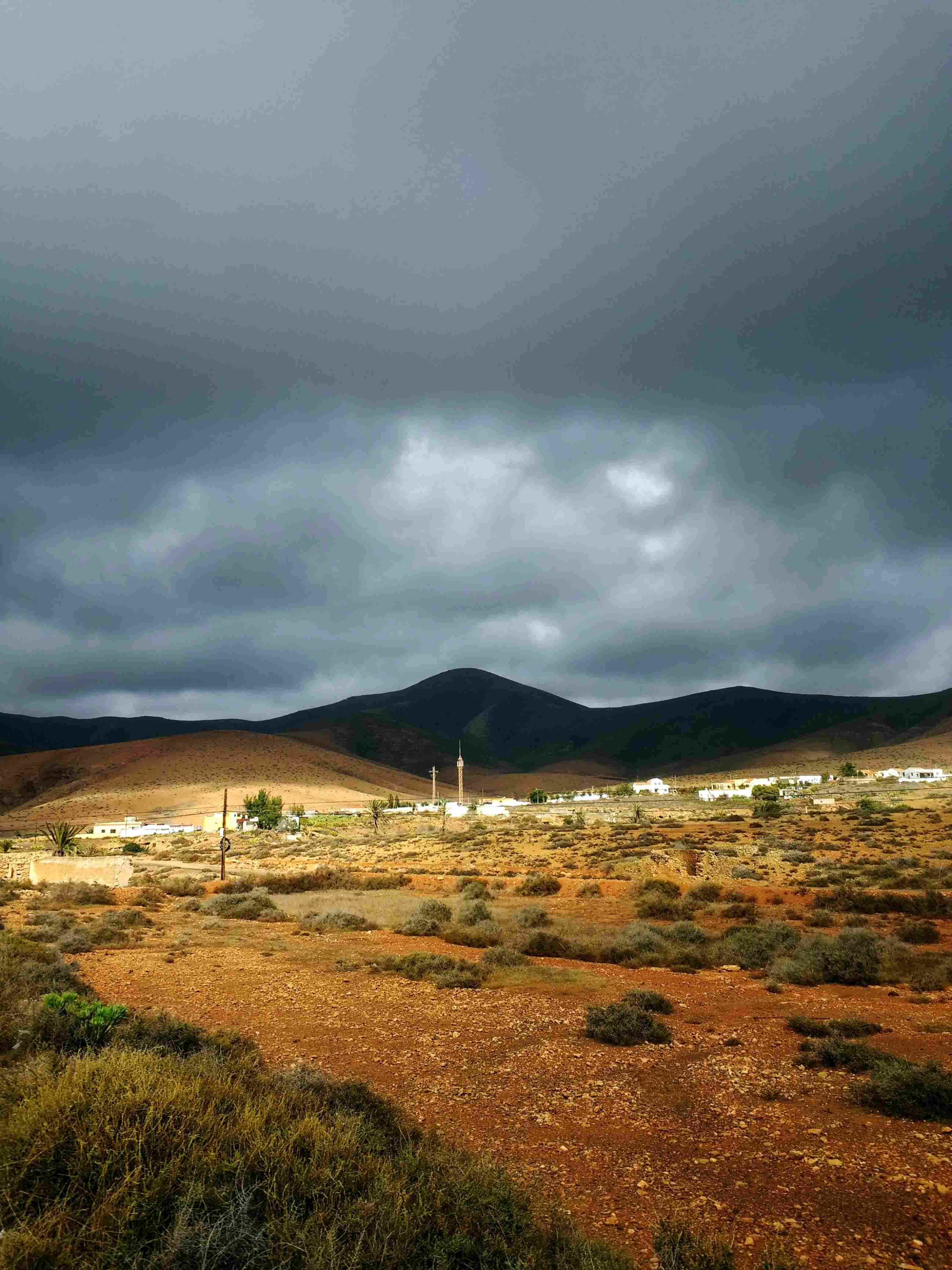
As Kenya experiences increasingly unpredictable weather, with cold mornings giving way to intense afternoon heat and temperatures fluctuating from one day to the next, attention is turning to how these changes affect pregnant women and their risk of postpartum haemorrhage (PPH). Emerging research from sub-Saharan Africa identifies climate-related exposures, including temperature fluctuations and extreme heat, among environmental factors associated with adverse maternal outcomes, including PPH.
A scoping review published in The Journal of Climate Change and Health in September 2026 examined 51 documents on climate change and maternal and child health across sub-Saharan Africa. The review identified associations between climate-related exposures and several maternal outcomes, including postpartum haemorrhage and hypertensive disorders. It also found that extreme weather events can interfere with access to healthcare, making climate change an important consideration in maternal health planning.
These findings reinforce the need to look beyond the immediate effects of weather and consider how environmental stress affects women throughout pregnancy, childbirth and the period immediately after delivery.
High temperatures place additional demands on the body. Research published in Nature Medicine in 2025 reviewed 198 studies from 66 countries and found that heat exposure was associated with several adverse maternal, fetal and neonatal outcomes, including increased risks of preterm birth and some obstetric complications. Heat exposure can also increase maternal heart rate and body temperature, while prolonged exposure may contribute to dehydration and exhaustion. These effects are particularly concerning for pregnant women who work outdoors, perform physically demanding tasks or have limited access to drinking water, shade and adequate rest.
The connection with PPH becomes especially important when considering the condition's established risk factors and the need for a timely emergency response. A major systematic review and meta-analysis published in The Lancet in 2025 analyzed 327 studies involving more than 847 million women. It identified anaemia, previous PPH, caesarean birth, sepsis, multiple pregnancy, placenta praevia and several other obstetric conditions among the factors associated with increased PPH risk. The review reinforces that PPH develops through multiple clinical pathways, making prevention, early recognition and prompt treatment essential.
Climate-related pressures can compound existing vulnerabilities. Drought and changing rainfall patterns can affect food production, household resources and access to adequate nutrition. Flooding and other extreme weather events can damage roads, interrupt transport and make it harder for women to reach health facilities. When these disruptions affect antenatal appointments, planned deliveries, referrals or access to emergency obstetric care, women may face additional risks at a time when timely clinical support is essential.
For women who develop PPH, rapid access to skilled health workers, medicines and blood transfusion services can be lifesaving. Climate-related disruption therefore matters not only because of the conditions women experience during pregnancy, but also because it can affect whether essential care is available when complications arise.
Research from Kenya adds a local dimension to this discussion. A 2025 study published in The Journal of Climate Change and Health, using data from Aga Khan University Hospital in Mombasa, examined heat exposure in relation to maternal, perinatal and neonatal outcomes. Some heat-exposure measures were associated with caesarean deliveries and low birth weight. The findings support closer attention to heat and maternal health in Kenya, alongside the wider regional evidence linking climate-related exposures with PPH.
Prof Julius Ogeng’o, Professor at the University of Nairobi and a Co-Lead of the End Postpartum Haemorrhage Initiative, emphasises the importance of considering environmental conditions as part of a broader maternal health response.
“Changing weather patterns are an important public health concern because their effects extend beyond the environment into the conditions in which women experience pregnancy and childbirth. Emerging evidence from sub-Saharan Africa links climate-related exposures, including extreme heat and temperature fluctuations, with adverse maternal outcomes, including postpartum haemorrhage. This calls for greater attention to climate resilience in maternal health planning. Protecting mothers means strengthening the care they receive during pregnancy, ensuring that health facilities remain accessible during extreme weather and maintaining the medicines, trained personnel and blood supplies needed to respond to emergencies. Climate preparedness must be part of our wider effort to prevent avoidable maternal deaths.”
For pregnant women, practical measures can help reduce the effects of heat exposure. Drinking adequate fluids, resting during the hottest part of the day, limiting strenuous activity in extreme heat and seeking a cool, well-ventilated environment can help reduce heat stress. Women should continue attending antenatal appointments and promptly seek medical care for concerning symptoms. After childbirth, heavy bleeding, faintness, severe weakness or other signs of deterioration require urgent medical attention.
Health facilities and maternal health programmes also have a role to play. Climate-resilient maternity services need reliable water and electricity, safe storage and transport of blood and medicines, functioning referral systems and emergency teams able to respond promptly. County health systems can incorporate local weather risks into preparedness plans, particularly in areas vulnerable to flooding, drought, extreme heat or transport disruption.
The evidence increasingly places climate change within the wider conversation on maternal health in Africa. While PPH remains an obstetric emergency with established clinical causes and risk factors, emerging regional research indicates that climate-related exposures deserve attention as part of the wider set of conditions affecting maternal vulnerability and access to care.
For the EndPPH effort, this connection reinforces a practical priority: climate preparedness should strengthen existing measures to prevent, recognise and treat postpartum haemorrhage. Every woman must be able to access quality maternity care and timely emergency treatment, whatever the weather.
References
- Fadeyi, O., Igbokwe, U., Sampson, I., Raheem, O., Ezeogu, E., Omidiran, Y., Adetunde, O., & Aigbogun, E. (2026). “The impact of climate change on maternal and child health outcomes in sub-Saharan Africa: A five-year (2020–2024) scoping review.” The Journal of Climate Change and Health, 31, 100723. https://doi.org/10.1016/j.joclim.2026.100723
- Lakhoo, D. P., et al. (2025). “A systematic review and meta-analysis of heat exposure impacts on maternal, fetal and neonatal health.” Nature Medicine, 31, 684–694. https://doi.org/10.1038/s41591-024-03395-8
- Yunas, I., Islam, M. A., Sindhu, K. N., et al. (2025). “Causes of and risk factors for postpartum haemorrhage: A systematic review and meta-analysis.” The Lancet, 405(10488), 1468–1480. https://doi.org/10.1016/S0140-6736(25)00448-9
- “The influence of heat exposure on birth and neonatal outcomes in Mombasa, Kenya: A pooled time series analysis.” (2025). The Journal of Climate Change and Health, 22, 100409. https://doi.org/10.1016/j.joclim.2024.100409
- World Health Organization. (2025). Consolidated guidelines for the prevention, diagnosis and treatment of postpartum haemorrhage. https://www.who.int/publications/i/item/9789240115637
- ">Image by wirestock on Magnific</a>