By PPH Foundation
Uterine fibroids are among the most common benign tumours affecting women of reproductive age. While many women with fibroids have healthy pregnancies and uncomplicated births, fibroids can increase the likelihood of caesarean delivery, which in turn is associated with a higher risk of postpartum haemorrhage. As postpartum haemorrhage remains the leading cause of maternal mortality worldwide, understanding how fibroids influence pregnancy and childbirth is essential for ensuring safer deliveries and improving maternal outcomes, in line with the World Health Organization's recommendations for the prevention and management of postpartum haemorrhage, World Health Organization, 2023.
Stewart et al., 2017 describe uterine fibroids, also known as leiomyomas, as benign smooth muscle tumours of the uterus that vary in size, number and location. Depending on where they are located, fibroids may interfere with the normal progression of labour by obstructing the birth canal, causing abnormal fetal positioning or preventing effective uterine contractions. These complications often increase the need for operative delivery, particularly caesarean section.
Wang et al., 2024, in a comprehensive systematic review and meta-analysis involving more than 237,000 pregnancies, found that women with uterine fibroids had significantly higher rates of caesarean birth, breech presentation, placenta previa, preterm birth and postpartum haemorrhage than women without fibroids. The review further demonstrated that larger fibroids were associated with an even greater risk of adverse obstetric outcomes, underscoring the importance of careful antenatal monitoring and individualized delivery planning.
Although caesarean section is a safe and often life-saving procedure, it carries a higher risk of blood loss than vaginal birth. This risk may be amplified in women with fibroids because the surgery can be technically more challenging. Large fibroids may distort the normal anatomy of the uterus, making it difficult to access the baby or safely close the uterus after delivery. In some cases, fibroids interfere with effective uterine contraction after birth, increasing the likelihood of uterine atony, the leading cause of postpartum haemorrhage.
Recent research continues to reinforce this association. A 2025 retrospective cohort study found that uterine fibroids remained an independent predictor of both postpartum haemorrhage and caesarean delivery after adjusting for maternal age, parity and other pregnancy-related factors. The findings highlight the importance of identifying women with fibroids early in pregnancy and ensuring they receive individualized care throughout the antenatal period and during childbirth.
According to Dr. Kireki Omanwa, President of the Kenya Obstetrical and Gynaecological Society and Co-Lead of the End Postpartum Haemorrhage Initiative, the presence of fibroids should never cause unnecessary alarm but should encourage careful preparation.
"Most women with fibroids will go on to have successful pregnancies and healthy babies. However, fibroids can increase the complexity of labour and delivery depending on their size and location. This is why comprehensive antenatal assessment is essential. Healthcare providers should identify women who may require closer monitoring, develop individualized birth plans and ensure delivery takes place in facilities equipped to manage obstetric emergencies, including postpartum haemorrhage."
He notes that preparedness is especially important for women who may require caesarean birth.
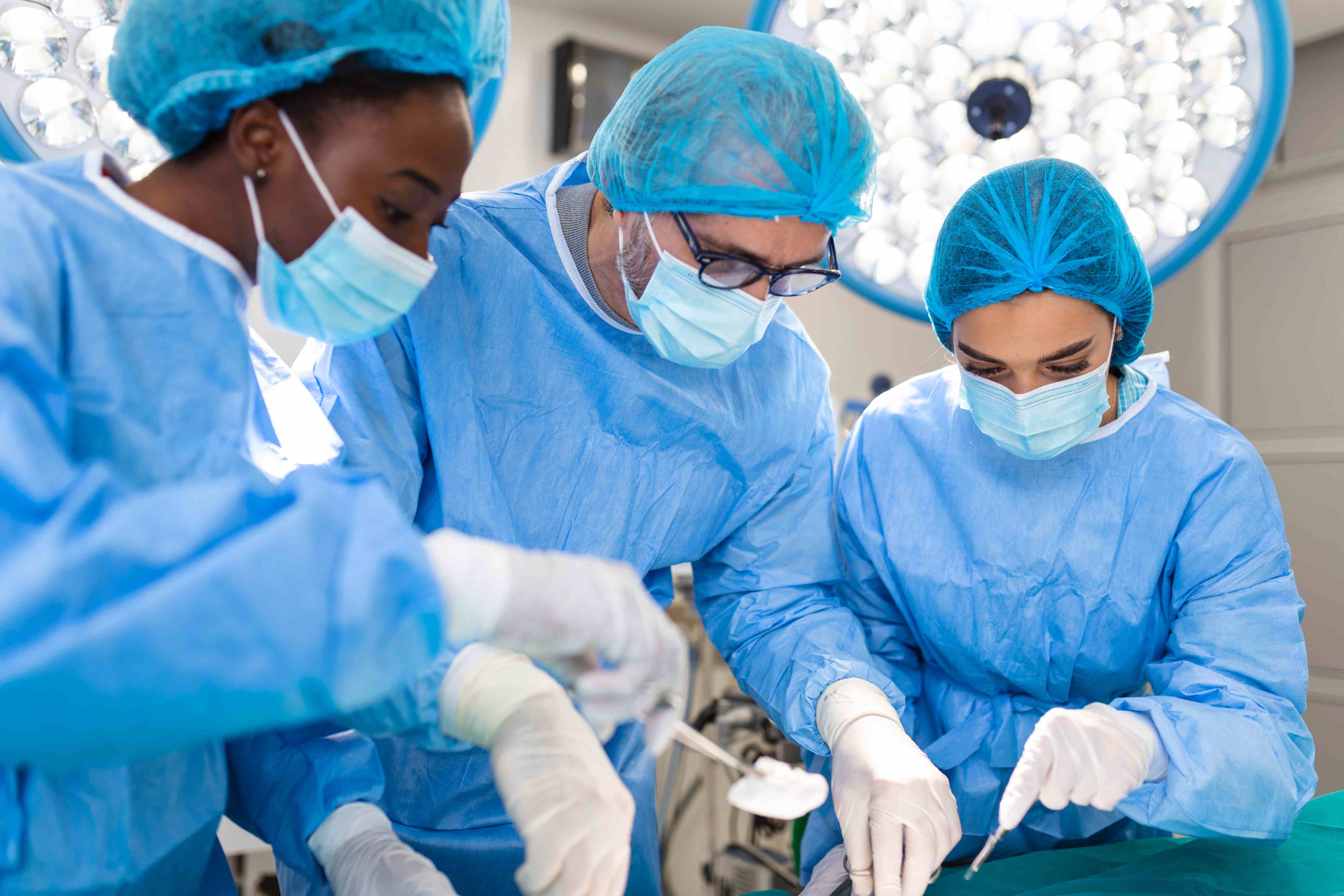
"When a caesarean section is anticipated in a woman with significant fibroids, every effort should be made to ensure the facility is fully prepared. This includes the availability of experienced obstetric teams, essential uterotonic medicines, tranexamic acid, functioning operating theatres, adequate blood and blood products, and clear emergency protocols. Good planning before delivery significantly improves outcomes for both mother and baby."
Women diagnosed with fibroids during pregnancy should attend all scheduled antenatal care visits and undergo recommended ultrasound examinations to monitor the growth and position of the fibroids. These assessments help clinicians determine whether the fibroids are likely to affect labour, the baby's position or the mode of delivery. They also provide an opportunity to counsel mothers on birth preparedness and identify the most appropriate health facility for delivery.
The World Health Organization, 2023 recommends that every woman giving birth should have access to evidence-based interventions for the prevention and management of postpartum haemorrhage, including prophylactic uterotonics during the third stage of labour, early recognition of excessive blood loss and timely access to emergency obstetric care. For women with fibroids who may be at increased risk, these interventions become even more critical.
Importantly, fibroids should not discourage women from becoming pregnant or create unnecessary fear. Instead, they highlight the importance of early diagnosis, regular antenatal care and individualized delivery planning. With appropriate monitoring, skilled obstetric care and hospital preparedness, most women with fibroids can experience safe pregnancies and successful births while minimizing the risk of postpartum haemorrhage.
References
Stewart, E. A., Cookson, C. L., Gandolfo, R. A., & Schulze-Rath, R. 2017. Epidemiology of uterine fibroids: A systematic review. BJOG: An International Journal of Obstetrics and Gynaecology.
Wang, Y., et al. 2024. The influence of uterine fibroids on adverse outcomes in pregnant women: A systematic review and meta-analysis. BMC Pregnancy and Childbirth.
World Health Organization. 2023. WHO recommendations for the prevention and treatment of postpartum haemorrhage. Geneva: World Health Organization.
Image by stefamerpik on Magnific</a>