By PPH Foundation
A plate of food may seem far removed from a maternity ward, yet the safety and quality of what women eat during pregnancy can have a profound influence on their ability to survive childbirth. As the world marked World Food Safety Day 2026 under the theme "From Burden to Solutions – Safe Food Everywhere," growing evidence suggests that food safety is not only a nutrition issue but also a maternal health priority with important implications for postpartum haemorrhage prevention.
Unsafe food remains a major global public health challenge. According to the World Health Organization, an estimated 600 million people fall ill from contaminated food each year, resulting in approximately 420,000 deaths worldwide (WHO, 2026). Foodborne illnesses can cause diarrhoeal disease, infections, poor nutrient absorption, and malnutrition, conditions that are particularly harmful during pregnancy when nutritional demands are significantly increased.
Researchers have increasingly highlighted the interconnected relationship between food safety, food security, nutrition, and maternal health. Repeated exposure to contaminated food and water can contribute to infections and nutritional deficiencies that increase the risk of iron deficiency anaemia. Anaemia remains one of the most important underlying risk factors for adverse maternal outcomes, including complications associated with postpartum haemorrhage (Young et al., British Journal of Haematology, 2017).
The World Health Organization estimates that nearly 37 percent of pregnant women globally are anaemic (WHO, 2024). Evidence from a pooled analysis published in The Lancet Haematology found that anaemia continues to affect hundreds of millions of women and girls worldwide, with the burden disproportionately concentrated in low- and middle-income countries where food insecurity, infectious diseases, poor dietary diversity, and unsafe food environments remain common (Stevens et al., The Lancet Haematology, 2022).
This relationship becomes particularly important during childbirth. A systematic review and meta-analysis published in the BMJ demonstrated that maternal anaemia is associated with adverse pregnancy outcomes and reduces a woman's physiological reserve during obstetric emergencies (Haider et al., BMJ, 2013). When excessive bleeding occurs after delivery, women with low haemoglobin levels have less capacity to compensate for blood loss, increasing the likelihood of severe complications and death.
Dr Eunice Atsali, Vice President of the Midwives Association of Kenya and Co-Lead of the End Postpartum Haemorrhage Initiative, says food safety should be recognized as an important pillar of maternal health.
"As we mark World Food Safety Day, it is important to recognize that food safety is also a maternal health issue. Unsafe food can contribute to infections, poor nutrition, and anaemia during pregnancy. When a woman develops postpartum haemorrhage, these underlying conditions can significantly reduce her chances of recovery. Ensuring that women have access to safe and nutritious food before, during, and after pregnancy is an important step towards preventing avoidable maternal deaths."
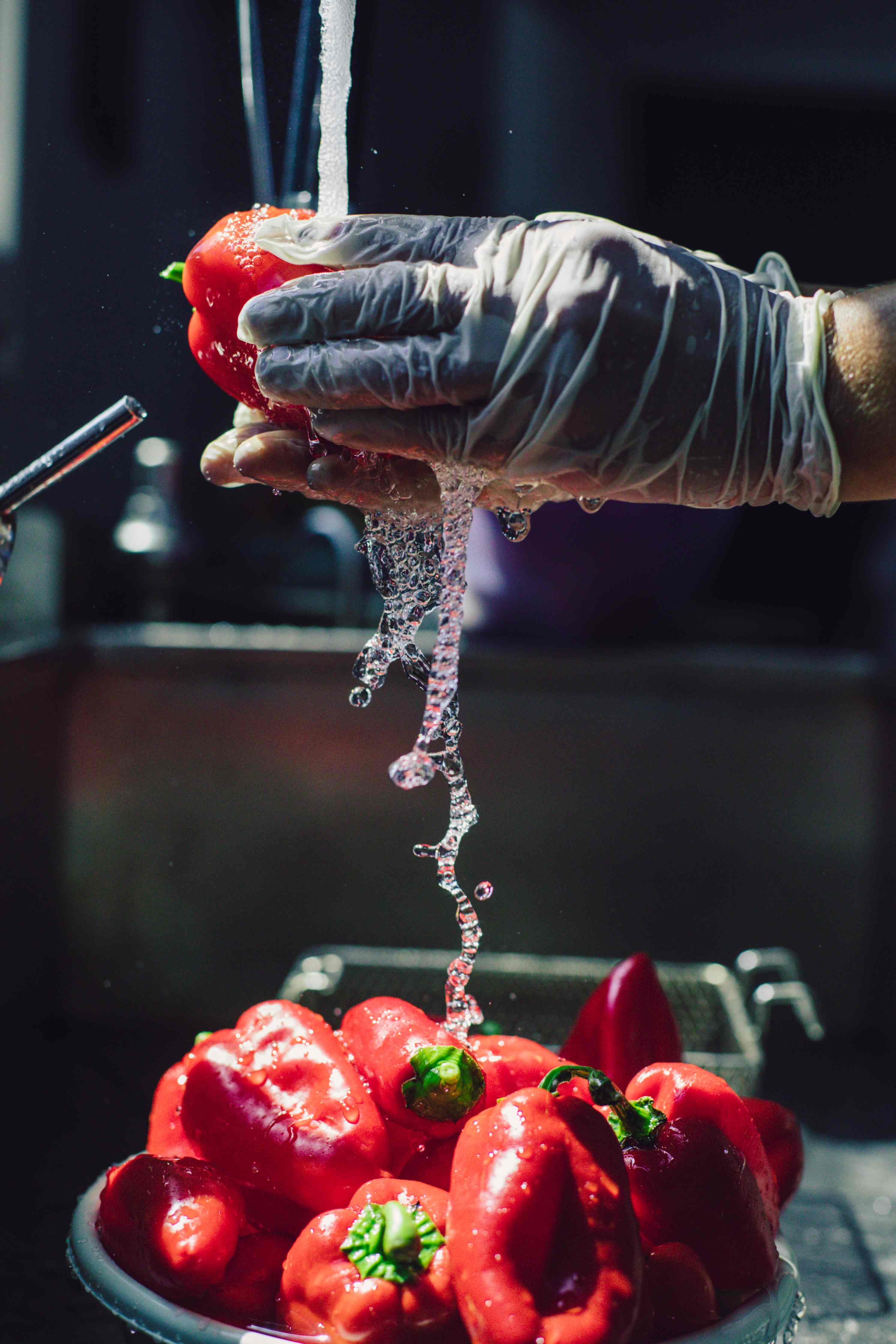
Experts note that food safety extends far beyond preventing food poisoning. It includes safe food handling, proper storage, clean water, sanitation, strengthened food systems, and nutrition education. Together, these interventions help reduce infections, improve nutritional status, and protect pregnant women from conditions that increase vulnerability to postpartum haemorrhage.
The World Food Safety Day theme challenges governments, health systems, researchers, communities, and households to move beyond understanding the burden of unsafe food and focus on practical solutions. For maternal health advocates, this means recognizing that preventing postpartum haemorrhage begins long before labour starts. It begins with ensuring that every woman has access to safe, nutritious food throughout pregnancy and the postpartum period.
As countries work towards achieving Sustainable Development Goal 3 and ending preventable maternal deaths, investments in food safety, maternal nutrition, and anaemia prevention remain essential strategies for protecting mothers and strengthening efforts to end postpartum haemorrhage.
Sources
- World Health Organization. World Food Safety Day 2026: From Burden to Solutions – Safe Food Everywhere. Geneva: World Health Organization; 2026.
- World Health Organization. Food Safety Fact Sheet. Geneva: World Health Organization; 2026.
- World Health Organization. Anaemia in Women and Children: Global Health Estimates. Geneva: World Health Organization; 2024.
- Stevens GA, Paciorek CJ, Flores-Urrutia MC, Borghi E, Namaste S, Wirth JP, et al. National, regional, and global estimates of anaemia by severity in women and children for 2000–2021: a pooled analysis of population-representative data. The Lancet Haematology. 2022;9(9):e627-e639.
- Food and Agriculture Organization of the United Nations, World Health Organization. World Food Safety Day Campaign Materials and Theme Launch. Rome and Geneva: FAO/WHO; 2025.
- Young MF, Oaks BM, Tandon S, Martorell R, Dewey KG, Wendt AS. Safety and Benefits of Antenatal Oral Iron Supplementation in Low-Income Countries. British Journal of Haematology. 2017;177(6):884–895.
- Haider BA, Olofin I, Wang M, Spiegelman D, Ezzati M, Fawzi WW. Anaemia, Prenatal Iron Use, and Risk of Adverse Pregnancy Outcomes: Systematic Review and Meta-Analysis. BMJ. 2013;346:f3443.
- Image by azerbaijan_stockers on Magnific</a>