By PPH Foundation
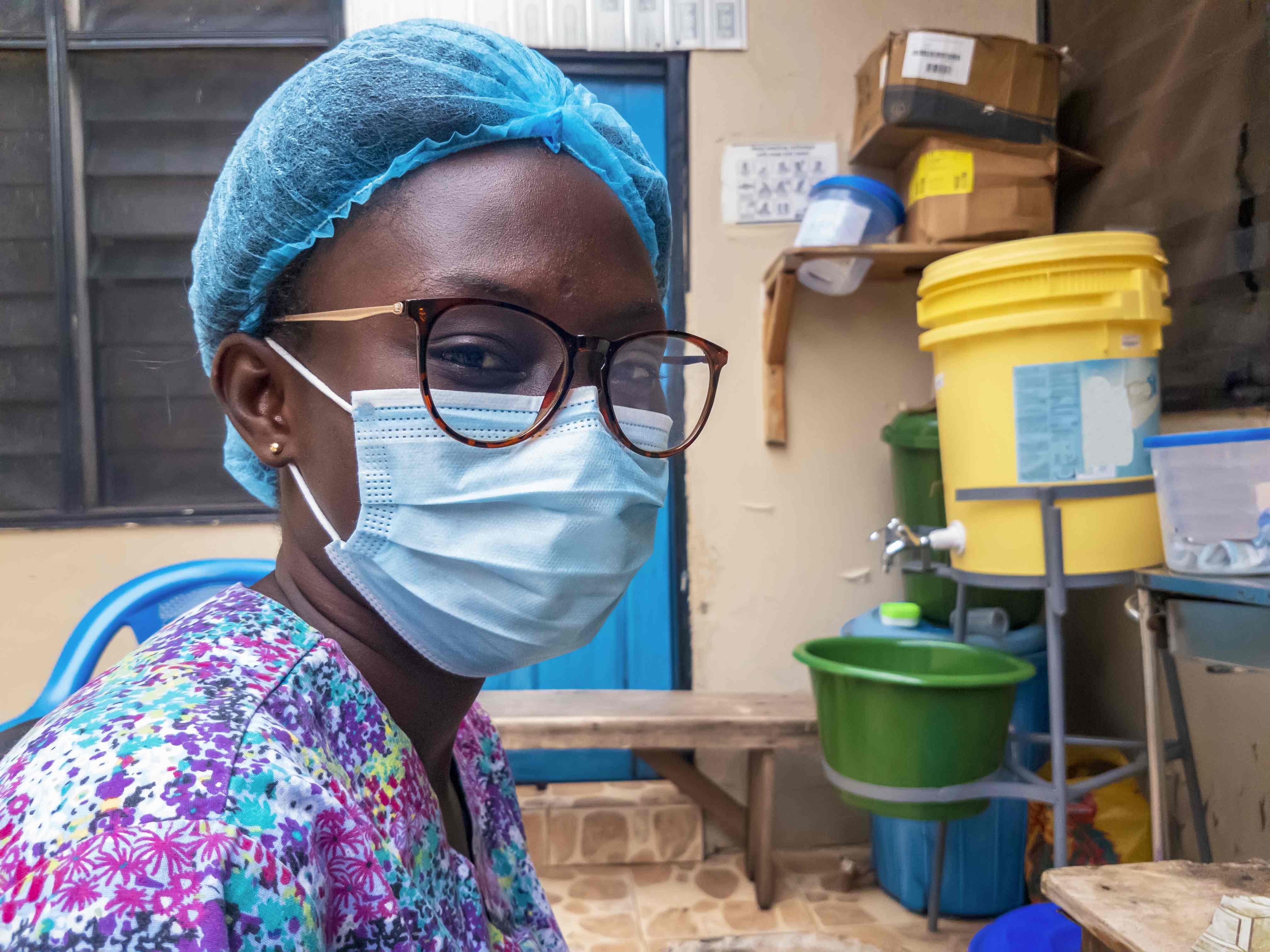
When a woman develops postpartum haemorrhage, healthcare workers must act immediately. Medicines need to be administered, blood loss monitored, surgical interventions may be required, and infection prevention measures must be maintained throughout the emergency. Yet in many health facilities across low- and middle-income countries, one basic resource remains unreliable: water.
While discussions on postpartum haemorrhage often focus on blood products, medicines, and skilled personnel, maternal health experts are increasingly highlighting water shortages as a hidden but significant threat to safe maternity care. Without reliable water supplies, health workers struggle to maintain hygiene, sterilize equipment, clean delivery rooms, perform emergency procedures, and prevent infections that can complicate childbirth and postpartum recovery.
The relationship between water access and maternal health is well established. The World Health Organization and UNICEF report that millions of women continue to give birth in facilities lacking adequate water, sanitation, and hygiene services. Globally, one in four healthcare facilities lacks basic water services, while many others experience intermittent water supply interruptions that affect quality of care. These challenges are particularly concerning during childbirth, where infection prevention and emergency obstetric care depend heavily on access to clean water.
Research continues to demonstrate that inadequate water, sanitation, and hygiene infrastructure contributes to healthcare-associated infections, poor patient outcomes, and reduced quality of maternal care. A 2024 systematic review examining WASH services in healthcare facilities found persistent gaps in water access across many health systems, particularly in low-resource settings where maternal mortality remains high.
For women experiencing postpartum haemorrhage, these gaps can have serious consequences. Emergency interventions often require rapid blood transfusions, surgical procedures, frequent patient monitoring, and strict infection prevention practices. Water shortages can compromise hand hygiene, environmental cleaning, equipment sterilization, and overall emergency preparedness. Health experts warn that facilities unable to guarantee continuous water access are less equipped to manage obstetric emergencies effectively.
Recent global assessments further show that healthcare facilities lacking basic water and hygiene services place mothers and newborns at significantly higher risk of infection and adverse outcomes. According to WHO and UNICEF, safe childbirth cannot be achieved without reliable access to water, sanitation, hygiene, and waste management systems.
Prof Julius Ogeng’o, Co-Lead of the End Postpartum Haemorrhage Initiative, says access to water should be viewed as a critical component of emergency obstetric care rather than merely an infrastructure issue.
“Every discussion about postpartum haemorrhage preparedness must include water. A maternity ward cannot effectively manage obstetric emergencies without reliable water for infection prevention, emergency procedures, environmental cleaning, and patient care. When water systems fail, maternal care is compromised, and mothers become more vulnerable during some of the most critical moments of childbirth,” says Prof Ogeng’o.
He notes that strengthening maternal health systems requires investments beyond medicines and equipment alone. Functional water systems, sanitation infrastructure, hygiene facilities, reliable electricity, trained healthcare workers, blood availability, and emergency response mechanisms must all work together to create a safe environment for mothers and newborns.
As countries continue working towards reducing maternal mortality, experts are calling for greater investment in climate-resilient health facilities capable of maintaining essential services during droughts, water shortages, and other disruptions. The evidence is increasingly clear: improving access to clean water in maternity units is not simply a public health goal—it is a lifesaving intervention that can strengthen the response to postpartum haemorrhage and help prevent avoidable maternal deaths.
Sources
- World Health Organization and UNICEF. WASH in Health Care Facilities: Global Baseline Report 2019. Geneva: WHO and UNICEF; 2019.
- World Health Organization. Water, Sanitation, Hygiene, Environmental Cleaning and Waste Management in Health Care Facilities: 2023 Data Update and Special Focus on Primary Health Care. Geneva: WHO; 2025.
- World Health Organization. WHO Global Water, Sanitation and Hygiene Annual Report 2024. Geneva: WHO; 2025.
- Albalawi A, et al. A Comprehensive Evaluation of Water, Sanitation and Hygiene in Health Facilities: A Systematic Review and Meta-analysis. Journal of Hospital Infection. 2024;151:116–130.
- Purwandari R, Daniel D, Hafidz F. Analysis of Water, Sanitation, and Hygiene Facilities Using the WASH-FIT Approach and Its Relation to Patient Satisfaction and Maternal Mortality at Hospitals in Indonesia. Frontiers in Public Health. 2024;12:1322470.
- UNICEF Data. WASH in Health Care Facilities and Progress Towards SDG Targets on Maternal and Newborn Health. UNICEF; 2024.
- World Health Organization and UNICEF. Half of Health Care Facilities Globally Lack Basic Hygiene Services. Geneva: WHO and UNICEF; 2022.
- Image by wirestock on Magnific</a>