By PPH Foundation
As the world marks Menstrual Hygiene Day on 28 May, health experts are drawing attention to the growing link between heavy menstrual bleeding, anaemia, and future pregnancy complications associated with postpartum haemorrhage, one of the leading causes of maternal deaths globally.
Medical evidence continues to show that heavy menstrual bleeding remains one of the major contributors to iron deficiency and anaemia among adolescent girls and women of reproductive age. Anaemia weakens the body’s ability to tolerate blood loss during childbirth, significantly increasing the risk of severe complications when postpartum haemorrhage occurs. According to the World Health Organization, anaemia continues to affect nearly 37 percent of pregnant women globally, with menstruating girls and women remaining among the most vulnerable populations.
Global health agencies further warn that poor menstrual health management, delayed treatment for heavy bleeding, poor nutrition, and lack of reproductive health education continue to place millions of girls at risk long before pregnancy begins. UNICEF notes that menstrual health challenges continue to affect dignity, mobility, education, and long-term wellbeing for girls and women worldwide.
Recent maternal health discussions are increasingly recognising menstrual health as part of the broader maternal health continuum, especially in low-resource settings where anaemia, malnutrition, adolescent pregnancy, and poor access to reproductive healthcare remain common. UNICEF further reports that adolescent girls who face unmet menstrual health needs often experience barriers to education, healthcare access, and future reproductive wellbeing.
Dr Laura Oyiengo, Health Specialist, Maternal and Newborn Health at UNICEF Kenya, has consistently emphasized the importance of quality maternal care and early recognition of health risks among women and girls.
“Quality health care begins with the mother and baby receiving the highest level of care during pregnancy, delivery, and the postnatal period,” says Dr Laura Oyiengo in a UNICEF Kenya maternal health feature. She further emphasizes the need for women to recognize danger signs early and seek timely care.
Prof Moses Obimbo, Project Lead of the End Postpartum Haemorrhage Initiative, says menstrual health must increasingly be viewed as part of long-term maternal health prevention.
“Heavy menstrual bleeding and untreated anaemia can silently increase risks during pregnancy and childbirth. Strengthening menstrual health education, early screening, nutrition, and access to care is essential in reducing preventable complications linked to postpartum haemorrhage,” says Prof Obimbo.
Health experts continue to call for stronger investments in menstrual health education, adolescent nutrition, iron supplementation, reproductive health services, and early treatment for heavy menstrual bleeding as part of broader strategies to improve maternal health outcomes and reduce preventable maternal deaths.
Sources
- World Health Organization. Anaemia. Geneva: World Health Organization; 2025.
- World Health Organization. Adolescent and Women’s Nutrition and Anaemia Prevention Guidelines. Geneva: WHO; 2024.
- United Nations Children’s Fund. Guidance on Menstrual Health and Hygiene. New York: UNICEF; 2024.
- United Nations Children’s Fund. Menstrual Health and Hygiene Management for Girls and Women. New York: UNICEF Data; 2024.
- United Nations Children’s Fund Kenya. Saving Lives One Birth at a Time: The Impact of Quality Maternal Healthcare in Kenya. Nairobi: UNICEF Kenya; 2024.
- United Nations Children’s Fund. Undernourished and Overlooked: A Global Nutrition Crisis Among Adolescent Girls and Women. New York: UNICEF; 2023.
- Fraser IS, Mansour D, Breymann C, Hoffman C, Mezzacasa A, Petraglia F. Prevalence of heavy menstrual bleeding and experiences of affected women in a European patient survey. International Journal of Gynecology and Obstetrics. 2015;128(3):196-200.
- Napolitano M, Dolce A, Celenza G, et al. Iron-dependent erythropoiesis in women with excessive menstrual blood losses and iron deficiency: literature review and clinical implications. Pharmaceuticals. 2014;7(1):43-55.
- Kassebaum NJ, Jasrasaria R, Naghavi M, et al. A systematic analysis of global anaemia burden from 1990 to 2021. The Lancet Haematology. 2023;10(9):e713-e734.
- Hennegan J, Shannon AK, Rubli J, Schwab KJ, Melendez-Torres GJ. Women’s and girls’ experiences of menstruation in low- and middle-income countries: a systematic review and qualitative metasynthesis. PLOS Medicine. 2019;16(5):e1002803.
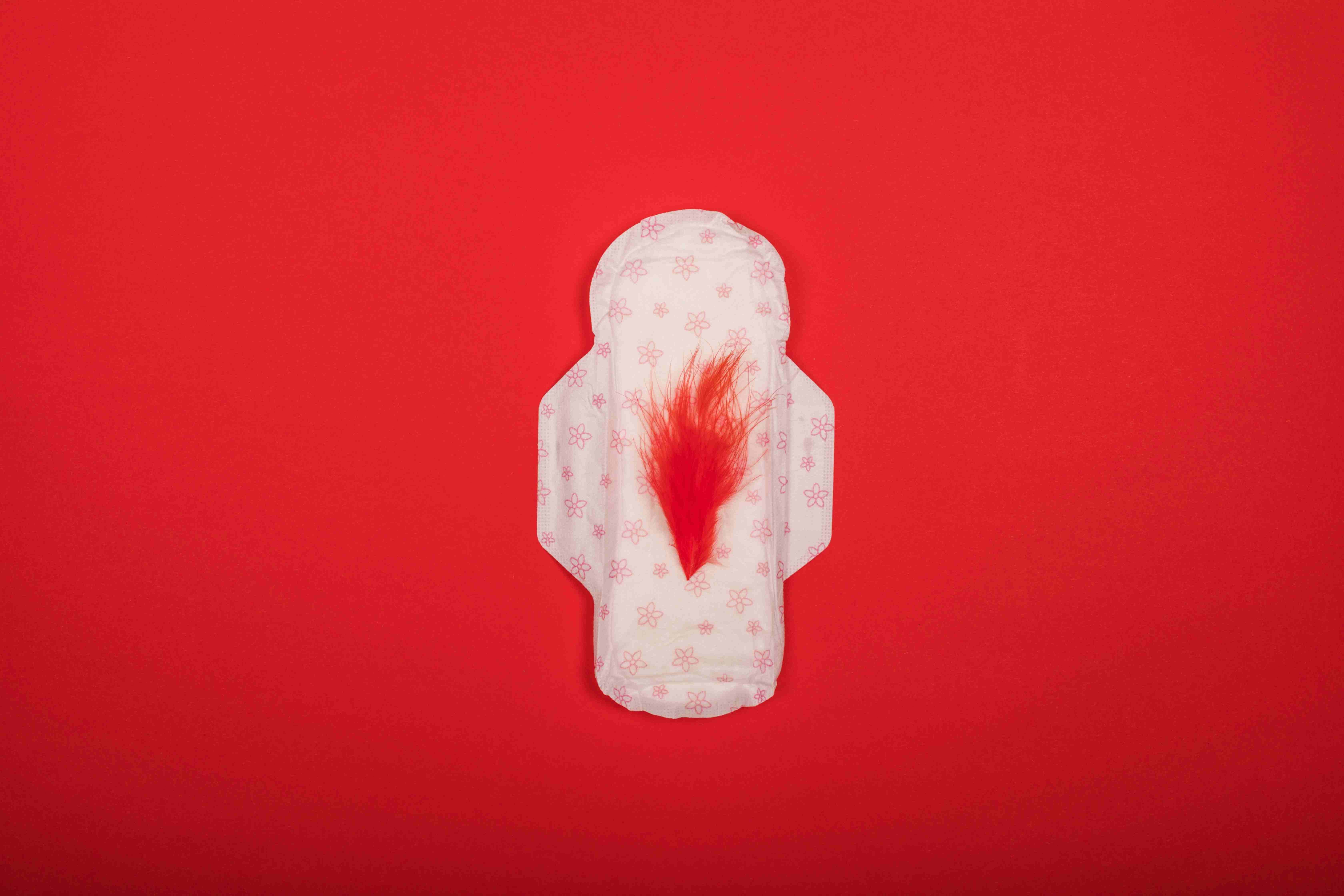
- Image by Freepik