By PPH Foundation
Preparing for childbirth involves more than buying baby clothes, packing a hospital bag or choosing a name for the baby. It also means knowing where to go when labour begins or when a complication develops. For a pregnant woman and her family, knowing the nearest health facility that can provide maternity and emergency obstetric care can save valuable time.
This is particularly important in cases of postpartum haemorrhage (PPH), a complication in which a woman experiences severe bleeding after childbirth. PPH can develop quickly and may become life-threatening if treatment is delayed. Although it can occur without warning, the outcome often depends on how quickly the woman receives appropriate care. Families therefore need to think about where they will seek help before labour begins, rather than trying to make these decisions during an emergency.
A birth plan should therefore include more than the name of a hospital. The mother and her family need to know how to get there, how long the journey is likely to take, what transport is available and who can help if an emergency occurs. They should also find out whether the chosen facility offers maternity services around the clock and can manage complications such as severe bleeding. If it cannot provide the care needed, the family should know which referral hospital to go to and how to reach it.
This is important because the nearest facility is not always the one with the capacity to manage a serious obstetric emergency. A dispensary or health centre may provide routine maternity services but need to refer a woman to a larger hospital if she develops complications. Knowing this in advance can help families avoid losing time moving from one facility to another without a clear plan.
The World Health Organization recommends that birth preparedness plans identify the intended place of delivery, transport arrangements, the health workers who will provide care and the support available to the mother (WHO, 2022). These plans should also be discussed during antenatal visits so that women and their families understand what to do if something goes wrong.
A 2025 study involving 331 pregnant women in Turkana County illustrates some of the gaps in this preparation. Published in the Pan African Medical Journal, the study found that only 17.2% of the women met the researchers' criteria for being prepared for birth and possible complications. Although 74.3% had identified a place to give birth, only 57.1% had arranged transport to a health facility in case of an emergency. Just 3% had identified a health facility with 24-hour emergency obstetric care. The researchers also identified distance, transport costs, insecurity and limited access to health services as barriers (Kibet et al., 2025). These findings relate to the study population in Turkana and should not be taken as national estimates, but they show why choosing a facility alone is not enough.
Dr Kireki Omanwa, Co-Lead of the End PPH Initiative, has also emphasised the importance of acting quickly when a complication develops. In a Daily Pulse article published by PPH Foundation in March 2026, he said: “Postpartum haemorrhage progresses rapidly. The decision to seek care must be immediate. Delays at home, even for a short time, can cost a mother her life” (PPH Foundation, 2026). His message reinforces why families should agree on where to seek help and how to get there before an emergency occurs.
Kenya has also been taking steps to strengthen emergency transport for mothers and newborns. In February 2025, the Ministry of Health announced plans to scale up the M-Mama emergency medical transport system to help pregnant women and newborns reach appropriate care when urgent referral is needed (Ministry of Health, 2025). The country's 2026–2028 Every Woman Every Newborn Everywhere (EWENE) Acceleration Plan also identifies delays in reaching health facilities as a major challenge. Its priorities include improving referral coordination and emergency transport, alongside strengthening the quality of care available at health facilities (Ministry of Health, 2026).
During antenatal visits, pregnant women can ask health workers which facility is suitable for delivery and where they would be referred if complications arise. Families can then identify a reliable means of transport, save emergency contacts and agree on who will accompany the mother. Community health promoters can support these conversations by helping families understand the importance of planning ahead.
Knowing the nearest health facility may seem like a small detail, but it can make a significant difference when time is limited. A mother should not have to start looking for a hospital, asking for directions or negotiating transport while experiencing severe bleeding. Birth preparedness means making these arrangements early, so that when labour begins or a complication develops, the family already knows what to do.
References
Kibet, L. C., Makokha, A. O., & Mutai, J. K. (2025). Factors influencing birth preparedness and complication readiness during pregnancy in Turkana County, Kenya. The Pan African Medical Journal, 51, Article 82. https://doi.org/10.11604/pamj.2025.51.82.47999
Ministry of Health. (2025, February 17). Scaling up emergency medical transport for mothers and newborns. https://www.health.go.ke/scaling-emergency-medical-transport-mothers-and-newborns
Ministry of Health. (2026). Every Woman Every Newborn Everywhere (EWENE) Kenya: Acceleration Plan 2026–2028. https://www.ewene.go.ke/
PPH Foundation. (2026, March 24). Postpartum haemorrhage and delays in decision-making: Why the first choice at home matters. https://endpphfoundation.org/pulse/postpartum-haemorrhage-and-delays-in-decision-making-why-the-first-choice-at-home-matters
World Health Organization. (2022, September 30). Making plans for childbirth when pregnant. https://www.who.int/tools/your-life-your-health/life-phase/pregnancy--birth-and-after-childbirth/making-plans-for-childbirth-when-pregnant
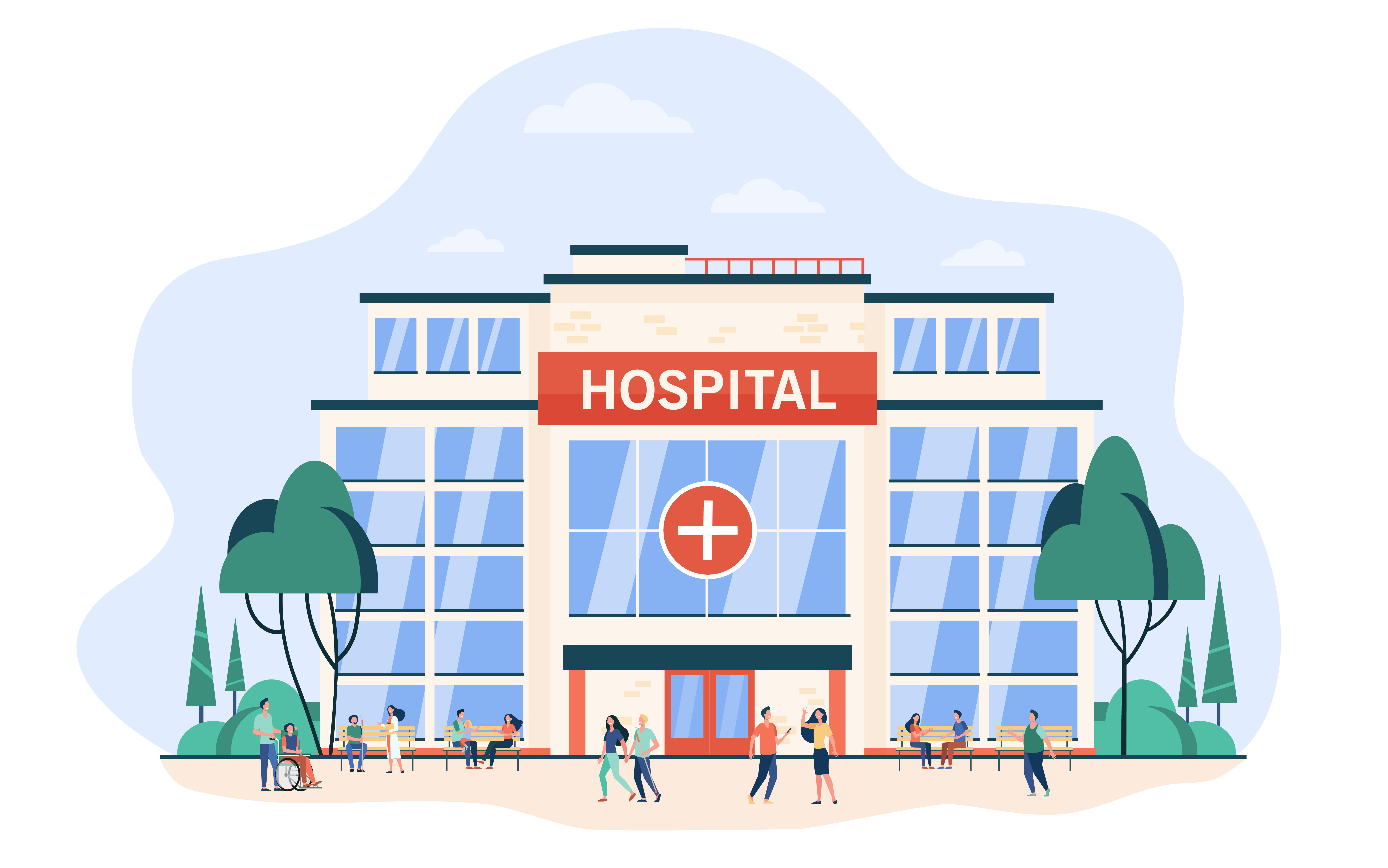
Image by pch.vector on Magnific</a>