
By PPH Foundation
Postpartum haemorrhage (PPH), or heavy bleeding after childbirth, can turn an otherwise routine delivery into a life-threatening emergency. For the woman giving birth, the danger may unfold quickly. For the health team, the response must be immediate, coordinated and supported by the medicines and equipment needed to control the bleeding.
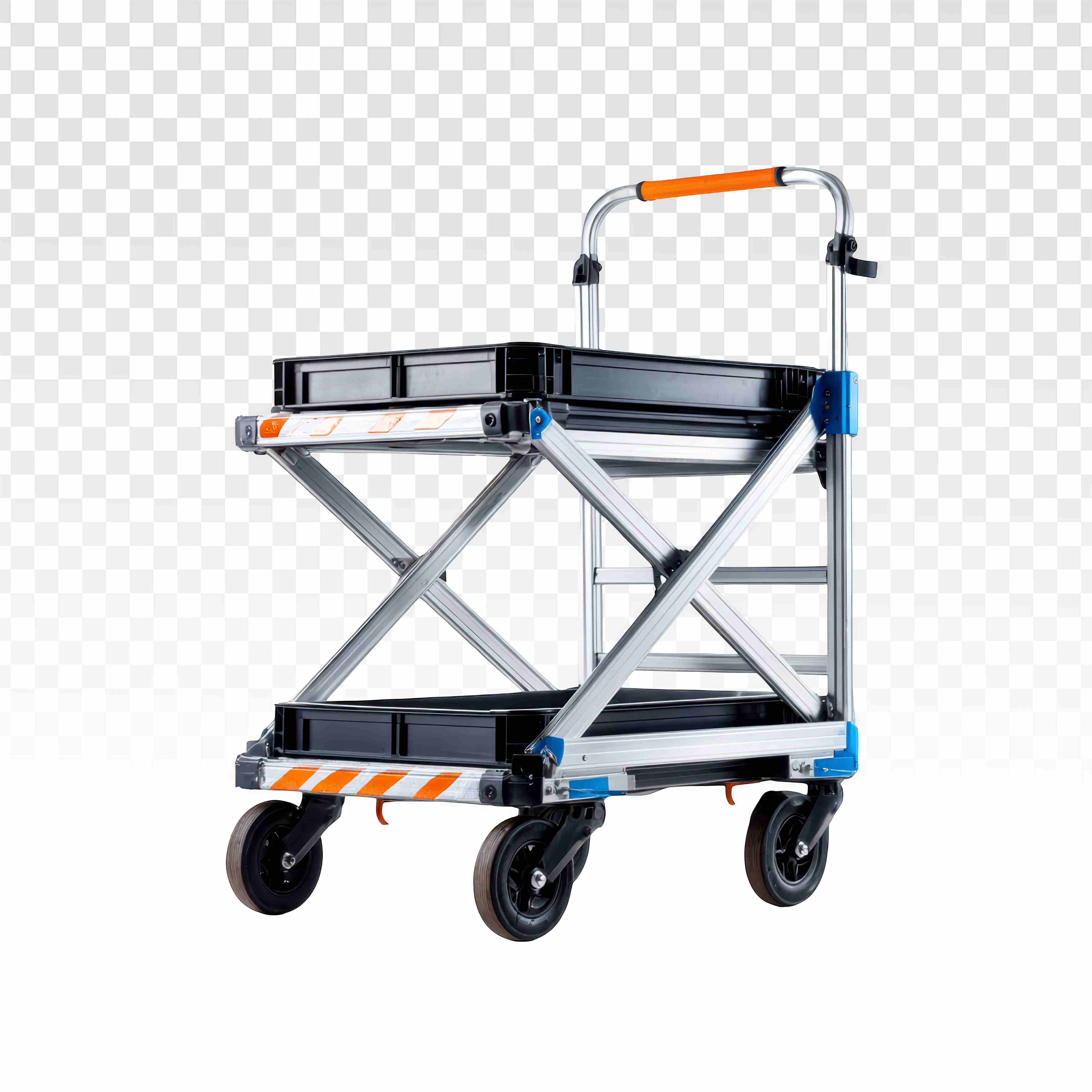
An emergency trolley in the maternity unit is one practical way to prepare. It is not simply a cart stocked with supplies. It is a readiness tool that helps health workers reach essential items without losing valuable time searching for them when a woman is bleeding.
The World Health Organization’s 2025 consolidated guideline on PPH emphasises prompt, coordinated first-response treatment. The recommended approach brings together uterine massage, medicines that help the uterus contract, tranexamic acid, intravenous fluids, examination to identify the cause of bleeding and escalation of care where needed (WHO, 2025). Having these interventions available and ready is an important part of preparedness.
The exact contents of an emergency trolley should follow the facility’s approved protocol and the level of care it can provide. However, readiness generally involves ensuring that key medicines, equipment and supplies are available.
Medicines used in the management of PPH include uterotonics such as oxytocin, which helps the uterus contract, and tranexamic acid, a medicine that helps reduce bleeding. The trolley or designated emergency kit should also provide access to intravenous supplies and fluids used during resuscitation. These items must be stored appropriately, checked for expiry and replenished after use. The WHO recommends early administration of tranexamic acid for PPH, within three hours of birth, alongside standard care (WHO, 2025).
Equipment is equally important. Health workers need reliable ways to assess blood loss and monitor the woman’s condition, including blood pressure and pulse. Supplies for intravenous access, examination and managing the cause of bleeding should be available. Where the facility is equipped and staff are trained, additional measures such as uterine balloon tamponade may be part of the response. Kenya’s Basic Obstetric Protocols also emphasise checking and restocking the PPH trolley or carry case after use, alongside shift-based stock checks and team training (Ministry of Health, 2026).
A trolley may be fully stocked on paper but still fail a woman if medicines are expired, equipment is missing or staff do not know where items are kept. Readiness therefore requires routine checks, clear responsibility for restocking, and practice that allows the maternity team to respond together.
Dr Eunice Atsali, Vice President of the Midwives Association of Kenya and a Co-Lead of the EndPPH Initiative, has highlighted the consequences of shortages for frontline providers. Speaking about gaps in essential medicines and equipment, she said: “A midwife may have the knowledge and skills, but if the medicines are missing, she is left helpless”
Her point underlines a critical issue: training must be matched by reliable supplies and systems that allow health workers to act. Regular emergency drills can help team members practice their roles, identify missing items and improve communication before an actual emergency occurs.
For the public, the emergency trolley may be something rarely noticed in a maternity ward. Yet its readiness can matter when a mother begins to bleed after birth. Preparing for PPH means ensuring that the right supplies are available, the team knows how to use them and help can be called without delay. The emergency should never be the moment a facility discovers that essential items are missing.
References
Ministry of Health, Kenya (2026) Basic Obstetric Protocols. Available at: https://www.health.go.ke/sites/default/files/2026-02/Basic%20Obstetric%20Protocols%202026_shareable_DO%20NOT%20USE%20FOR%20PRINT.pdf
World Health Organization (2025) Consolidated guidelines for the prevention, diagnosis and treatment of postpartum haemorrhage. Available at: https://www.who.int/publications/i/item/9789240115637/
Image by muhammad.abdullah on Magnific</a>