By PPH Foundation
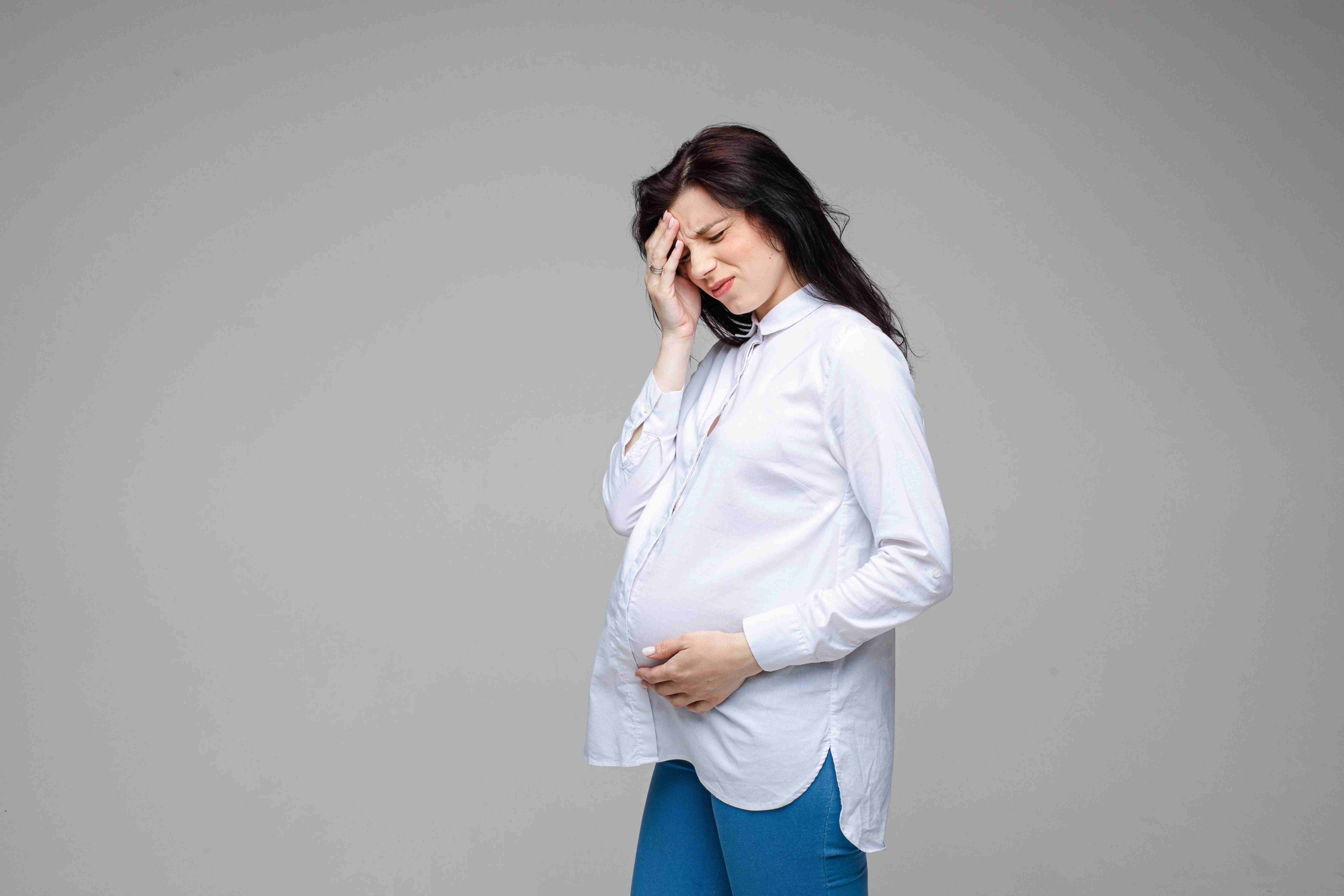
For some women, surviving postpartum haemorrhage (PPH) is only the beginning of a difficult recovery. After severe bleeding during or following childbirth has been controlled, a mother may return home expecting to resume her usual responsibilities. However, persistent tiredness, weakness and the physical and emotional effects of the experience can make even simple daily activities difficult.
PPH occurs when a woman experiences excessive bleeding after childbirth. Depending on the amount of blood lost and the treatment required, recovery can extend beyond the period spent in hospital. Some women experience anaemia, which occurs when the body does not have enough healthy red blood cells or haemoglobin to carry adequate oxygen. This can contribute to fatigue, dizziness, breathlessness, weakness and reduced ability to carry out everyday tasks.
For a new mother, these symptoms can affect more than her physical health. Caring for a newborn requires energy, patience and frequent activity, often with limited opportunities for rest. A mother recovering from severe bleeding may struggle to carry her baby, stand for long periods, prepare meals or manage household responsibilities. Activities that previously felt routine can become exhausting.
The challenge is that recovery does not always end when the bleeding stops or when a woman is discharged from hospital. The body needs time to restore lost blood and recover from the physical demands of childbirth and emergency treatment. Some women may require iron supplementation, further medical assessment or blood transfusion, depending on the severity of blood loss and their clinical condition.
The World Health Organization's 2025 consolidated guidelines on PPH recognise the importance of supportive care after the emergency has been controlled. They recommend continued monitoring and assessment for complications, including anaemia, infection and blood pressure abnormalities. A full blood count or point-of-care haemoglobin test can help identify anaemia, while iron treatment may be considered according to the woman's needs. (WHO, 2025)
Yet the challenges of recovery are not limited to physical symptoms. A woman who has experienced a life-threatening birth complication may also carry fear, distress or uncertainty about her health and future pregnancies. The memory of an emergency delivery, blood transfusion, surgery or intensive treatment can be difficult to process. Some women may feel anxious about being pregnant again or returning to a health facility where they experienced a frightening event.
These experiences can affect relationships and family life. A mother who is physically exhausted may find it difficult to participate in household activities or care for other children. Partners and relatives may not always understand why she is still struggling, particularly when the birth took place weeks earlier. In some cases, women may feel pressure to resume their responsibilities before they have fully recovered.
The impact can also extend to work and household income. Women who are self-employed, work in informal employment or depend on daily earnings may have little opportunity to take time away from work. Prolonged recovery can therefore affect their ability to earn an income, while families may also face additional costs associated with treatment, transport, medication and childcare.
Dr Kireki Omanwa, President of the Kenya Obstetrical and Gynaecological Society (KOGS) and Co-Lead of the EndPPH Initiative, has highlighted the wider consequences of the condition, noting that, “Every PPH case that escalates is a cost the country pays for years.” His observation draws attention to the fact that the effects of PPH can extend beyond the immediate emergency, affecting women, families and the wider health system.
Recognising these challenges means treating postnatal care as more than a single check-up after delivery. Women who have experienced PPH need follow-up care that considers their physical recovery, emotional well-being and ability to manage daily life. Health workers should assess persistent fatigue and other symptoms, investigate possible anaemia and provide appropriate treatment. They should also ask women about their mood, sleep, pain, feeding experiences and the support available to them at home.
The WHO recommendations on maternal and newborn care for a positive postnatal experience include asking women about fatigue, back pain, perineal pain and other aspects of their well-being during postnatal contacts. The American College of Obstetricians and Gynecologists also emphasises that postpartum care should be an ongoing process, with attention to physical recovery, sleep, fatigue and emotional health rather than a single visit. (WHO, 2022; ACOG, 2018)
Families also have an important role. Practical support with household responsibilities, childcare, meals and transport to follow-up appointments can give a recovering mother time to rest and seek care when needed. Persistent or worsening fatigue, dizziness, breathlessness, palpitations, fainting or renewed heavy bleeding should not be dismissed as normal tiredness after childbirth. These symptoms require prompt medical assessment.
Surviving PPH should not mean that a woman is left to manage the consequences alone. Recovery deserves attention, follow-up and support, just as much as the emergency treatment that saved her life. When health facilities, families and communities recognise the challenges women face after severe bleeding, they can help ensure that recovery is not overlooked.
References
- World Health Organization. (2025). Consolidated guidelines for the prevention, diagnosis and treatment of postpartum haemorrhage. https://www.who.int/publications/i/item/9789240115637
- World Health Organization. (2022). WHO recommendations on maternal and newborn care for a positive postnatal experience. https://www.ncbi.nlm.nih.gov/books/NBK579650/
- American College of Obstetricians and Gynecologists. (2018). Optimizing postpartum care. https://www.acog.org/clinical/clinical-guidance/committee-opinion/articles/2018/05/optimizing-postpartum-care
- PPH Foundation. The Cost of Inaction: The Economic and Social Toll of Postpartum Haemorrhage. https://endpphfoundation.org/pulse/the-cost-of-inaction-the-economic-and-social-toll-of-postpartum-haemorrhage
- Image by user15285612 on Magnific</a>