By PPH Foundation
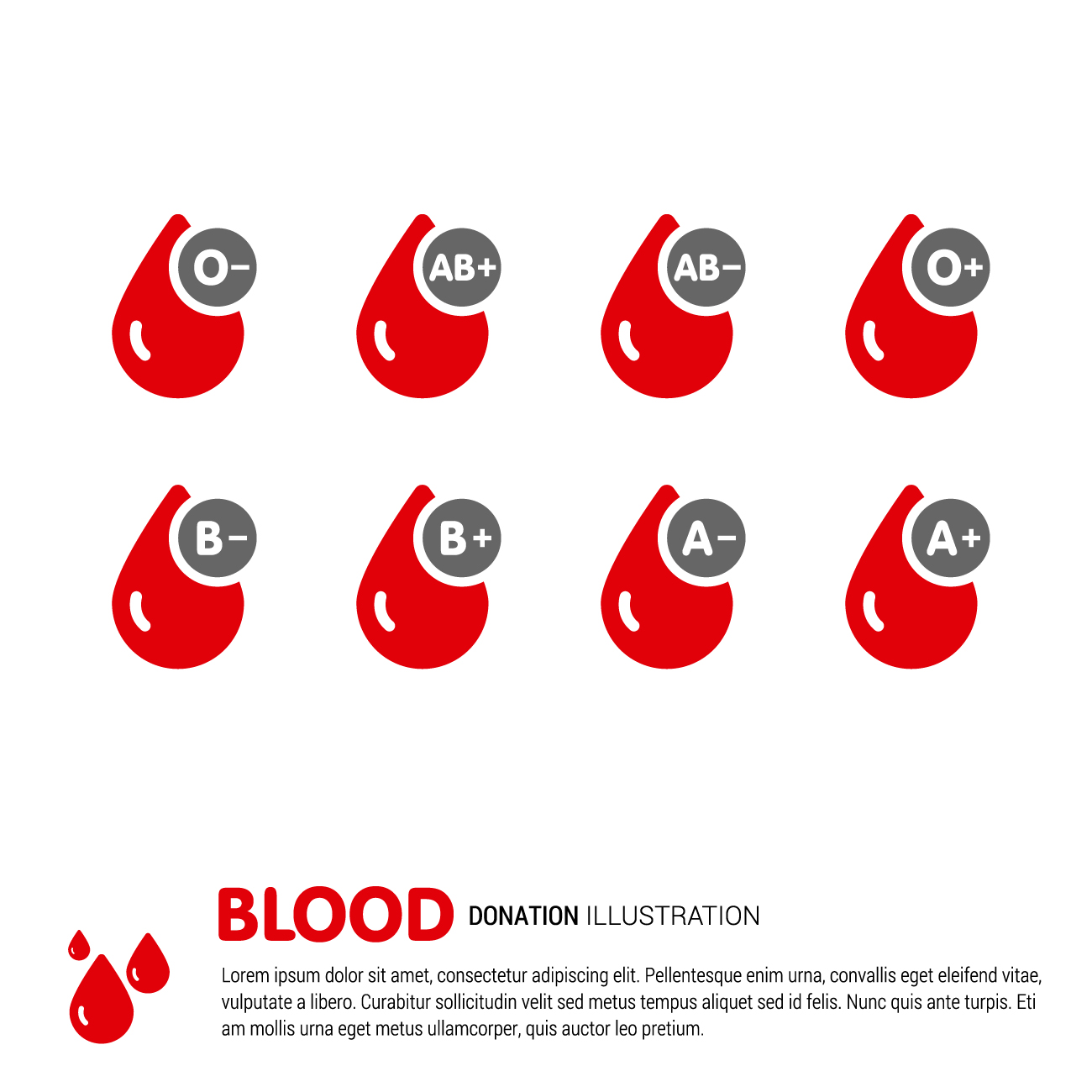
During antenatal care, women undergo several routine tests to assess their health and identify conditions that may affect pregnancy and childbirth. Among these is blood-group testing, which establishes a woman’s ABO and Rh status. Although this test is not performed specifically to predict postpartum haemorrhage (PPH), having a woman’s blood-group information documented before delivery can form part of preparedness if a serious bleeding emergency occurs.
Postpartum haemorrhage can develop rapidly and may require urgent blood transfusion. When significant bleeding occurs, the priority is to recognise the haemorrhage early, control the bleeding and restore the blood volume and oxygen-carrying capacity needed to keep the woman stable. The 2025 World Health Organization (WHO) consolidated guidelines emphasise that facilities providing childbirth services should have access to type-specific or type O RhD-negative blood, with systems that allow emergency blood products to be released without unnecessary delay (WHO, 2025).
This is where blood-group information becomes useful. If a woman’s ABO and Rh status is already known, health teams have information that can contribute to transfusion planning. However, knowing the blood group does not mean compatible blood is automatically available. In an emergency, the clinical team and transfusion service still have to determine the appropriate blood product and follow the facility’s transfusion protocols. Where crossmatching is possible, fully crossmatched red blood cells are preferred. When the ABO and Rh group is known but crossmatching cannot be completed, WHO guidance allows compatible uncrossmatched blood to be used; in an emergency where the blood group cannot be established, O RhD-negative blood may be used.
The bigger issue, therefore, is the strength of the blood system behind the woman.
Blood has to be donated, collected, tested, processed, stored appropriately and transported to the facility where it is needed. The health facility must also have trained personnel, laboratory capacity and clear procedures for obtaining and releasing blood during emergencies. WHO identifies access to blood and blood products as an important component of the systems needed to respond effectively to PPH.
Prof Julius Ogeng’o, Co-Lead of the End Postpartum Haemorrhage Initiative, puts this broader responsibility into perspective:
“Blood access is not simply a clinical supply issue; it must be a family and community priority. When families plan ahead, know blood types, and engage with blood donation systems before delivery, we see faster responses and lives saved.”
The message is particularly relevant because preparedness cannot begin only after severe bleeding has started. Antenatal care provides an opportunity to identify and manage anaemia, document important laboratory information and ensure women understand where and when to seek care. WHO's 2025 PPH recommendations also emphasise antenatal and postnatal care as part of reducing risks and improving outcomes, including addressing anaemia, which can worsen the consequences of blood loss.
Kenyan evidence also illustrates the value of documenting blood-group status during antenatal care. A 2024 study of pregnant women attending antenatal services in Marsabit County included ABO and RhD blood grouping among laboratory assessments, demonstrating its place within antenatal screening in a Kenyan setting (Galgalo et al., 2024).
The lesson is simple: a blood-group result is useful information, but it is only one part of preparedness. For a woman who develops PPH, survival may depend on whether the entire chain; from blood donation and laboratory testing to storage, transport and emergency transfusion, works when it is needed.
Every antenatal visit is therefore an opportunity to prepare for both the expected and the unexpected. And when PPH occurs, having strong blood systems in place can help ensure that the response is not delayed by preventable gaps.