By PPH Foundation
A baby’s arrival may signal the end of pregnancy, but it does not necessarily mark the end of a mother’s health risks. Preeclampsia, a pregnancy-related hypertensive disorder, can persist after childbirth or develop for the first time in the postpartum period. At the same time, women remain vulnerable to other serious complications, including postpartum haemorrhage, PPH. Understanding how these conditions can occur around the same period is important because timely recognition and treatment can prevent a manageable complication from becoming life-threatening.
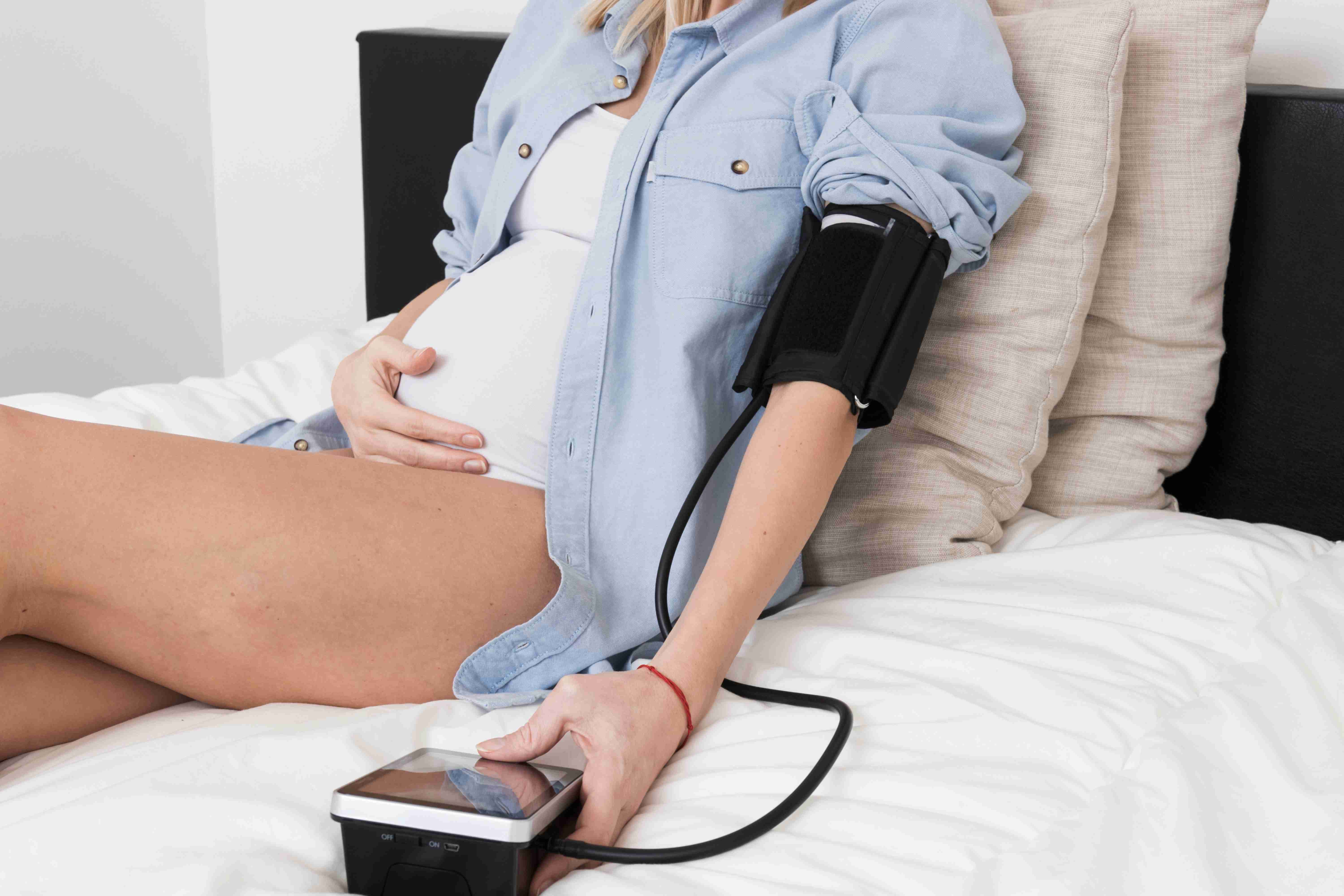
Preeclampsia usually develops after 20 weeks of pregnancy and is characterized by high blood pressure, sometimes accompanied by signs of damage to other organs. Although it is commonly associated with pregnancy, the risk does not necessarily disappear once the baby is born.
According to the World Health Organization’s 2025 fact sheet on preeclampsia, the condition affects an estimated 3–8 percent of women who give birth worldwide. WHO notes that preeclampsia can progress to eclampsia, which causes seizures and can be life-threatening. Severe headache, visual disturbances, upper abdominal pain, nausea and vomiting, and swelling of the hands and face are among the symptoms that may occur, although some women may have few or no noticeable symptoms (WHO, 2025).
This is why the days following childbirth remain important. A woman may feel that the most difficult part is over once she has delivered her baby and may therefore be less likely to associate a severe headache, visual changes or unusual swelling with a potentially serious complication.
The World Health Organization’s 2025 maternal health recommendations emphasise continued care during the postnatal period, including appropriate management of hypertensive disorders. The recommendations form part of a broader approach that recognises pregnancy, childbirth and the postnatal period as a continuum of maternal care (WHO, 2025).
The connection with postpartum haemorrhage is also important.
A 2025 systematic review and meta-analysis by Gallardo Cerna, Jara Huapaya and Aguirre Quispe examined 12 studies involving more than 2.1 million pregnancies. The researchers found that women with preeclampsia had nearly twice the odds of experiencing PPH compared with women without preeclampsia. Their analysis reported an odds ratio of 1.95, although the researchers also noted substantial variation between the studies and rated the overall certainty of the evidence as moderate (Gallardo Cerna et al., 2025).
The finding does not mean that every woman with preeclampsia will develop PPH. Rather, it highlights why health workers need to consider the woman's broader clinical picture and remain prepared for complications around childbirth and afterwards.
For Dr Eunice Atsali, Co-Lead of the End PPH Initiative and a midwife, this wider view of maternal care is essential. As a midwife, she emphasises the importance of recognising complications early and ensuring that women receive timely care when their condition changes.
PPH itself can develop rapidly and requires a prepared response. The 2025 consolidated WHO, FIGO and ICM guidelines on PPH cover prevention, diagnosis and treatment across pregnancy, childbirth and the immediate postpartum period. The guidelines emphasise that all women deserve comprehensive, high-quality care and that delays in recognising and treating PPH can contribute to severe maternal outcomes (WHO, FIGO & ICM, 2025).
For mothers, knowing the warning signs is therefore important. A severe or persistent headache after childbirth, changes in vision, severe pain in the upper abdomen, difficulty breathing, confusion or a seizure should not be dismissed as ordinary postpartum discomfort. Similarly, heavy bleeding after delivery requires immediate medical attention.
Families can also play an important role. A woman who has just given birth may be exhausted, focused on her newborn or assume that discomfort is simply part of recovery. A partner or relative who notices a significant change in her condition can help her seek medical care quickly.
The same applies to women who have already left the health facility. Postnatal care should not end simply because a mother and baby have gone home. WHO continues to emphasise the importance of quality care during the postnatal period, when health workers can identify complications, provide appropriate treatment and help mothers recognise danger signs (WHO, 2025).
Preeclampsia and PPH are different complications, but both demonstrate why maternal care cannot stop at the moment of delivery. A woman may require continued monitoring even after what appears to have been a successful birth.
For families, the message is simple: the arrival of the baby is a major milestone, but the mother's recovery deserves equal attention.
The delivery room may be where the baby arrives, but maternal care must continue well beyond it.
References
Gallardo Cerna, N. V., Jara Huapaya, N. M., & Aguirre Quispe, W. (2025). Preeclampsia as a risk factor for postpartum hemorrhage: A systematic review and meta-analysis. Journal of Obstetrics and Gynaecology Canada, 47(12), 103157. https://doi.org/10.1016/j.jogc.2025.103157.
World Health Organization. (2025). Consolidated guidelines for the prevention, diagnosis and treatment of postpartum haemorrhage. Geneva: World Health Organization.
World Health Organization. (2025). Pre-eclampsia. Geneva: World Health Organization.
World Health Organization. (2025). WHO recommendations on maternal health: Guidelines approved by the WHO Guidelines Review Committee, 2nd ed. Geneva: World Health Organization.
Image by magnific