By PPH Foundation
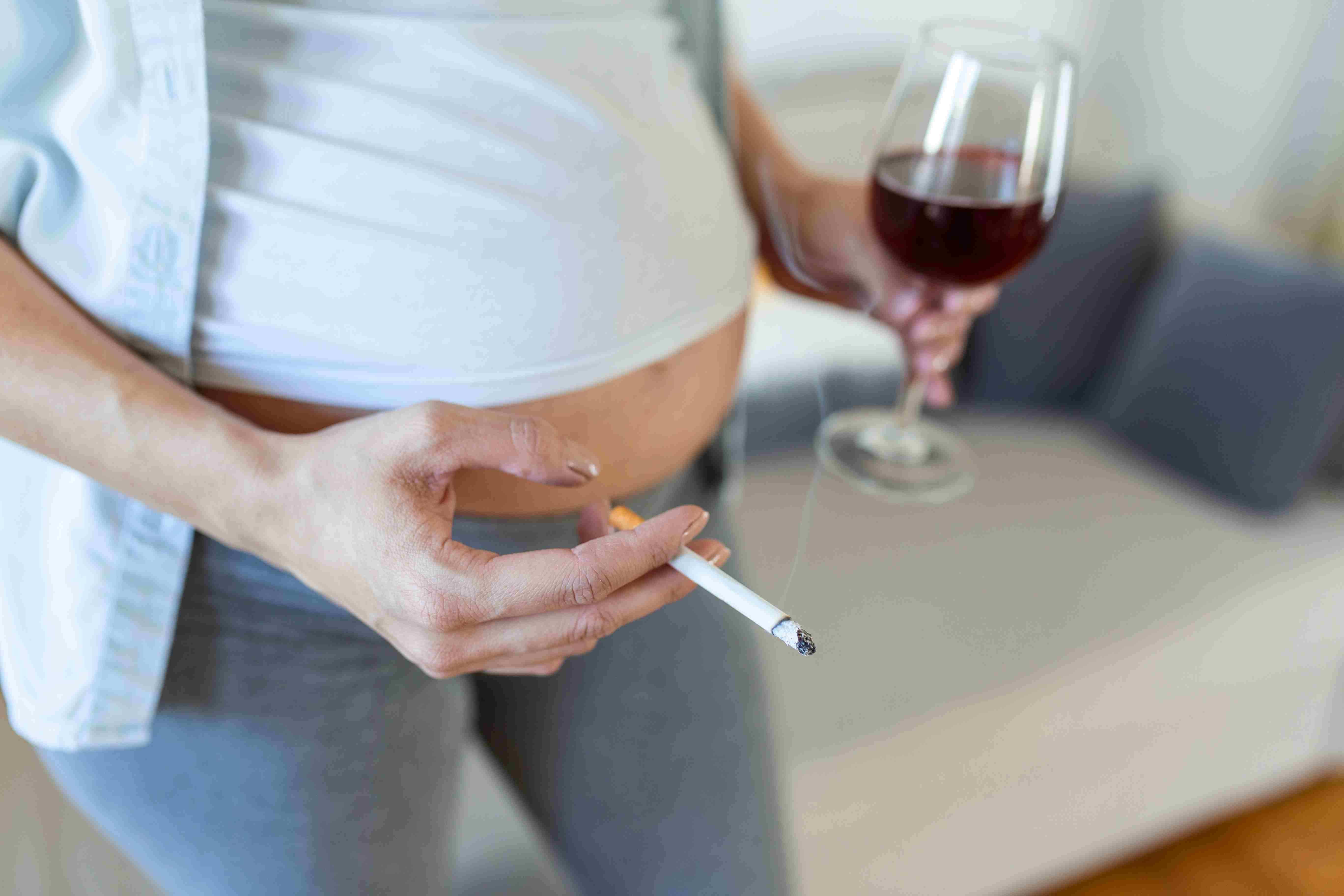
Maternal health experts are warning that smoking during pregnancy continues to increase the risk of severe complications linked to postpartum haemorrhage, one of the leading causes of maternal deaths globally.
Health researchers note that tobacco exposure during pregnancy affects placental function, maternal blood flow, and oxygen delivery, all of which may increase the likelihood of severe bleeding during and after childbirth. Smoking has particularly been associated with placental abruption, placenta previa, and maternal anaemia, conditions strongly linked to postpartum haemorrhage and poor maternal outcomes.
Recent research published in BMJ Open in 2025 found that both active smoking and second-hand smoke exposure during pregnancy significantly increase the risk of placental abruption, a dangerous condition associated with severe maternal bleeding and emergency obstetric complications.
Emerging evidence is also raising concern around vaping and nicotine exposure during pregnancy. Studies continue to show that nicotine exposure negatively affects maternal health during pregnancy and may contribute to complications associated with postpartum haemorrhage.
Prof Moses Obimbo, Project Lead of the End Postpartum Haemorrhage Initiative, says smoking during pregnancy is increasingly becoming an overlooked contributor to preventable maternal complications.
“Smoking affects placental health, oxygen delivery, and maternal wellbeing during pregnancy. These complications can increase risks associated with postpartum haemorrhage and emergency childbirth outcomes. Protecting mothers from tobacco exposure must remain part of broader maternal health prevention strategies,” says Prof Obimbo.
The World Health Organization continues to recommend stronger tobacco prevention, smoking cessation support, and protection from second-hand smoke exposure during pregnancy as critical interventions for improving maternal health outcomes globally.
Public health experts further emphasize that reducing tobacco exposure among pregnant women requires coordinated action involving healthcare systems, community education, policy enforcement, family support, and stronger awareness campaigns targeting reproductive health.
Sources
World Health Organization. WHO Recommendations for the Prevention and Management of Tobacco Use and Second-Hand Smoke Exposure in Pregnancy. Geneva: World Health Organization; 2013.
Centers for Disease Control and Prevention. Maternal and Infant Care Settings and Smoking Cessation. Atlanta: CDC; 2025.
Suzuki S, Miyake H, Nakata M, et al. Association between maternal smoking, second-hand smoke exposure, and placental abruption during pregnancy. BMJ Open. 2025;15.
Lange S, Probst C, Rehm J, Popova S. National, regional, and global prevalence of smoking during pregnancy in the general population: a systematic review and meta-analysis. BMC Public Health. 2022;22:14881.
Oei JL, De Luca CR, Nguyen T, et al. Maternal vaping during pregnancy and adverse birth outcomes: systematic review and meta-analysis. Women and Birth. 2025;38(4):421-433.
Marufu TC, Ahankari A, Coleman T, Lewis S. Maternal smoking and adverse pregnancy outcomes: an umbrella review of systematic reviews and meta-analyses. BMC Pregnancy and Childbirth. 2021;21:368.
Cnattingius S. The epidemiology of smoking during pregnancy: smoking prevalence, maternal characteristics, and pregnancy outcomes. Nicotine & Tobacco Research. 2020;22(6):879-885.
U.S. Department of Health and Human Services. Smoking Cessation During Pregnancy: A Clinician’s Guide. Washington DC: USDHHS; 2024.