By PPH Foundation
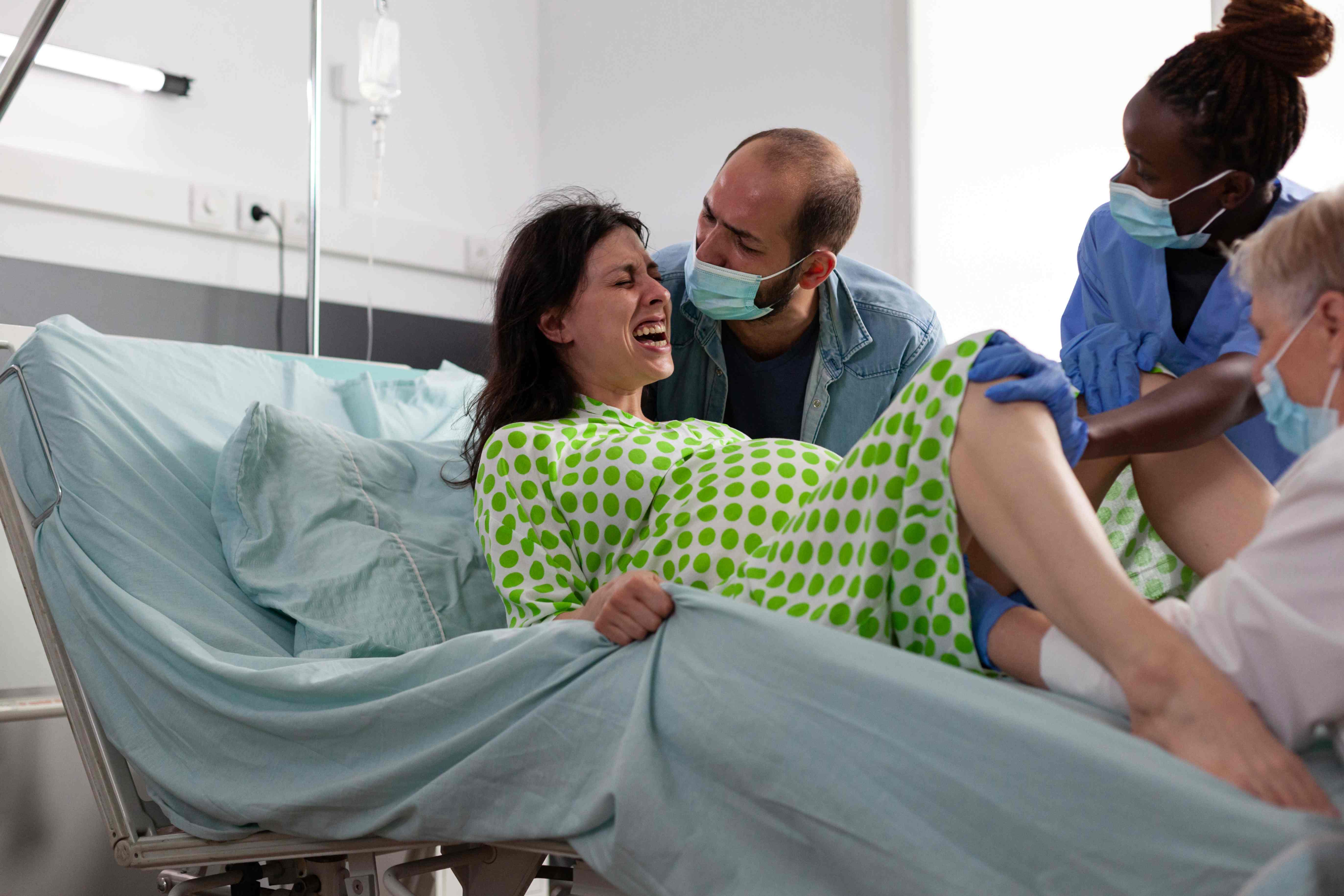
The atmosphere in a maternity ward can change in an instant. Moments after celebrating the birth of a healthy baby, a midwife notices that the mother is bleeding more than expected. Within seconds, she alerts the team. Another nurse prepares oxytocin and tranexamic acid. An obstetrician quickly assesses the source of the bleeding while an anaesthetist secures intravenous access and monitors the woman's condition. The laboratory receives an urgent request to cross-match blood, while theatre staff prepare in case surgery becomes necessary. In these critical moments, no single healthcare worker saves a life. It is the coordinated actions of an entire team that determine whether a mother survives postpartum haemorrhage, PPH, one of the leading causes of maternal deaths worldwide (World Health Organization, 2023).
Postpartum haemorrhage claims an estimated 70,000 maternal lives every year despite the availability of effective medicines and evidence-based clinical interventions (World Health Organization, 2023). While much attention has been given to drugs such as oxytocin and tranexamic acid, experts increasingly recognise that successful emergency response depends just as much on teamwork, communication, leadership and coordination. Hospitals that cultivate these human factors alongside clinical excellence are consistently better prepared to respond rapidly and effectively when severe bleeding occurs (Main et al., 2023).
"People often assume that when a mother develops postpartum haemorrhage, the obstetrician is the one who saves her," says Dr Eunice Atsali, a midwife and a Co-Lead of the End PPH Initiative.
"The reality is very different. Postpartum Haemorrhage is one of the clearest examples of team-based emergency care. The midwife may be the first to recognise abnormal bleeding. A nurse immediately begins administering emergency medicines. The obstetrician identifies and treats the cause of the haemorrhage. The anaesthetist stabilizes the patient and manages shock. Laboratory staff expedite blood testing, while blood bank personnel prepare compatible blood products. If surgery becomes necessary, theatre teams must already be prepared. Every member of this chain is equally important because delays at any point can cost a mother's life."
She adds that successful emergency care depends on preparation long before an emergency unfolds.
"Teamwork cannot be improvised during a crisis. It must be practiced repeatedly until communication, leadership and coordination become second nature. Hospitals that invest in building strong multidisciplinary teams create safer environments not only for mothers but also for healthcare workers."
One of the greatest challenges during obstetric emergencies is ensuring that critical information is communicated accurately and without delay. In the confusion of a rapidly deteriorating patient, unclear instructions, duplicated tasks or assumptions that someone else has taken responsibility can delay life-saving interventions. Maternal mortality reviews conducted across different countries have repeatedly identified communication failures among healthcare teams as significant contributors to preventable maternal deaths (Siassakos et al., 2020; World Health Organization, 2023).
To address these challenges, many hospitals have adopted structured communication tools and clearly defined emergency response protocols. During a postpartum haemorrhage emergency, every team member knows who is responsible for administering medicines, monitoring vital signs, requesting blood products, documenting events, communicating with family members and coordinating referral or surgical care if needed. These predefined roles reduce confusion and allow several interventions to occur simultaneously rather than sequentially.
Research increasingly demonstrates the value of this multidisciplinary approach. A systematic review involving nearly 9,000 healthcare providers across 18 low- and lower-middle-income countries found that simulation-based obstetric emergency training significantly improved healthcare workers' knowledge, confidence, communication and teamwork during obstetric emergencies. The review concluded that regular multidisciplinary simulation exercises strengthen providers' ability to respond effectively under pressure and should be incorporated into routine maternity care, particularly in resource-constrained settings (Walker et al., 2022).
Beyond improving technical skills, simulation exercises foster trust among team members. Healthcare workers become familiar with one another's strengths, communication styles and responsibilities, making collaboration more effective during real emergencies. Rather than reacting independently, they learn to function as a coordinated unit focused on achieving a single objective, saving the mother's life.
Recent evidence further reinforces this approach. A 2024 multicentre study published in BJOG: An International Journal of Obstetrics and Gynaecology found that hospitals implementing multidisciplinary simulation training achieved earlier administration of tranexamic acid, significantly reduced severe maternal morbidity and substantially decreased the need for massive blood transfusions among women experiencing postpartum haemorrhage. These improvements were attributed not only to better clinical knowledge but also to stronger teamwork and coordinated emergency response (MacKinnon et al., 2024).
"One of the greatest lessons we have learned is that technical expertise alone is not enough," says Dr Atsali.
"You may have highly skilled clinicians, essential medicines and modern equipment, but if communication breaks down or responsibilities are unclear, valuable time is lost. Every member of the maternity team must understand that they are part of a larger system where each person's actions influence the outcome."
He believes healthcare leaders should invest as much in people as they do in infrastructure.
"Leadership during emergencies is about creating an environment where everyone feels empowered to speak up, escalate concerns and act immediately when danger is recognized. Hierarchy should never become a barrier to saving a mother's life. A junior midwife who identifies excessive bleeding should feel confident to activate the emergency response without hesitation because early recognition remains one of the strongest predictors of survival."
Lessons from industries such as aviation have also influenced obstetric emergency care. Crew Resource Management, originally developed to improve teamwork and communication among airline crews, has been adapted for healthcare to strengthen leadership, situational awareness and decision-making during high-pressure clinical emergencies. Studies show that integrating these human-factor principles into obstetric emergency training improves team performance and contributes to safer maternity care (Siassakos et al., 2020).
Across Kenya, efforts to strengthen multidisciplinary teamwork continue through competency-based training, mentorship programmes and simulation exercises under initiatives such as the End Postpartum Haemorrhage Initiative. By bringing together obstetricians, midwives, nurses, anaesthetists and other healthcare professionals to train as integrated teams, these programmes aim to build a culture of preparedness where every provider understands both individual responsibilities and the importance of collective action.
However, sustaining this culture requires continuous commitment. Experts recommend that hospitals conduct regular emergency drills, review maternal deaths and near misses, evaluate communication during emergencies, strengthen leadership skills and ensure all cadres participate in ongoing simulation training. Building resilient teams is not a one-time achievement but an ongoing process of learning, reflection and improvement.
"Every successful response to postpartum haemorrhage represents the efforts of an entire team working in harmony," Dr Atsali concludes.
"When we strengthen communication, invest in simulation training and create environments where every healthcare worker understands their role, we dramatically improve our ability to save mothers. Medicines are essential, blood is essential, equipment is essential, but it is people working together who transform those resources into lives saved."
As countries work towards ending preventable maternal deaths, strengthening the human side of emergency obstetric care deserves equal attention. Behind every mother who survives postpartum haemorrhage is often a team whose preparation, trust and coordinated response turned a medical emergency into a story of survival.
References
MacKinnon, N., et al. Impact of multidisciplinary postpartum haemorrhage simulation training on severe maternal morbidity and blood transfusion. BJOG: An International Journal of Obstetrics & Gynaecology. 2024.
Main, E. K., Goffman, D., Scavone, B. M., et al. Obstetric haemorrhage bundles and facility preparedness for postpartum haemorrhage. American Journal of Obstetrics and Gynecology. 2023.
Siassakos, D., Draycott, T., Crofts, J. F., et al. Improving outcomes through multidisciplinary obstetric emergency training. Best Practice & Research Clinical Obstetrics & Gynaecology. 2020;67:114–127.
Walker, D. M., Cohen, S. R., Fritz, J., et al. Simulation-based training for obstetric emergencies in low-resource settings, A systematic review. BMC Pregnancy and Childbirth. 2022;22.
World Health Organization. WHO recommendations for the prevention and treatment of postpartum haemorrhage. Geneva: World Health Organization; 2023.
Image by DC Studio on Magnific</a>