By PPH Foundation
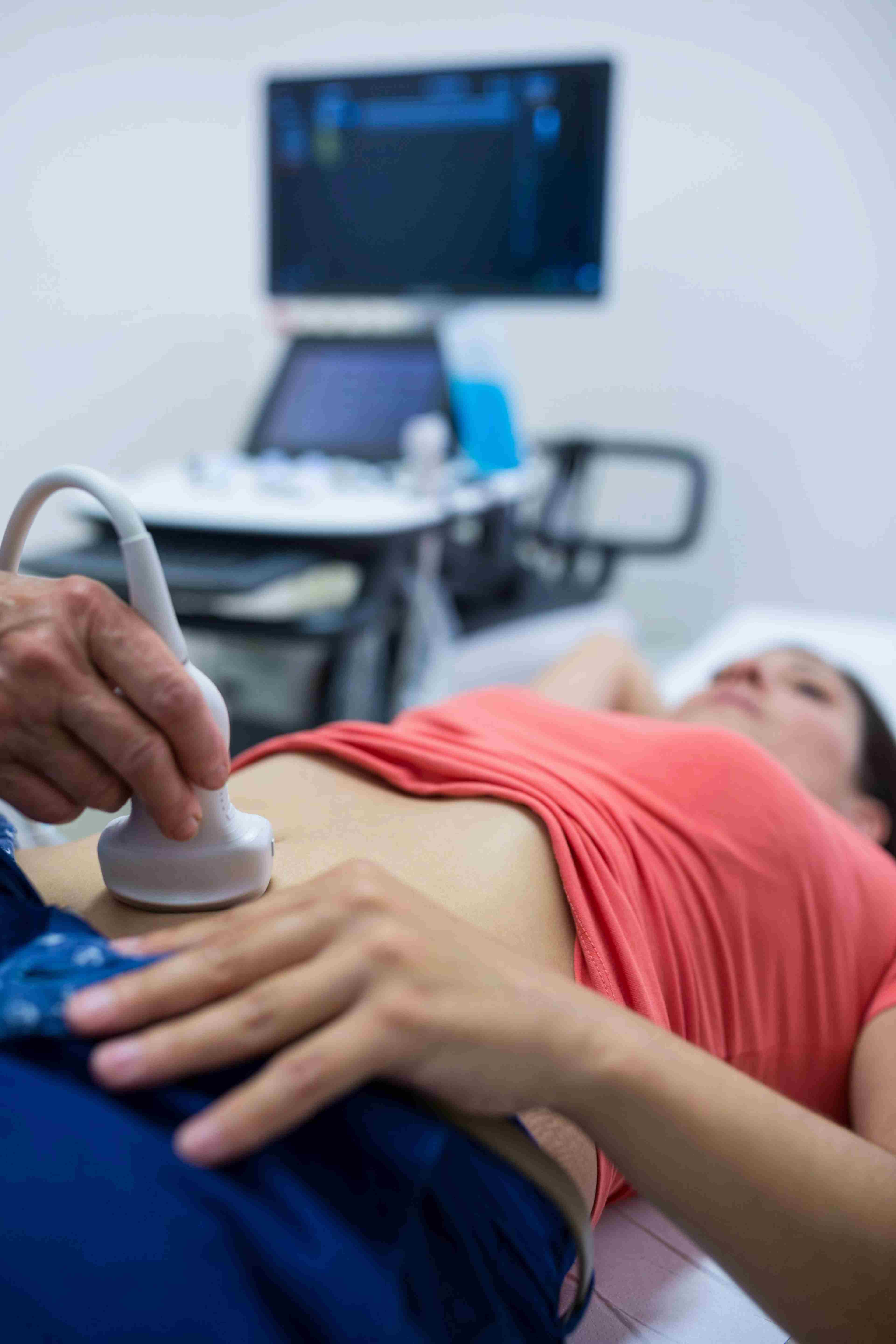
An ultrasound scan during pregnancy is often associated with checking the baby's growth, heartbeat and position. However, it can also provide important information about the mother's health and help identify conditions that may complicate childbirth. Some of these findings are relevant to postpartum haemorrhage (PPH), which is severe bleeding after delivery.
One example is the position of the placenta. When the placenta lies very low in the uterus or covers the opening of the cervix, a condition known as placenta praevia, the mother may face a higher risk of heavy bleeding during delivery. In some pregnancies, the placenta may also attach too deeply to the wall of the uterus, a condition called placenta accreta spectrum. These conditions can lead to serious bleeding and may require specialised care, blood transfusion and a carefully planned delivery. Identifying them before labour gives health workers time to assess the mother and make the necessary arrangements (Jauniaux et al., 2026).
Prof Moses Obimbo, a professor at the University of Nairobi and the Project Lead of the EndPPH Initiative, has drawn attention to the fact that some conditions affecting women's health may go unnoticed until pregnancy. Speaking to Citizen Digital in February 2026, he observed: “Many of the conditions that kill women are invisible during routine physical examinations.” He was discussing how ultrasound and other diagnostic tools can help health workers identify problems earlier, including conditions that may increase the risk of complications during pregnancy and childbirth (Chebet, 2026).
Ultrasound can help identify some of these problems, including fibroids, ovarian cysts, placental abnormalities and certain causes of abnormal bleeding. For example, fibroids may affect the uterus and, depending on their size and location, may influence pregnancy and delivery. However, not every fibroid or ultrasound finding means that a woman will experience PPH. The findings need to be interpreted by a trained health professional alongside the woman's medical and pregnancy history.
The value of identifying these conditions early is that the health team can plan where and how the woman should give birth. A mother with suspected placenta praevia or placenta accreta spectrum may need delivery at a hospital with experienced obstetric specialists, an operating theatre, blood transfusion services and critical care support. The 2026 Royal College of Obstetricians and Gynaecologists guideline recommends that women with a high likelihood of placenta accreta spectrum receive specialist assessment and deliver in a centre with the necessary surgical expertise and access to blood products (Jauniaux et al., 2026).
In Kenya, the use of portable point-of-care ultrasound is also attracting attention because it can bring basic pregnancy imaging closer to women who may not have easy access to specialised services. In February 2025, the Kenya News Agency reported on efforts to introduce AI-enabled point-of-care ultrasound to help frontline health workers assess pregnancies, including placental location, foetal presentation and multiple pregnancies. Such technology could support earlier identification of concerns and timely referral, particularly in facilities with limited access to specialist imaging (Suche & By, 2025).
However, it is important to understand what ultrasound can and cannot do. A scan cannot predict every case of PPH, and a normal ultrasound result does not mean that a woman is free from the risk of severe bleeding. PPH can occur even in women whose pregnancies have been considered low risk. This is why antenatal assessment must also consider factors such as anaemia, previous PPH, the mother's medical history and her condition during labour. Health workers must remain prepared to recognise and manage bleeding in every delivery, regardless of earlier scan findings.
The World Health Organization's 2025 consolidated guidelines on PPH emphasise prevention, early recognition and timely treatment throughout childbirth and the immediate period after delivery (WHO, 2025). Ultrasound is one part of a wider approach to safer maternity care, not a replacement for skilled birth attendance, proper monitoring or emergency preparedness.
For expectant mothers, attending recommended antenatal visits and following up on scan findings are important. If a health worker recommends another scan or referral, it is worth understanding why and completing the follow-up. Families should also know where the mother will deliver and whether the facility can manage complications or arrange a referral.
Ultrasound findings matter because they can give health workers time to prepare before a complication develops. When concerns are identified early, there is an opportunity to arrange the right team, equipment, blood supply and place of delivery. This preparation can make a difference when a mother needs urgent care.
References
Chebet, E. (2026, February 15). Kenya’s maternal health crisis: Can innovation succeed where systems have failed? Citizen Digital. https://test.citizen.digital/article/kenyas-maternal-health-crisis-can-innovation-succeed-where-systems-have-failed-n377527
Jauniaux, E., Bhide, A., Hussein, A. M., Lees, C., D’Antonio, F., Robson, S. C., Agten, A. K., Jurkovic, D., & Royal College of Obstetricians and Gynaecologists. (2026). Placenta praevia and placenta accreta spectrum: Diagnosis and management. Green-top guideline No. 27a. BJOG, 133(10), e93–e128. https://doi.org/10.1111/1471-0528.70239
Suche, C., & By, N. (2025, February 22). Experts advocate for AI-enabled POCUS to reduce pregnancy risks. Kenya News Agency. https://www.kenyanews.go.ke/experts-advocate-for-ai-enabled-pocus-to-reduce-pregnancy-risks/
World Health Organization. (2025). Consolidated guidelines for the prevention, diagnosis and treatment of postpartum haemorrhage. https://www.who.int/publications/i/item/9789240115637
Image by peoplecreations on Magnific</a>