By PPH Foundation
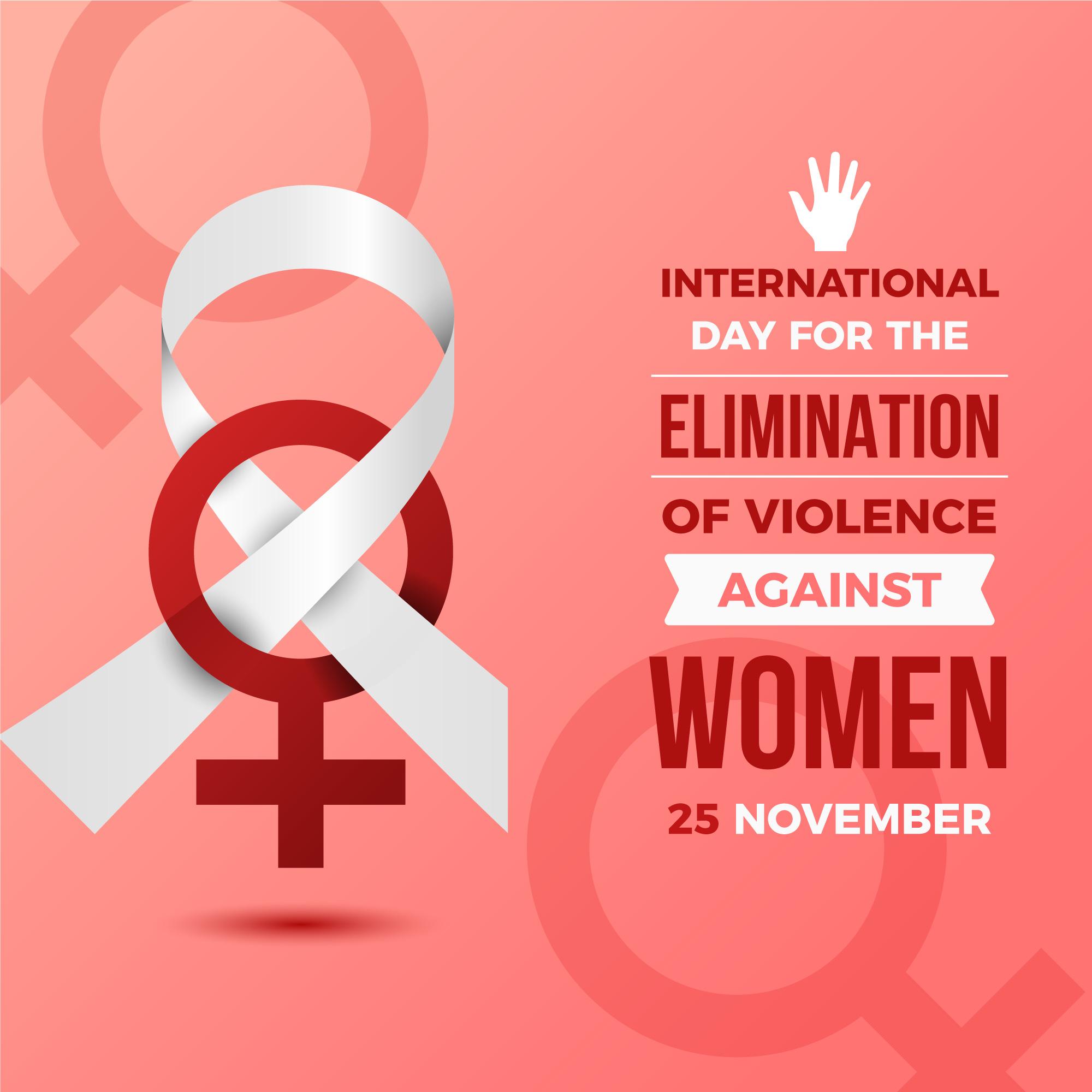
As the world marks the International Day for the Elimination of Violence against Women on 25 November, attention must also be given to the effects of violence on maternal health. Violence during pregnancy is not only a violation of a woman's rights and dignity; it can also expose her and her unborn baby to serious health complications, including those associated with postpartum haemorrhage (PPH).
Intimate partner violence may take different forms, including physical assault, sexual violence, emotional abuse and controlling behaviour. During pregnancy, these experiences can affect a woman's health in several ways. Physical assault can cause injuries and abdominal trauma, potentially leading to complications such as placental abruption and bleeding before birth. Sexual violence may expose women to reproductive tract injuries and infections. Persistent fear, stress and psychological distress can also affect their wellbeing throughout pregnancy.
Violence can further increase the risk of complications by preventing women from accessing timely antenatal care or seeking medical attention when warning signs appear. A woman who is threatened, controlled or financially restricted by her partner may struggle to attend appointments, obtain medication or reach a health facility when an emergency develops. Delays in accessing care can make obstetric complications more difficult to manage.
Research is beginning to provide evidence of the relationship between intimate partner violence and postpartum haemorrhage. A 2025 prospective cohort study involving 2,635 women in Ethiopia found that women who experienced intimate partner violence during pregnancy had a 50 per cent higher risk of postpartum haemorrhage than those who did not report such violence. The association was stronger among women who experienced sexual violence, who had a 68 per cent higher risk of PPH (Mohammed et al., 2025). The findings do not establish that violence directly causes every case of postpartum haemorrhage, but they point to an important relationship that maternal health programmes and healthcare providers should not overlook.
Evidence from Kenya also highlights how violence affects women's ability to access care. A 2024 study involving 859 women in Nairobi and Kiambu counties found that women who experienced intimate partner violence during pregnancy had approximately twice the odds of avoiding postpartum healthcare compared with those who had not experienced violence (Woofter et al., 2024). This is particularly concerning because care after childbirth is essential for identifying complications and supporting recovery, including after severe bleeding.
Prof. Ann Beatrice Kihara, Co-Lead of the End Postpartum Haemorrhage Initiative, has previously emphasised the importance of preserving women's dignity even during obstetric emergencies. She noted: “Emergency situations require rapid action, but rapid action should not mean abandoning communication. Even in moments of urgency, healthcare providers can explain what is happening, seek consent where possible, reassure women and their families, and preserve dignity. Clinical excellence and respectful maternity care should go hand in hand.”
Preventing postpartum haemorrhage therefore requires attention not only to clinical risk factors and emergency response but also to the circumstances in which women experience pregnancy and childbirth. Healthcare providers need safe ways to identify and respond to violence, offer confidential support and link survivors to appropriate services. Women should be able to seek care without fear, intimidation or blame.
On this International Day for the Elimination of Violence against Women, the message is clear: protecting mothers also means protecting them from violence. No woman should have to endure abuse while carrying a pregnancy, and no woman should be prevented from receiving the care she needs to survive childbirth.
References
Mohammed, S., Lokubal, P. and Ackah Baafi, J.A. (2025) ‘Intimate partner violence during pregnancy and its association with pregnancy and childbirth complications: A prospective cohort study’, PLOS Global Public Health, 5(4), e0004311. https://doi.org/10.1371/journal.pgph.0004311.
Woofter, R., Mboya, J., Golub, G. and Sudhinaraset, M. (2024) ‘Intimate partner violence and postpartum healthcare access in Kenya: a cross-sectional study’, BMC Pregnancy and Childbirth, 24, 168. https://doi.org/10.1186/s12884-024-06342-0.
World Health Organization (2026) ‘Violence against women’. Available at: https://www.who.int/news-room/fact-sheets/detail/violence-against-women.
Image by Magnific</a>