
By PPH Foundation
For the uterus, childbirth does not end with the birth of the baby. One of its most important tasks comes immediately afterwards, to contract firmly and seal the blood vessels that supplied the placenta during pregnancy. When this natural process works as it should, bleeding slows and eventually stops. But for some women with uterine fibroids, these contractions may not be as effective, increasing the likelihood of excessive bleeding after birth.
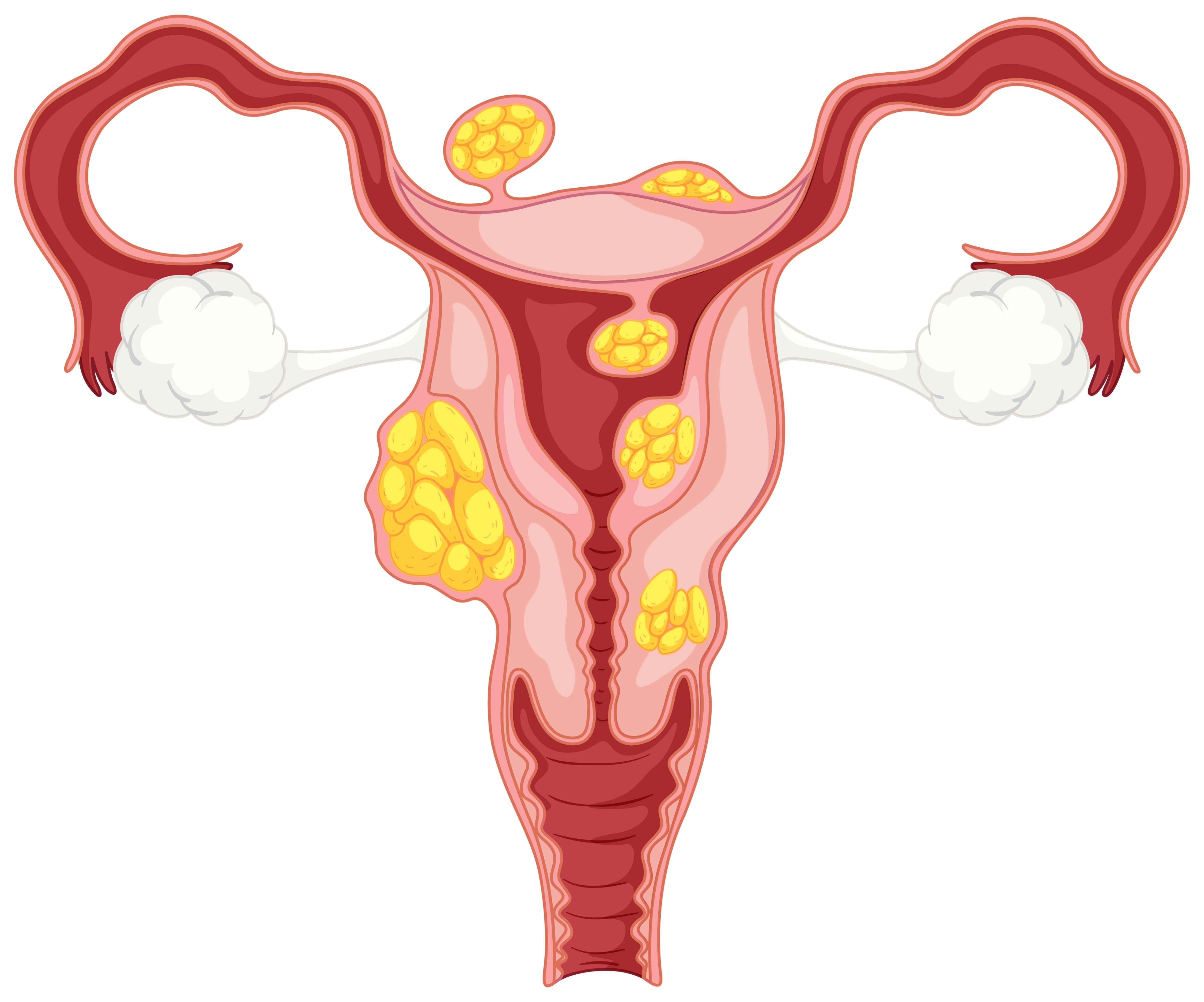
Fibroids are non-cancerous growths that develop within or on the uterus and affect millions of women of reproductive age. While many women with fibroids have uncomplicated pregnancies and deliveries, certain fibroids, particularly those that are large or embedded within the muscular wall of the uterus, can interfere with the uterus' ability to contract after childbirth. This condition, known as uterine atony, is one of the most common causes of postpartum haemorrhage.
During pregnancy, hormones such as oestrogen and progesterone may cause fibroids to enlarge. Depending on their size, number and location, fibroids can increase the likelihood of prolonged labour, fetal malpresentation, caesarean delivery and retained placenta. Each of these complications can also contribute to an increased risk of excessive bleeding after childbirth.
A 2024 systematic review and meta-analysis involving more than 237,000 pregnancies found that women with uterine fibroids were significantly more likely to experience postpartum haemorrhage, caesarean delivery, placenta previa, preterm birth and fetal malpresentation than women without fibroids. The analysis also showed that larger fibroids carried a greater risk of adverse maternal and neonatal outcomes (Wang et al., 2024).
According to Prof. Moses Obimbo, Project Lead of the End Postpartum Haemorrhage Initiative, understanding how fibroids affect the uterus helps healthcare providers prepare for safer births.
"Fibroids do not automatically mean a woman will experience complications during childbirth. Most women with fibroids deliver safely. However, because some fibroids can interfere with normal uterine contractions or make labour more complex, identifying them early allows healthcare providers to anticipate risks, develop individualized birth plans and ensure appropriate care is available when needed."
Large intramural fibroids, which grow within the muscular wall of the uterus, are particularly associated with reduced uterine contractility. When the uterus cannot contract firmly after delivery, the blood vessels that nourished the placenta remain open, allowing continued bleeding. Fibroids located near the placental implantation site may also increase the likelihood of retained placental tissue, another recognized contributor to postpartum haemorrhage.
Prof. Obimbo emphasises that preparedness remains the strongest defense against complications.
"Every woman with significant fibroids deserves a birth plan tailored to her individual needs. Delivering in a facility with skilled birth attendants, essential medicines, blood and blood products, and comprehensive emergency obstetric care ensures that, should excessive bleeding occur, treatment can begin immediately."
Routine antenatal care provides an opportunity to identify fibroids early, monitor their growth and assess whether they are likely to affect pregnancy or childbirth. Ultrasound examinations help clinicians evaluate fetal position, placental location and the relationship between fibroids and the birth canal, enabling informed decisions about the safest mode and place of delivery.
Although fibroids can increase the risk of postpartum haemorrhage, severe bleeding is not inevitable. Most women with fibroids experience healthy pregnancies and safe deliveries. Early diagnosis, regular antenatal monitoring and individualized birth planning help ensure that both mother and baby receive the right care at the right time.
References
Stewart, E. A., Cookson, C. L., Gandolfo, R. A., & Schulze-Rath, R. Epidemiology of uterine fibroids: A systematic review. BJOG: An International Journal of Obstetrics and Gynaecology. 2017.
Wang, Y., et al. The influence of uterine fibroids on adverse outcomes in pregnant women: A systematic review and meta-analysis. BMC Pregnancy and Childbirth. 2024.
World Health Organization. WHO recommendations for the prevention and treatment of postpartum haemorrhage. Geneva: World Health Organization. 2023.
Image by brgfx on Magnific</a>