By PPH Foundation
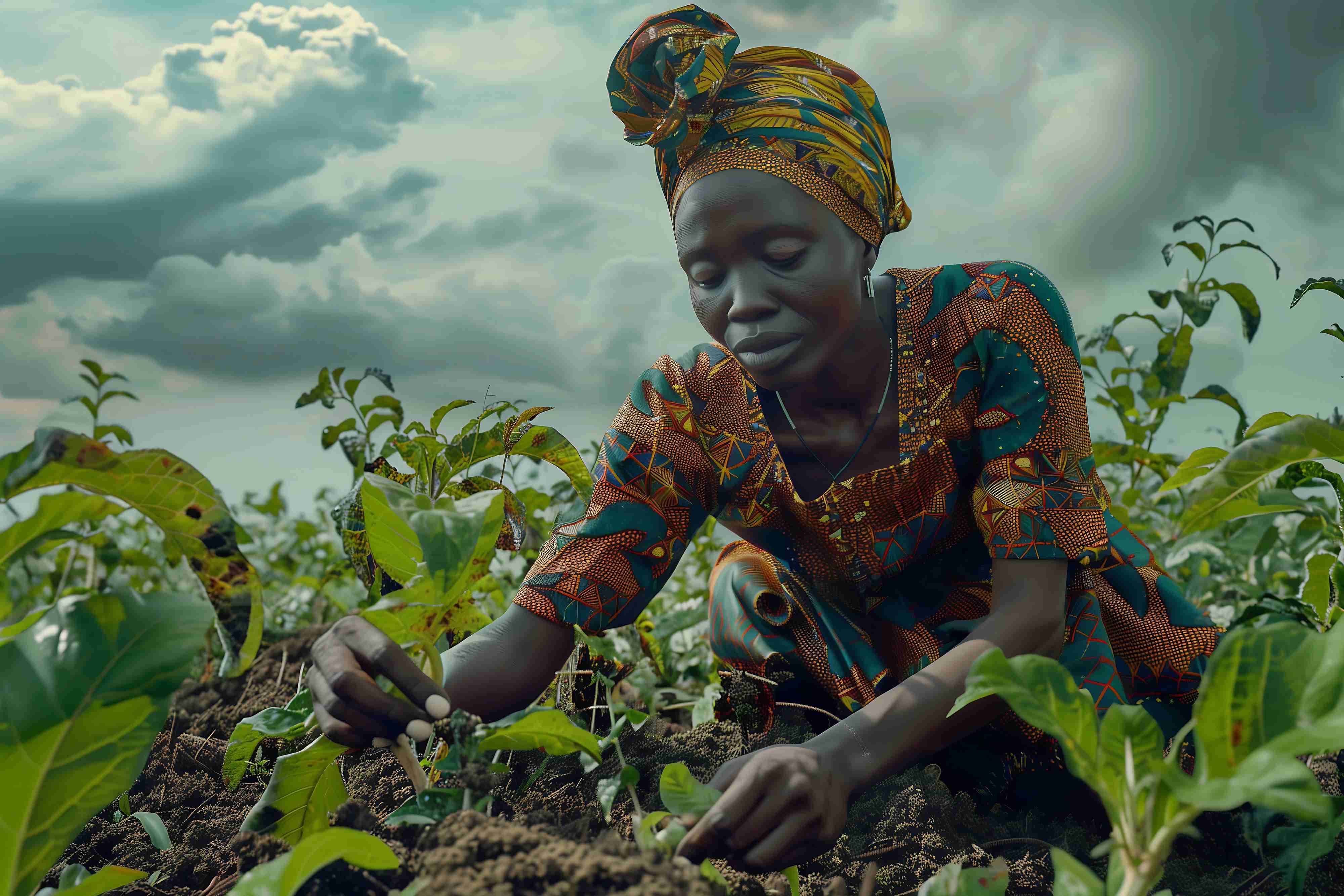
Across many rural communities in Africa and other low-resource settings, millions of pregnant women continue to perform physically demanding agricultural and domestic labour throughout pregnancy and shortly after childbirth. Maternal health experts are increasingly warning that these heavy workloads, now worsened by climate change, food insecurity, and economic hardship, are contributing to conditions linked to postpartum haemorrhage.
Recent evidence shows that prolonged physical labour during pregnancy contributes to dehydration, maternal exhaustion, anaemia, and delayed access to care, all of which can increase risks associated with severe bleeding during childbirth. Studies from Kenya, Zimbabwe, The Gambia, and Ghana further show that many women continue strenuous farming activities late into pregnancy due to poverty, gender expectations, and limited social support systems.
A 2026 study published in Social Science and Medicine examining pregnancy experiences during extreme heat in rural Zimbabwe found that climate change and heat exposure are worsening maternal vulnerability among women engaged in outdoor labour. Researchers observed that pregnant women often work in temperatures exceeding 41°C, exposing them to exhaustion, dehydration, and dangerous maternal health risks. Similar findings from Kilifi, Kenya, showed that many women continue heavy domestic and agricultural work despite experiencing heat-related illness and physical fatigue during pregnancy.
Research from Frontiers in Public Health focusing on pregnant women farmers in The Gambia further documented how heat exposure during farming activities worsens weakness, fatigue, and physical stress during pregnancy. Many women reported being unable to reduce workloads because agricultural labour remained essential for household survival.
Prof Julius Ogeng’o, Co-Lead of the End Postpartum Haemorrhage Initiative, says the intersection between climate change, women’s agricultural labour, and maternal health risks is becoming an urgent public health concern.
“Women farmers continue to carry enormous physical burdens during pregnancy, often under extreme heat and difficult working conditions. These pressures increase risks of dehydration, anaemia, exhaustion, and delayed access to care, all of which can worsen complications linked to postpartum haemorrhage. Maternal health interventions must now recognise the growing climate and labour dimensions affecting pregnant women,” says Prof Ogeng’o.
Maternal health experts continue to call for stronger climate-resilient health systems, improved nutrition support, better access to antenatal care, social protection programmes, and community awareness aimed at reducing excessive workloads during pregnancy and the postpartum period.
Sources
- Scorgie F, Lusambili A, Luchters S, et al. “Mothers get really exhausted!” The lived experience of pregnancy in extreme heat: Qualitative findings from Kilifi, Kenya. Social Science & Medicine. 2023;335:116223.
- Spencer S, Samateh T, Wabnitz K, Mayhew S, Allen H, Bonell A. The Challenges of Working in the Heat Whilst Pregnant: Insights From Gambian Women Farmers in the Face of Climate Change. Frontiers in Public Health. 2022;10:785254.
- Pregnancy, birth, and postpartum under heat strain: Visibilising lived experiences and coping practices of women in rural Zimbabwe through an adapted participatory Photovoice approach. Social Science & Medicine. 2026.
- Palosaari M, Autio A, Mbinga E, et al. The biased narrative of vulnerable women: gender analysis of smallholder farmers’ contextual vulnerability to climate change in the Taita Hills, Kenya. Mitigation and Adaptation Strategies for Global Change. 2024;29:51.
- Nchanji EB, Mutua M, Odhiambo C, et al. Deconstructing leisure time and workload: case of women bean producers in Kenya. Agriculture & Food Security. 2021;10:12.
- Luginaah I, Yiridoe EK, Taabazuing MM. Climate change, women’s workload in smallholder agriculture, and embodied political ecologies of undernutrition in northern Ghana. Health & Place. 2021;68:102536.
- Ziraba AK, Madise NJ, Mills S, et al. Women, poverty and adverse maternal outcomes in Nairobi, Kenya. BMC Women’s Health. 2010;10:33.