By PPH Foundation
Malaria during pregnancy remains a significant but often under-recognized contributor to postpartum haemorrhage, particularly in malaria-endemic regions. While commonly associated with fever and anaemia, malaria can directly increase the risk of excessive bleeding during and after childbirth, creating a dangerous pathway to maternal mortality.
When a pregnant woman contracts malaria, the infection destroys red blood cells, leading to severe anaemia, one of the strongest risk factors for postpartum haemorrhage. Reduced haemoglobin levels weaken the body’s ability to cope with blood loss during delivery. In addition, malaria affects placental function, increasing the risk of low birth weight, preterm delivery, and complications during labour, all of which are associated with higher chances of bleeding. In severe cases, malaria can also impair clotting mechanisms, further increasing the risk of haemorrhage.
Recent evidence reinforces this link. A 2023 study published in The Lancet Infectious Diseases highlights that malaria in pregnancy significantly contributes to maternal anaemia and adverse birth outcomes in sub-Saharan Africa. Similarly, research in BMC Medicine, 2024, shows that maternal infections, including malaria, are strongly associated with increased risk of severe maternal complications, including haemorrhage. The World Health Organization continues to emphasize malaria prevention in pregnancy as a critical intervention for reducing both maternal and neonatal mortality.
Prof Julius Ogeng’o, a Co-Lead of the End PPH Initiative explains that, “In malaria-endemic regions, preventing postpartum haemorrhage must include addressing infections such as malaria. When a woman enters labour already anaemic, even a small amount of bleeding can become life threatening. Prevention and early treatment are critical in safeguarding maternal survival.”
Evidence points to clear, effective solutions. Preventive care is the first line of defence. The World Health Organization recommends intermittent preventive treatment in pregnancy using sulfadoxine-pyrimethamine, alongside consistent use of insecticide-treated mosquito nets. These interventions significantly reduce malaria infection and its complications.
Early diagnosis and prompt treatment are equally essential. Routine screening during antenatal visits ensures infections are detected and managed before they progress to severe anaemia or complications during delivery.
Strengthening maternal health systems also plays a critical role. Ensuring access to skilled birth attendants, functional blood transfusion services, and emergency obstetric care can significantly reduce deaths from postpartum haemorrhage, especially in women already weakened by malaria.
Nutrition and supplementation further support prevention. Iron and folic acid supplementation help manage and prevent anaemia, improving a woman’s ability to withstand blood loss during childbirth.
As the world marks World Malaria Day, the message is clear, preventing malaria in pregnancy is not only about controlling infection, it is also a critical step in preventing postpartum haemorrhage. Integrating malaria prevention into maternal health care strengthens outcomes, saves lives, and brings us closer to ending preventable maternal deaths.
Sources
Desai M et al. Epidemiology and burden of malaria in pregnancy. The Lancet Infectious Diseases. 2023,23(4):e150–e161.
Chico RM et al. Intermittent preventive treatment of malaria in pregnancy. BMC Medicine. 2024,22:112.
World Health Organization. WHO guidelines for malaria in pregnancy. Geneva, WHO, 2023.
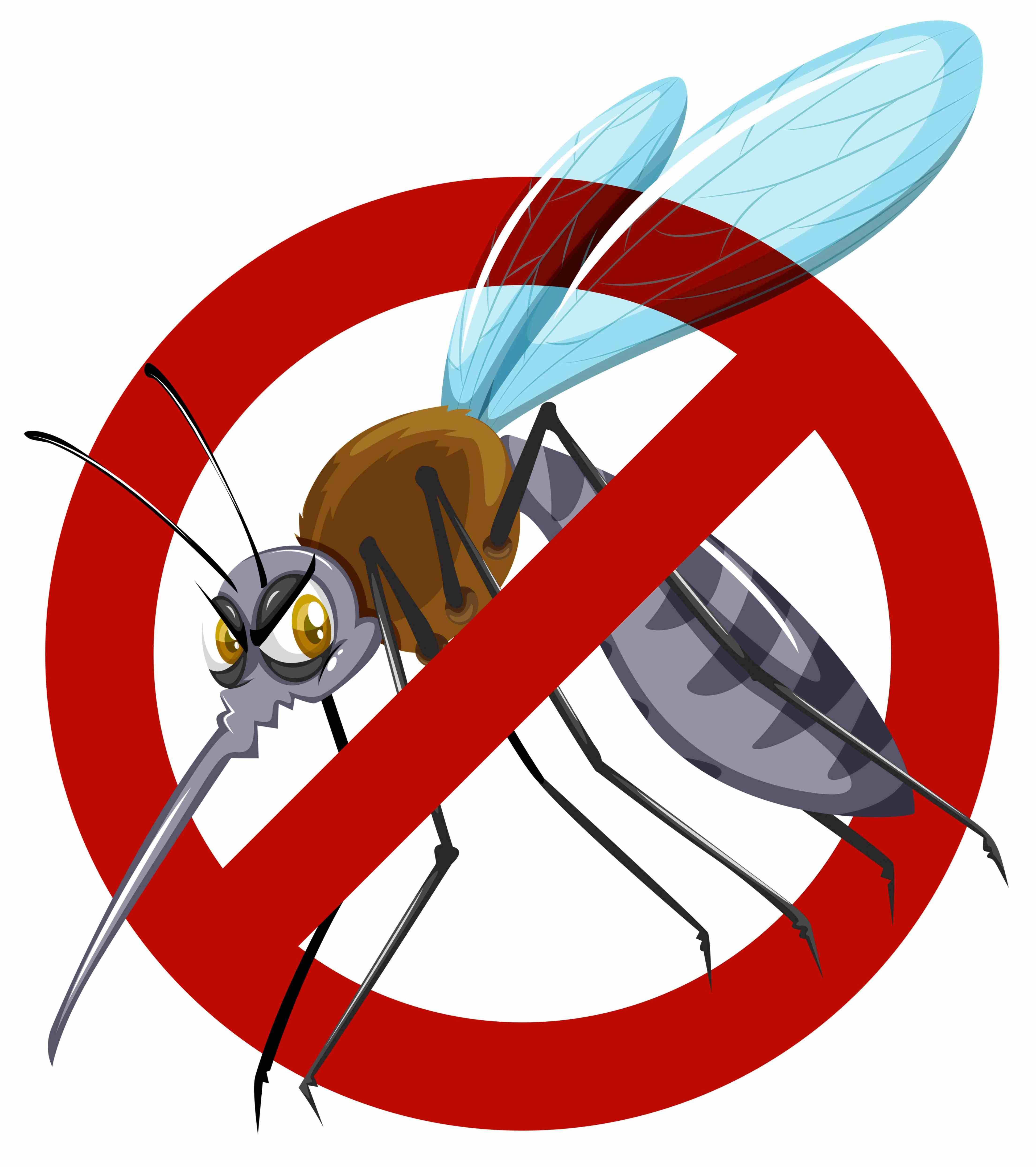
Image by brgfx on Freepik</a>