By PPH Foundation
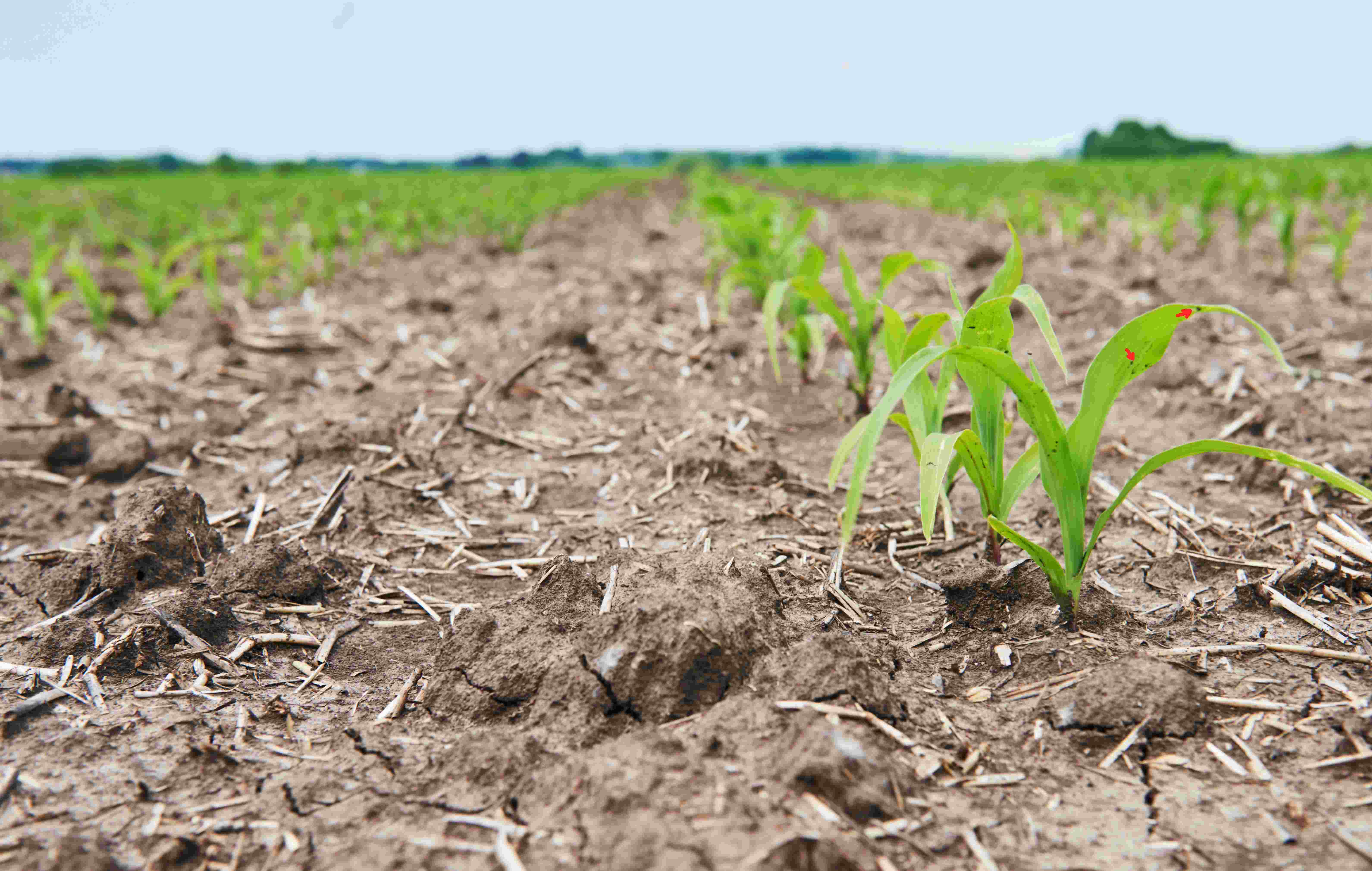
When discussing postpartum haemorrhage, attention often focuses on what happens in the delivery room. Yet one of the hidden pathways that may increase a woman's vulnerability to severe bleeding begins much earlier, beneath our feet. As soils lose essential nutrients through degradation, erosion and unsustainable farming practices, crops become less nutritious, increasing the risk of iron and zinc deficiencies among women of reproductive age. These deficiencies contribute to maternal anaemia, a condition that reduces a woman's ability to withstand blood loss during childbirth and can worsen the consequences of postpartum haemorrhage (FAO, 2022; World Health Organization, 2024).
Healthy soils provide the minerals that crops need to nourish people. However, decades of intensive cultivation, deforestation, climate change and poor land management have depleted many agricultural soils of essential micronutrients. Research shows that declining soil quality affects the nutritional value of staple crops, particularly in regions where communities rely heavily on locally grown foods and have limited dietary diversity (Jones et al., 2023).
Iron deficiency remains the leading cause of anaemia globally, affecting nearly four in every ten pregnant women. Zinc deficiency is also common in many low- and middle-income countries and has been associated with impaired immune function, poor fetal growth and adverse pregnancy outcomes. While several factors contribute to these deficiencies, declining soil fertility is increasingly recognized as part of the broader nutrition challenge (World Health Organization, 2024; Bailey et al., 2024).
Maternal anaemia is of particular concern because women who enter labour with low haemoglobin levels have less physiological reserve to cope with blood loss. Even moderate postpartum bleeding can become life-threatening when a mother is already anaemic, making prevention and treatment of anaemia an important strategy for reducing maternal deaths from PPH (World Health Organization, 2023).
According to Prof. Julius Ogengo, Co-Lead of the End Postpartum Haemorrhage Initiative, addressing maternal mortality requires looking beyond hospitals and recognising the broader environmental factors that shape women's health.
"Protecting mothers starts long before pregnancy and certainly long before labour. The health of our soils influences the nutritional quality of the foods we produce, and nutrition influences the health of women throughout their reproductive years. When soils are degraded, communities may harvest enough food to fill stomachs but not enough nutrients to support healthy pregnancies. This creates a silent pathway that can increase vulnerability to complications such as anaemia and postpartum haemorrhage."
He adds that improving maternal outcomes requires collaboration beyond the health sector.
"We cannot separate agriculture, environmental conservation and maternal health. Restoring soil fertility, promoting climate-smart agriculture, encouraging dietary diversity and strengthening maternal nutrition programmes are all investments in safer pregnancies. A healthy harvest is not only about food security. It is also about giving women the nutritional reserves they need to survive childbirth."
Experts recommend a combination of sustainable land management, soil restoration, crop diversification, biofortification, balanced fertilizer use, iron and folic acid supplementation during pregnancy, and improved maternal nutrition services to address these interconnected challenges. Together, these interventions support healthier soils, more nutritious diets and stronger maternal health outcomes (FAO, 2022; HarvestPlus, 2023).
As countries work to reduce preventable maternal deaths, protecting soil health should be recognized as part of the solution. The journey to preventing postpartum haemorrhage does not begin in the labour ward alone. It begins in healthy ecosystems that nourish healthy crops, healthy communities and, ultimately, healthy mothers.
References
Bailey, R. L., West, K. P., Black, R. E., et al. Global burden and determinants of zinc deficiency: Recent evidence and implications for maternal and child health. The Lancet Global Health. 2024.
Food and Agriculture Organization. The State of the World's Land and Water Resources for Food and Agriculture – Systems at Breaking Point. Rome: FAO; 2022.
HarvestPlus. Biofortification and Micronutrient Nutrition: Improving Diet Quality Through Agriculture. Washington, DC: HarvestPlus; 2023.
Jones, A. D., et al. Soil health, crop nutrient density and human nutrition: Emerging evidence linking agriculture and public health. Nature Food. 2023.
World Health Organization. WHO recommendations on the prevention and treatment of postpartum haemorrhage. Geneva: WHO; 2023.
World Health Organization. Anaemia in Women and Children: Global Estimates and Public Health Implications. Geneva: WHO; 2024.
Image by standret on Magnific</a>