By PPH Foundation
Across many low- and middle-income countries, unsafe self-medication during pregnancy is increasingly emerging as a major but under-recognized maternal health concern, with experts warning that inappropriate drug use may contribute to pregnancy complications linked to postpartum haemorrhage, maternal organ damage, delayed emergency care, and preventable maternal deaths.
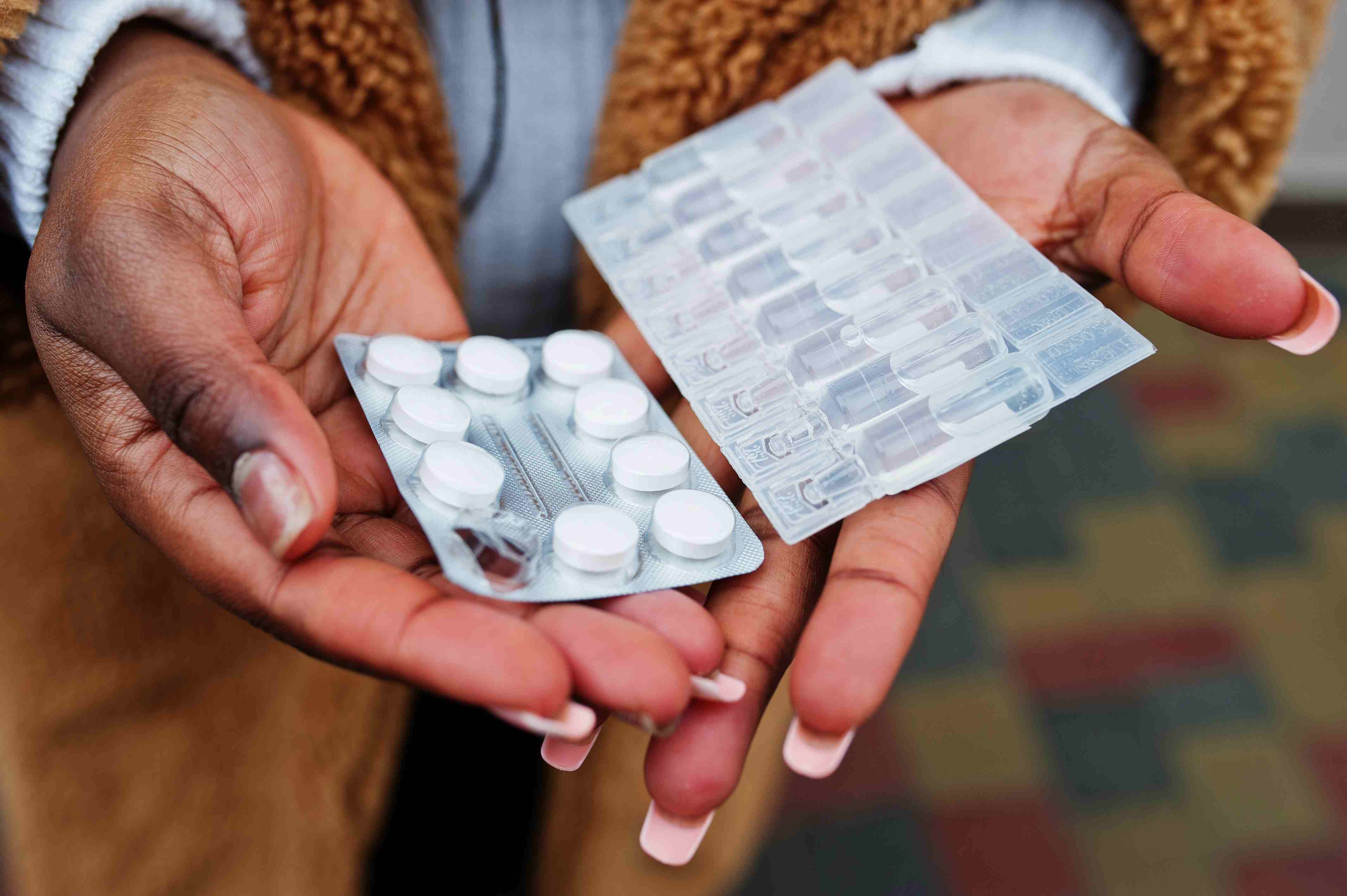
Studies continue to show that many pregnant women self-medicate using over-the-counter medicines, herbal products, painkillers, antibiotics, traditional remedies, and unregulated supplements without proper medical guidance. Researchers attribute this to limited healthcare access, financial barriers, misinformation, cultural beliefs, fear of stigma, and growing online health misinformation. While some medications may appear harmless, experts warn that unsupervised drug use during pregnancy can interfere with blood clotting, uterine function, blood pressure regulation, liver function, and fetal development, increasing risks during childbirth and postpartum recovery.
A 2025 systematic review published in BMC Pregnancy and Childbirth found that self-medication among pregnant women remains highly prevalent globally, with prevalence rates exceeding 60 percent in some low-resource settings. The study identified analgesics, antibiotics, herbal medicines, and anti-inflammatory drugs among the most commonly used substances during pregnancy without prescription oversight. Researchers warned that inappropriate medication use contributes to maternal complications, fetal risks, antimicrobial resistance, and delayed treatment-seeking behaviour.
Additional evidence published in Frontiers in Pharmacology in 2024 showed that several commonly self-administered drugs during pregnancy are associated with increased risks of hypertensive disorders, placental complications, miscarriage, fetal growth restriction, and bleeding abnormalities. Researchers further noted that herbal remedies frequently used in pregnancy often lack adequate safety evaluation, with some products linked to uterine contractions, liver toxicity, and dangerous interactions with prescribed medicines.
Recent African studies continue to raise concern about the growing use of herbal and traditional medicines during pregnancy. A 2024 review in BMJ Global Health found that between 30 and 80 percent of pregnant women in parts of sub-Saharan Africa reported using herbal preparations during pregnancy, often without disclosure to healthcare workers. Researchers warned that limited regulation and poor safety monitoring create significant risks for maternal emergencies, including severe bleeding and delayed obstetric intervention.
Prof Julius Ogeng’o, Co-Lead of the End Postpartum Haemorrhage Initiative, says unsafe self-medication remains an important but often overlooked contributor to maternal complications.
“Pregnancy changes how the body responds to medications and substances. Unsafe self-medication can increase risks of hypertension, liver injury, severe bleeding, delayed care, and complications associated with postpartum haemorrhage. Pregnant women should always seek guidance from qualified healthcare professionals before using any medicines or herbal products,” says Prof Ogeng’o.
The World Health Organization continues to emphasize that medication safety during pregnancy remains essential for protecting maternal and newborn health. WHO further warns that irrational medicine use contributes to adverse maternal outcomes, particularly in settings where health literacy, pharmaceutical regulation, and antenatal care access remain limited.
Health experts now continue to call for stronger public awareness on medicine safety in pregnancy, improved antenatal counselling, regulation of herbal products, pharmacist engagement, and expanded maternal healthcare access to reduce preventable complications linked to unsafe self-medication practices.
Sources
- World Health Organization. WHO Recommendations on Antenatal Care for a Positive Pregnancy Experience. Geneva: WHO; 2023.
- World Health Organization. Medication Safety in Pregnancy and Breastfeeding. Geneva: WHO; 2024.
- Abduelkarem AR, et al. Self-medication practices among pregnant women worldwide: a systematic review and meta-analysis. BMC Pregnancy and Childbirth. 2025;25:184.
- Tessema ZT, et al. Herbal medicine use during pregnancy in sub-Saharan Africa: prevalence and maternal health implications. BMJ Global Health. 2024;9:e014221.
- Alshammari TM, et al. Medication safety and self-medication practices during pregnancy: emerging maternal health concerns. Frontiers in Pharmacology. 2024;15:1367421.
- Kennedy DA, et al. Herbal medicine use in pregnancy: a review of safety and efficacy. Canadian Journal of Clinical Pharmacology. 2023;30(2):e45-e59.
- Beyene KGM, et al. Self-medication and associated factors among pregnant women attending antenatal care in low-resource settings: systematic review. PLOS ONE. 2024;19(3):e0298845.
- Image by ASphotofamily on Magnific</a>