By PPH Foundation
For a woman who survives postpartum haemorrhage (PPH), the end of heavy bleeding is not necessarily the end of the emergency. The blood may have stopped, but the body and mind may still be recovering from a major physical and emotional event. This is why care after PPH should extend beyond stabilizing the woman and preparing her for discharge.
Significant blood loss can leave a woman with postpartum anaemia, which may cause fatigue, weakness, dizziness and shortness of breath. These symptoms can make it harder to recover from childbirth, breastfeed, care for a newborn or resume normal activities. Evidence from a systematic review and meta-analysis found that postpartum anaemia was associated with poorer health-related quality of life, including increased fatigue and depressive symptoms, while iron replenishment improved fatigue and depression-related outcomes in some studies (Moya et al., 2022).
For women who have experienced PPH, recovery therefore requires attention to haemoglobin levels and the underlying cause of anaemia, alongside appropriate treatment and nutritional support. The World Health Organization recommends postpartum iron supplementation for 6–12 weeks in settings where gestational anaemia is a public health concern, while women diagnosed with anaemia should receive treatment according to national policy or WHO recommendations (WHO, 2022).
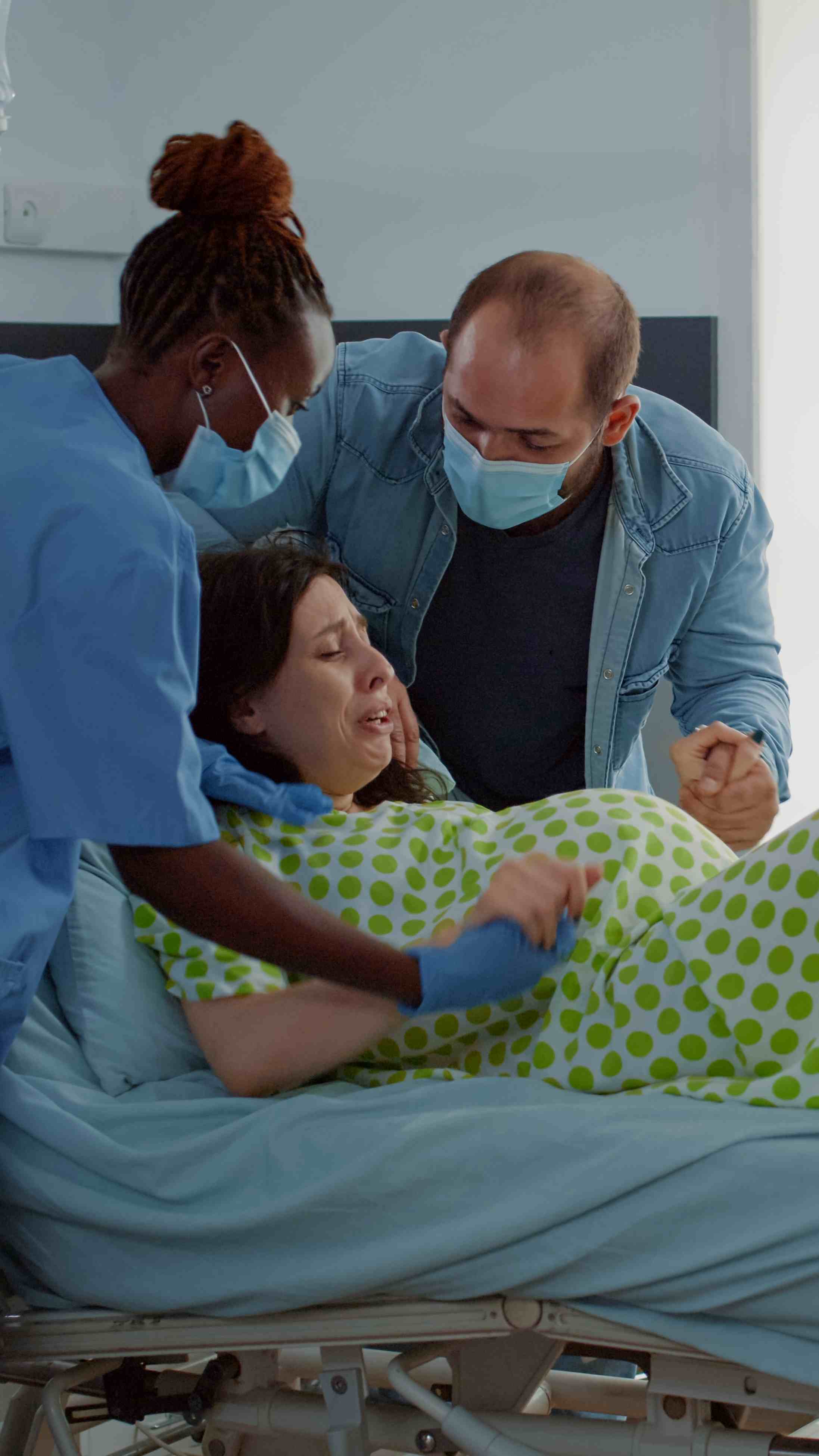
But recovery is not only physical. A severe haemorrhage can be frightening. A woman may remember being rushed for treatment, receiving blood, undergoing procedures or fearing that she might die. Research has found that women who experience PPH can face an increased risk of postnatal depression and post-traumatic stress disorder in the year following birth, highlighting the importance of monitoring mental health during follow-up (Parry-Smith et al., 2021).
The experience can also affect how a woman understands her birth and her confidence about future pregnancies. A qualitative study of women and birth partners following PPH found that women wanted more information after the emergency, including explanations about what had happened and information that could help them prepare for subsequent pregnancies (Dunning et al., 2016).
This makes counselling and communication an important part of recovery. Women should have an opportunity to understand why the haemorrhage occurred, what treatment they received, whether they developed anaemia or other complications, what warning signs to watch for and when they should return for care. Where appropriate, discussions should also address future pregnancies and any additional care that may be needed.
Prof Ann Beatrice Kihara, Co-Lead of the End Postpartum Haemorrhage Initiative, captures this broader approach to recovery: “Maternal health does not end at survival. When a woman experiences severe bleeding, recovery must be holistic, addressing both physical strength and emotional wellbeing to ensure she can fully care for her newborn.”
This approach is consistent with WHO's postnatal care guidance, which emphasises that quality care should continue after birth and should include assessment of a woman's physical and emotional wellbeing, information, reassurance and support. WHO recommends screening for postpartum depression and anxiety, with referral and management for women who screen positive. It also recommends continued assessment of symptoms such as fatigue and other concerns during postnatal contacts.
Follow-up is therefore not simply a routine appointment after discharge. For a woman who has experienced PPH, it is an opportunity to assess whether she is recovering physically, identify persistent anaemia, ask about emotional wellbeing, address concerns about breastfeeding and newborn care, and provide information about future pregnancies and when to seek help.
The PPH Foundation's message is increasingly important: saving a mother's life is the first priority, but the goal of maternal care should be more than survival. A woman should leave the health system with the support, information and care she needs to regain her strength, recover emotionally and confidently continue caring for herself and her baby.
References
Dunning, T., Harris, J. M., & Sandall, J. (2016). Women and their birth partners' experiences following a primary postpartum haemorrhage: A qualitative study. BMC Pregnancy and Childbirth, 16, 80.
Moya, E., et al. (2022). Effect of postpartum anaemia on maternal health-related quality of life: A systematic review and meta-analysis. BMC Public Health, 22.
Parry-Smith, W., et al. (2021). Postpartum haemorrhage and risk of mental ill health: A population-based cohort study. BJOG: An International Journal of Obstetrics & Gynaecology.
World Health Organization. (2022). WHO recommendations on maternal and newborn care for a positive postnatal experience. Geneva: World Health Organization.
World Health Organization. (2025). Consolidated guidelines for the prevention, diagnosis and treatment of postpartum haemorrhage. Geneva: World Health Organization.
Image by DC Studio on Magnific</a>